
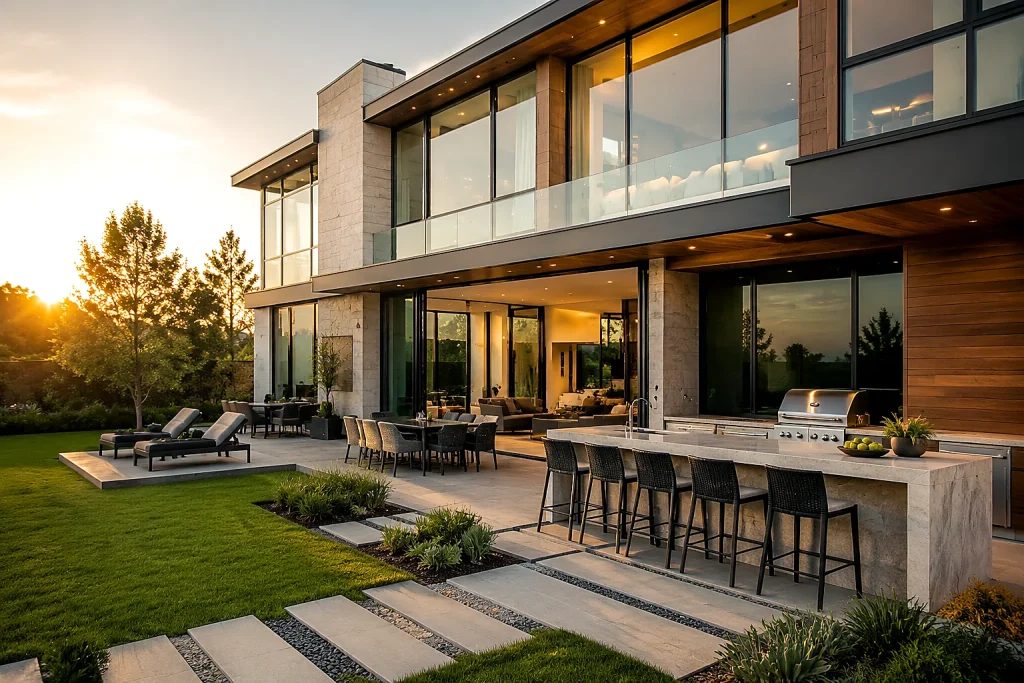
For Sarah, a Plano resident dreaming of a bespoke living space, the journey to a custom luxury home building project often begins with a clear vision but unclear steps. She'd explored countless online galleries and even consulted a few architects, yet the friction remained: how…
- Luxury home building in the Plano and DFW market transcends mere size or cost; it embodies a commitment to unparalleled quality, bespoke design, and advanced functionality.
- The journey of creating a custom luxury home is a meticulously planned endeavor, typically unfolding in distinct phases, each critical to the final outcome.
- The true essence of custom luxury home building in Plano and DFW lies in its capacity to elevate daily living into an art form.
- A custom luxury home building project in Plano and DFW typically takes between 12 to 24 months from initial concept to final completion.
The Ultimate Guide to Custom Luxury Home Design in Plano & DFW: From Concept to Completion with Nova Star Remodeling
For Sarah, a Plano resident dreaming of a bespoke living space, the journey to a custom luxury home building project often begins with a clear vision but unclear steps. She’d explored countless online galleries and even consulted a few architects, yet the friction remained: how does one translate abstract desires into a tangible, high-end residence that truly reflects a unique lifestyle? The process of custom luxury home building in Plano and the broader DFW area typically involves a structured, multi-phase approach: initial concept development, detailed architectural design, meticulous material selection, precise construction, and final interior finishing. This comprehensive journey ensures every detail, from foundation to rooftop, aligns with the homeowner’s specific aesthetic and functional requirements, often taking 12 to 24 months depending on complexity and scale.
What Defines Luxury Home Building in Plano & DFW?
Luxury home building in the Plano and DFW market transcends mere size or cost; it embodies a commitment to unparalleled quality, bespoke design, and advanced functionality. Unlike standard construction, a luxury home is characterized by its unique architectural vision, often incorporating custom-engineered solutions and high-end materials sourced globally. For instance, a typical luxury kitchen might feature professional-grade Sub-Zero and Wolf appliances, custom-milled cabinetry from local artisans, and countertops crafted from rare Italian marble or Brazilian quartzite. These elements are not merely expensive; they are chosen for their durability, aesthetic appeal, and contribution to a cohesive design narrative. In our experience at Nova Star Remodeling, clients seeking luxury often prioritize seamless indoor-outdoor living, integrating expansive glass walls, automated shading systems, and sophisticated outdoor kitchens that extend the living space into the meticulously landscaped grounds.
The distinction also lies in the level of customization and attention to detail. Every aspect of a luxury home, from the layout of the electrical outlets to the precise shade of paint on the trim, is intentionally selected and often custom-fabricated. Consider a master bathroom designed with a zero-entry shower, heated floors, a freestanding soaking tub by Kohler, and smart mirrors that display weather updates. These features are not standard upgrades but integral components of a personalized sanctuary. Furthermore, luxury homes in DFW frequently incorporate smart home technology, allowing homeowners to control lighting, climate, security, and entertainment systems from a single interface. According to a 2023 report by the National Association of Home Builders, smart home technology adoption in luxury builds has increased by over 30% in the last five years, reflecting a growing demand for integrated convenience and efficiency.
Beyond the tangible, luxury home building also encompasses an elevated client experience. This includes comprehensive project management, transparent communication, and a collaborative design process that ensures the homeowner’s vision is realized without compromise. For example, a project might involve weekly on-site meetings with the architect, interior designer, and construction manager to review progress and make real-time adjustments. This level of engagement is crucial for complex projects, where even minor changes can have significant ripple effects. The goal is to deliver a home that not only meets but exceeds expectations, providing a living environment that is both beautiful and perfectly tailored to the occupants’ lifestyle. This often means working with specialized tradespeople who possess unique skills, such as custom millworkers or artisans specializing in Venetian plaster, ensuring every finish is executed to the highest possible standard.
The Phases of Custom Luxury Home Construction
The journey of creating a custom luxury home is a meticulously planned endeavor, typically unfolding in distinct phases, each critical to the final outcome. This structured approach ensures that every element, from the initial spark of an idea to the final polished surface, is executed with precision and aligns perfectly with the homeowner’s aspirations. Understanding these phases provides clarity and sets realistic expectations for the timeline and involvement required.
The process generally commences with an in-depth consultation and concept development. This initial stage involves extensive discussions to understand the client’s lifestyle, aesthetic preferences, functional needs, and budget parameters. For instance, a family with young children might prioritize open-plan living areas and durable, easy-to-maintain finishes, while empty nesters might focus on sophisticated entertaining spaces and a luxurious master suite. This phase often includes site analysis, where the unique characteristics of the chosen plot – such as orientation, views, and topography – are considered to optimize the home’s design and maximize natural light and energy efficiency. Preliminary sketches and mood boards are often developed to visualize the core design direction and ensure alignment between the client’s vision and the design team’s interpretation.
Following concept approval, the project transitions into detailed architectural design and engineering. This is where the conceptual ideas are translated into comprehensive blueprints and technical specifications. Architects develop floor plans, elevations, and 3D renderings, meticulously detailing every room, structural element, and exterior feature. Simultaneously, structural engineers calculate load-bearing requirements, foundation specifications, and material strengths to ensure the home’s integrity and safety. Mechanical, electrical, and plumbing (MEP) engineers design the intricate systems that will power, heat, cool, and provide water to the residence, often incorporating advanced energy-efficient solutions like geothermal heating or solar panels. This phase is highly iterative, involving frequent client reviews and revisions to refine the design until it perfectly meets all functional and aesthetic criteria.
Once the architectural and engineering plans are finalized and approved, the focus shifts to material selection and interior design. This stage is crucial for defining the home’s character and ensuring a cohesive aesthetic. Clients work closely with interior designers to select everything from flooring and wall coverings to lighting fixtures, cabinetry, and plumbing fixtures. This often involves visiting showrooms, reviewing samples, and making decisions on a vast array of finishes and fittings. For example, a client might choose wide-plank European oak flooring for living areas, custom-designed mosaic tiles for a powder room, and bespoke ironwork for a grand staircase. The goal is to select materials that not only look exquisite but also perform well and contribute to the home’s overall luxury feel and durability. This phase also includes the specification of smart home technologies, security systems, and integrated audio-visual components.
With all designs and selections complete, the project moves into the construction phase. This is the longest and most visible part of the process, involving site preparation, foundation pouring, framing, roofing, and the installation of all mechanical, electrical, and plumbing systems. Skilled tradespeople, often specialists in their respective fields, meticulously execute each component according to the approved plans. Regular site inspections by the project manager, architect, and client ensure that construction adheres to the highest standards of quality and safety. As the structure takes shape, interior finishes are applied, including drywall, painting, cabinetry installation, and the laying of flooring. This phase culminates in the installation of fixtures, appliances, and final landscaping, transforming the raw structure into a habitable, luxurious residence.
The final phase is interior finishing and handover. This involves the meticulous installation of all remaining decorative elements, such as custom window treatments, built-in shelving, and specialized lighting. A thorough quality inspection is conducted to identify and rectify any imperfections, ensuring every detail meets the exacting standards of luxury. This often includes a detailed walkthrough with the homeowner to familiarize them with all systems and features of their new residence. Once all final touches are complete and the home is deemed perfect, the keys are handed over, marking the successful completion of the custom luxury home building journey. This comprehensive approach ensures that the finished home is not just a structure, but a personalized sanctuary that embodies the homeowner’s unique vision and lifestyle.
Elevating Your Lifestyle Through Bespoke Design
The true essence of custom luxury home building in Plano and DFW lies in its capacity to elevate daily living into an art form. It’s about crafting environments that not only meet but anticipate the needs and desires of their inhabitants. Consider the integration of a dedicated home wellness center, complete with a private yoga studio, a sauna, and a cold plunge pool, a feature increasingly requested by discerning clients. This goes beyond mere aesthetics, focusing on holistic well-being and convenience. Another example is the creation of a soundproofed home theater, meticulously designed with acoustically treated walls, tiered seating, and a state-of-the-art projection system, offering an unparalleled cinematic experience within the comfort of one’s own residence. These specialized spaces are not off-the-shelf additions; they are custom-engineered solutions that require expert planning and execution, often involving specialists in acoustics, lighting, and smart home integration. According to a 2023 survey by the American Institute of Architects, demand for dedicated wellness spaces and advanced home entertainment rooms in luxury builds has seen a year-over-year increase of 15% and 12% respectively, highlighting a shift towards homes that cater to specific lifestyle pursuits.
Furthermore, the bespoke nature of luxury home design extends to sustainability and energy efficiency, often incorporating advanced green building practices. This might involve the installation of high-performance insulation, low-emissivity windows, and sophisticated HVAC systems with zone control, significantly reducing the home’s environmental footprint and operational costs. For instance, a luxury home in Plano might feature a rainwater harvesting system for irrigation, or a greywater recycling system for non-potable uses, demonstrating a commitment to ecological responsibility without compromising on luxury. These sustainable features are often seamlessly integrated into the home’s design, becoming invisible yet highly effective components of its overall functionality. The U.S. Green Building Council reported that LEED-certified luxury homes command a premium of up to 10% in the market, reflecting the growing value placed on eco-conscious living. This commitment to sustainability is not just about compliance; it’s about creating a healthier living environment and ensuring long-term value for the homeowner.
Ultimately, a custom luxury home is a legacy, a reflection of personal taste and a sanctuary designed for generations. It’s a space where every material, every finish, and every technological integration is chosen with deliberate intent and executed with unparalleled craftsmanship. From the initial conceptual sketches to the final landscaping, the entire process is a collaborative journey, ensuring the finished residence is a true masterpiece. This includes the selection of unique art installations, custom-built furniture, and curated decor that harmonizes with the architectural style and the homeowner’s personal collection. The result is a home that is not only visually stunning but also deeply personal and profoundly functional, offering an unmatched living experience. It’s about creating a space that tells a story, a narrative woven into the very fabric of the home, making it a truly unique and irreplaceable asset.
Bottom Line: Custom luxury home building in Plano and DFW is a multi-phase, highly personalized process that transcends standard construction, focusing on bespoke design, unparalleled quality, advanced functionality, and an elevated client experience to create a unique, tailored living environment.
Frequently Asked Questions
How long does a custom luxury home building project typically take?
A custom luxury home building project in Plano and DFW typically takes between 12 to 24 months from initial concept to final completion. The exact duration depends on the complexity of the design, the scale of the home, and the specific materials and features chosen by the homeowner.
What defines a luxury home compared to a standard build?
Luxury homes are distinguished by unparalleled quality, bespoke architectural design, custom-engineered solutions, high-end global materials, and advanced integrated technology. Every detail is intentionally selected and often custom-fabricated, focusing on personalized functionality and aesthetic excellence.
What are the key phases of custom luxury home construction?
The key phases include initial concept development, detailed architectural design and engineering, meticulous material selection and interior design, precise construction, and final interior finishing and handover. Each phase involves close collaboration with the homeowner to ensure their vision is realized.
Are smart home technologies common in luxury builds?
Yes, smart home technologies are a prevalent feature in luxury home building in DFW. Homeowners frequently integrate systems for controlling lighting, climate, security, and entertainment from a single interface, reflecting a high demand for convenience, efficiency, and advanced functionality.
How does sustainability factor into luxury home design?
Sustainability is increasingly integrated into luxury home design through high-performance insulation, low-emissivity windows, advanced HVAC systems, and sometimes rainwater harvesting or greywater recycling. These features enhance energy efficiency, reduce environmental impact, and contribute to a healthier living environment.