
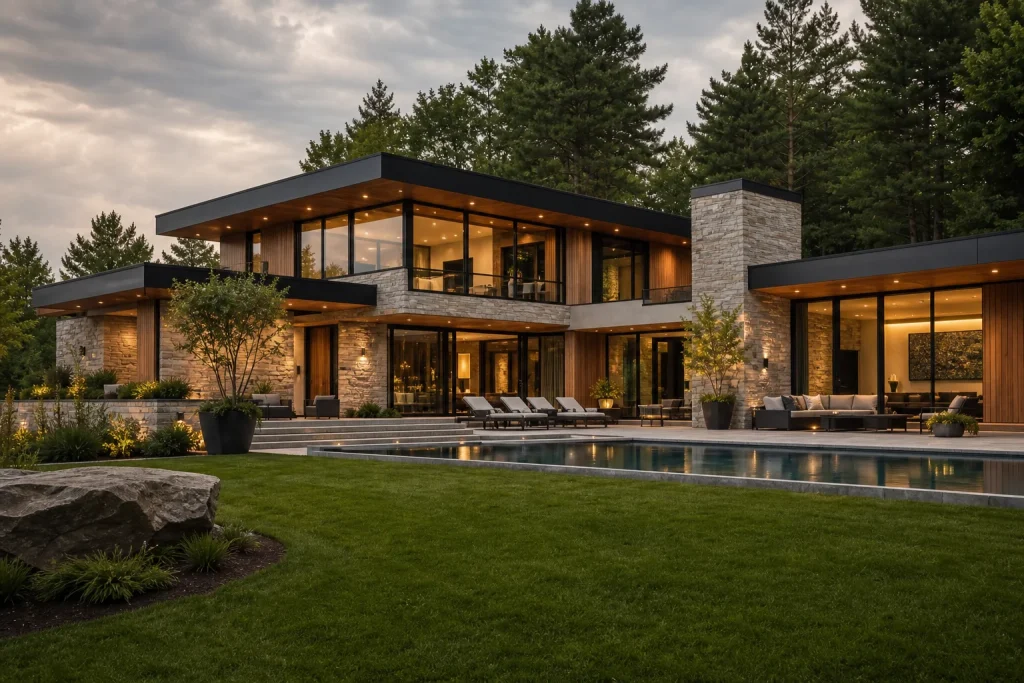
Choosing the right architectural style for your luxury home building project involves a thoughtful balance between contemporary aesthetics and enduring design principles. For Sarah and Mark, a couple in Plano, TX, who had previously attempted to blend too many disparate styles, the key was to…
- Before delving into specific architectural styles, it's crucial to establish a foundational understanding of your personal aesthetic.
- Traditional architecture encompasses a rich tapestry of historical styles, each with its unique characteristics.
- Embarking on a luxury home building project requires careful planning and a clear vision.
- To ensure timelessness, focus on foundational architectural styles, high-quality and durable materials that age gracefully, and thoughtful integration of modern technologies that enhance functionality without dominating the aesthetic.
How to Choose the Right Architectural Style for Your Luxury Home When Balancing Modernity and Timeless Appeal
Choosing the right architectural style for your luxury home building project involves a thoughtful balance between contemporary aesthetics and enduring design principles. For Sarah and Mark, a couple in Plano, TX, who had previously attempted to blend too many disparate styles, the key was to identify a primary architectural language that resonated with their lifestyle while incorporating modern elements through materials and smart home technology. The most effective approach is to first define your core aesthetic preference—be it traditional, modern, or transitional—and then explore how specific styles within that category can be adapted to achieve both a fresh look and lasting appeal. This often means selecting a foundational style like Modern Farmhouse or Contemporary, and then carefully integrating timeless materials such as natural stone or classic wood finishes, alongside cutting-edge features like energy-efficient windows or integrated smart home systems, ensuring the home remains relevant and valuable for decades.
DEFINING YOUR CORE AESTHETIC PREFERENCE
Before delving into specific architectural styles, it’s crucial to establish a foundational understanding of your personal aesthetic. This involves introspection about what truly resonates with you and your family. Consider the feelings evoked by different environments: do you prefer the clean lines and open spaces of a minimalist design, or the intricate details and rich textures of a more traditional setting? A helpful exercise is to gather visual inspiration from various sources—magazines, online galleries, or even local architecture. Pay attention to recurring themes in the images you gravitate towards. This initial exploration helps to categorize your preference into broad categories: traditional, modern, or transitional.
For instance, a homeowner who consistently finds themselves drawn to images of homes with gabled roofs, symmetrical facades, and classic window grids likely leans towards a traditional aesthetic. Conversely, someone who prefers expansive glass walls, flat roofs, and an absence of ornamentation is probably aligned with modern design. The transitional category offers a middle ground, blending elements from both, often characterized by simplified traditional forms or softened modern lines. Understanding this core preference acts as a compass, guiding subsequent decisions and preventing the common pitfall of attempting to force disparate styles together, which can lead to a disjointed final product.
EXPLORING SPECIFIC STYLES WITHIN EACH CATEGORY
TRADITIONAL STYLES WITH MODERN ADAPTATIONS
Traditional architecture encompasses a rich tapestry of historical styles, each with its unique characteristics. Styles like Colonial Revival, Georgian, or Tudor offer a sense of grandeur and established elegance. When adapting these for a luxury home today, the goal is to preserve their inherent charm while integrating contemporary comforts and efficiencies. For example, a Colonial Revival home can maintain its classic symmetrical facade and brick exterior, but incorporate larger, energy-efficient windows that flood interiors with natural light, a hallmark of modern living. Interior layouts can be opened up to create more fluid living spaces, moving away from the rigid room divisions of historical precedents.
Another excellent example is the French Country style, known for its rustic charm, stone or stucco exteriors, and steeply pitched roofs. To modernize this, one might opt for a more refined stone selection, larger expanses of glass in strategic locations to connect with outdoor living areas, and a simplified color palette. The interior could feature exposed wooden beams, a traditional element, but paired with sleek, contemporary furnishings and state-of-the-art kitchen appliances. The key is to identify the defining features of the traditional style and then thoughtfully introduce modern materials, technologies, and spatial arrangements without compromising the style’s integrity.
MODERN STYLES WITH TIMELESS APPEAL
Modern architecture, often characterized by its emphasis on functionality, clean lines, and open floor plans, can also achieve timelessness. Styles such as Mid-Century Modern, Contemporary, or even minimalist designs, while rooted in innovation, can avoid feeling dated by focusing on quality materials and thoughtful execution. A Contemporary home, for instance, might feature large cantilevers and expansive glass, but its enduring appeal comes from the use of natural materials like concrete, steel, and wood, which age gracefully. The integration of smart home technology is seamless, often hidden from view, allowing the architecture itself to remain the focal point.
The Modern Farmhouse, a particularly popular style, exemplifies how modern sensibilities can be infused with classic elements. It typically features a simple, often symmetrical form, reminiscent of traditional farmhouses, but with modern interpretations like large black-framed windows, vertical shiplap siding, and open-concept interiors. The timelessness here is achieved through a focus on natural light, connection to the outdoors, and a palette of neutral colors that allow the architecture and landscape to shine. The use of durable, low-maintenance materials further contributes to its lasting appeal, ensuring the home remains beautiful and functional for generations.
The choice between modern and traditional styles, or a blend of both, ultimately hinges on personal preference and how you envision living in your luxury home. For a couple like Sarah and Mark, who initially struggled with stylistic coherence, understanding that a modern farmhouse could offer the clean lines they admired while retaining the warmth of a traditional home was a breakthrough. This approach allowed them to integrate smart home technology seamlessly, enhancing convenience without detracting from the home’s aesthetic. For instance, automated lighting systems can be programmed to highlight architectural features or artwork, while integrated climate control ensures optimal comfort and energy efficiency, all managed discreetly. The key is to ensure that every modern addition serves to elevate the chosen architectural style, rather than compete with it, creating a cohesive and truly timeless residence.
Ultimately, the most successful luxury home building projects are those that reflect the homeowner’s personality and lifestyle while also considering the property’s context and future value. A well-executed design, whether it leans traditional, modern, or transitional, will always prioritize quality craftsmanship, durable materials, and thoughtful spatial planning. This ensures that the home not only looks stunning upon completion but also functions beautifully and maintains its appeal for generations. For example, investing in high-performance insulation and advanced HVAC systems, while not immediately visible, significantly contributes to the home’s long-term comfort and operational efficiency, reducing energy consumption by up to 30% compared to older homes. This blend of aesthetic vision and practical foresight is what truly defines a timeless luxury home.
Crafting Your Vision: Next Steps for Your Luxury Home Building Journey
Embarking on a luxury home building project requires careful planning and a clear vision. Once you have a foundational understanding of your preferred architectural style, the next crucial step is to translate that vision into a tangible design. This involves collaborating with experienced architects and designers who specialize in luxury residences. They can help refine your aesthetic preferences, ensuring that the chosen style aligns with your lifestyle, the local climate, and the specific characteristics of your building site. For instance, if you’re drawn to a Mediterranean style, an architect can advise on how to adapt its characteristic stucco finishes and terracotta roofs to perform optimally in a region with heavy rainfall, perhaps suggesting modern drainage solutions or alternative roofing materials that mimic the traditional look but offer superior durability. This expert guidance is invaluable in navigating the complexities of design and construction, ensuring that your luxury home is both beautiful and functional.
Another vital aspect is the selection of materials and finishes. These choices play a significant role in defining the home’s character and contributing to its timeless appeal. Whether you opt for the rustic elegance of reclaimed wood, the sleek sophistication of polished concrete, or the classic charm of natural stone, each material should be chosen for its quality, durability, and ability to complement the overall architectural style. Consider how these materials will age over time; natural materials often develop a beautiful patina, enhancing the home’s character, while synthetic alternatives might require more frequent updates to maintain a contemporary look. For example, a luxury home designed with a focus on sustainability might incorporate locally sourced timber and recycled glass, not only reducing its environmental footprint but also adding unique textures and stories to the structure. Engaging with material specialists and visiting showrooms can provide inspiration and practical insights into the vast array of options available, helping you make informed decisions that will stand the test of time.
Finally, consider how smart home technology can be integrated to enhance comfort, security, and efficiency without compromising the aesthetic integrity of your luxury home. Modern systems can be seamlessly woven into the fabric of the house, with controls often hidden or designed to blend with the interior decor. From advanced climate control and automated lighting to sophisticated security systems and integrated entertainment, these technologies offer unparalleled convenience and can significantly improve your quality of life. For example, a fully integrated smart home system can learn your daily routines, adjusting lighting, temperature, and even window shades to optimize comfort and energy usage throughout the day, potentially reducing energy costs by 10-15% annually. Discussing these possibilities early with your architect and technology integrators ensures that the necessary infrastructure is incorporated into the design from the outset, avoiding costly retrofits later and guaranteeing a truly modern and timeless luxury home.
Bottom Line: Choosing the right architectural style for your luxury home involves balancing personal aesthetic preferences with timeless design principles, ensuring the integration of modern elements enhances rather than detracts from the core style for lasting appeal and value.
Frequently Asked Questions
How can I ensure my luxury home remains relevant over time?
To ensure timelessness, focus on foundational architectural styles, high-quality and durable materials that age gracefully, and thoughtful integration of modern technologies that enhance functionality without dominating the aesthetic. Prioritize classic proportions and natural light.
What is the difference between modern and contemporary architectural styles?
Modern architecture refers to a specific period (early to mid-20th century) emphasizing clean lines, functionality, and a rejection of ornamentation. Contemporary architecture is an umbrella term for current styles, often incorporating elements from various periods, including modernism, but is not bound by its strict principles.
Should I prioritize aesthetics or functionality in my luxury home design?
For a luxury home, neither should be prioritized over the other; the goal is to achieve a harmonious balance. A well-designed luxury home seamlessly integrates stunning aesthetics with superior functionality, ensuring both beauty and practical living for its occupants.