
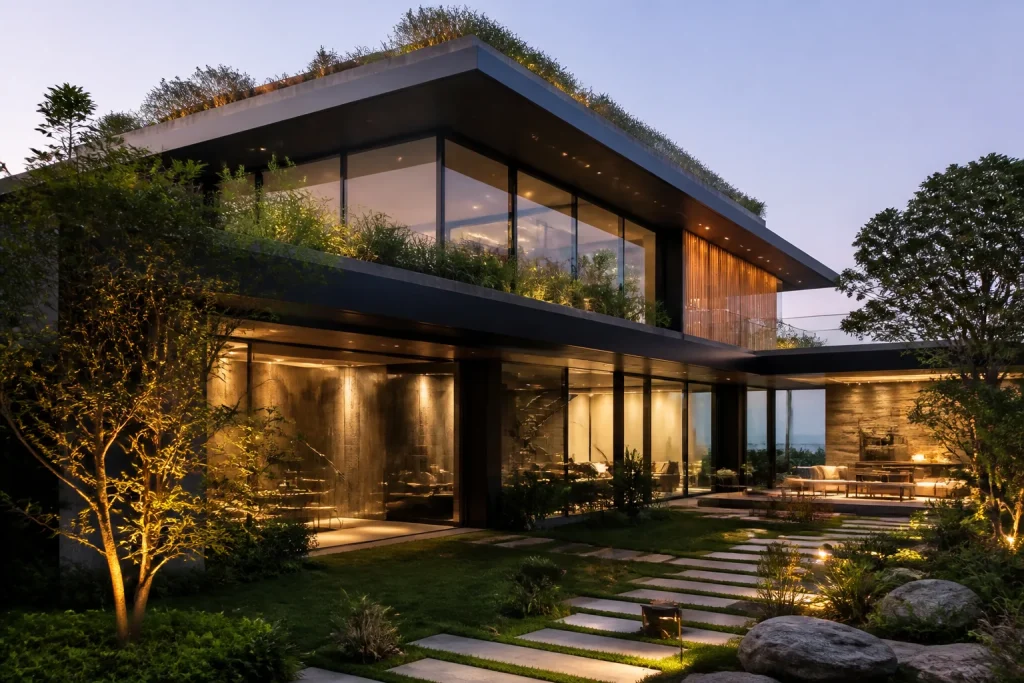
Cutting-edge architectural design in luxury home building integrates advanced technologies, sustainable practices, and innovative aesthetics to create residences that are both visually stunning and highly functional. This involves a holistic approach, encompassing smart home automation, energy-efficient materials like triple-pane glass and reclaimed wood, and biophilic…
- The seamless integration of smart home technologies is a cornerstone of cutting-edge luxury residential design.
- Modern luxury homes are increasingly designed with a strong emphasis on sustainability and resilience, extending beyond basic energy efficiency.
- Embarking on the journey of designing a cutting-edge luxury home involves a collaborative process that translates aspirations into tangible architectural marvels.
- Key components include a centralized control hub for lighting, climate, security, and entertainment, often with predictive analytics.
The Ultimate Guide to Cutting-Edge Architectural Design in Luxury Home Building
Cutting-edge architectural design in luxury home building integrates advanced technologies, sustainable practices, and innovative aesthetics to create residences that are both visually stunning and highly functional. This involves a holistic approach, encompassing smart home automation, energy-efficient materials like triple-pane glass and reclaimed wood, and biophilic design principles that connect occupants with nature. For example, a modern luxury home might feature a geothermal heating and cooling system, a living green roof, and expansive glass walls that blur the lines between indoor and outdoor spaces, all while being controlled by an integrated smart home system accessible via a single interface. These elements collectively define the pinnacle of contemporary residential architecture, offering unparalleled comfort, efficiency, and a distinctive lifestyle for discerning homeowners in areas like Plano, TX, and the broader DFW region.
INTEGRATING SMART HOME TECHNOLOGIES luxury home building
The seamless integration of smart home technologies is a cornerstone of cutting-edge luxury residential design. Beyond simple remote control, these systems create an intuitive living environment that anticipates needs and optimizes performance. This involves a centralized control hub, often a tablet or voice-activated interface, that manages everything from lighting and climate to security and entertainment. For instance, a homeowner can program a “welcome home” scene that automatically adjusts the thermostat, turns on specific lights, and plays background music as they approach their property, all without manual input.
Advanced smart home systems also incorporate predictive analytics and machine learning. They learn occupant preferences over time, fine-tuning settings for optimal comfort and energy efficiency. Consider a scenario where the system observes a pattern of increased energy consumption during peak afternoon sun. It might then automatically deploy motorized shades or adjust window tinting to mitigate heat gain, reducing the load on the HVAC system. This level of intelligent automation not only enhances convenience but also contributes significantly to the home’s overall sustainability profile and operational cost savings.
SUSTAINABLE AND RESILIENT DESIGN PRINCIPLES
Modern luxury homes are increasingly designed with a strong emphasis on sustainability and resilience, extending beyond basic energy efficiency. This includes the selection of materials with low embodied energy, such as locally sourced stone or recycled steel, and construction techniques that minimize waste. Water conservation is another critical aspect, often featuring rainwater harvesting systems for irrigation, low-flow fixtures, and greywater recycling for non-potable uses. A home in a drought-prone region, for example, might integrate a sophisticated system that collects and filters rainwater from the roof, storing it in an underground cistern for landscape watering, significantly reducing reliance on municipal water supplies.
Resilience in design addresses the ability of a home to withstand environmental challenges and adapt to changing conditions. This can involve structural enhancements to resist extreme weather events, such as hurricane-rated windows or reinforced foundations in seismic zones. Furthermore, passive design strategies play a crucial role, utilizing natural ventilation, daylighting, and thermal mass to maintain comfortable indoor temperatures with minimal mechanical intervention. A well-designed luxury home might feature strategically placed operable windows and a central atrium to create a natural stack effect, drawing cool air in and expelling warm air, thereby reducing the need for air conditioning during milder months.
Beyond structural integrity, resilient design also considers energy independence and resource security. This means incorporating backup power solutions, such as solar panels with battery storage, to ensure continuous operation during grid outages. For instance, a luxury home in a region prone to severe weather might feature a robust solar array coupled with a large-capacity battery bank, capable of powering essential systems for several days, providing peace of mind and uninterrupted comfort. Furthermore, the integration of smart water management systems, which monitor usage and detect leaks in real-time, can prevent costly damage and conserve resources, a critical consideration as of 2024 with increasing awareness of environmental impacts.
The selection of building materials plays a pivotal role in both sustainability and resilience. High-performance insulation, such as closed-cell spray foam or structural insulated panels (SIPs), significantly reduces thermal bridging and improves the building envelope’s efficiency. These materials not only lower energy consumption but also contribute to a more stable indoor environment, less susceptible to external temperature fluctuations. Consider a luxury residence built with SIPs, which can offer R-values (a measure of thermal resistance) up to R-50, far exceeding traditional stick-built construction. This superior insulation, combined with airtight construction, can reduce heating and cooling loads by 50-70% compared to conventional homes, leading to substantial long-term savings and a smaller carbon footprint. The emphasis on durable, low-maintenance materials also minimizes the need for frequent repairs or replacements, further enhancing the home’s long-term sustainability profile.
Crafting Your Vision for Exceptional Living
Embarking on the journey of designing a cutting-edge luxury home involves a collaborative process that translates aspirations into tangible architectural marvels. This begins with a detailed consultation to understand the homeowner’s lifestyle, aesthetic preferences, and specific functional requirements. An experienced architectural firm will then develop conceptual designs, often utilizing advanced 3D modeling and virtual reality tools to allow clients to visualize their future residence before construction even begins. This iterative design phase ensures that every detail, from the flow of spaces to the integration of bespoke features, aligns perfectly with the client’s vision. For example, a client desiring a seamless indoor-outdoor living experience might explore various configurations of retractable glass walls and outdoor entertainment areas through VR walkthroughs, making informed decisions about spatial relationships and material selections.
The execution phase demands meticulous project management and a commitment to precision craftsmanship. This involves coordinating a diverse team of specialists, including architects, interior designers, landscape architects, and smart home integrators, to ensure every component is flawlessly implemented. Quality control is paramount, with regular site inspections and adherence to the highest industry standards. A luxury home project, particularly one incorporating advanced systems, typically involves a construction timeline ranging from 18 to 36 months, depending on complexity and scale. Throughout this period, transparent communication and regular updates keep the homeowner informed and engaged, fostering trust and ensuring the final product exceeds expectations. The ultimate goal is to deliver a residence that not only embodies cutting-edge design but also provides a sanctuary of comfort, beauty, and efficiency for generations to come.
What Defines a Truly Modern Luxury Home?
A truly modern luxury home is defined by its harmonious blend of innovative design, advanced technology, and sustainable practices, creating an environment that is both aesthetically striking and profoundly functional. It’s not merely about size or opulence, but about intelligent design choices that enhance daily living and minimize environmental impact. This includes features like integrated smart home systems that learn and adapt to occupant preferences, energy-efficient envelopes utilizing materials such as triple-pane glass and advanced insulation, and biophilic elements that foster a connection with nature. Consider a home that uses a sophisticated air purification system, ensuring optimal indoor air quality, or a landscape designed with native, drought-resistant plants that require minimal irrigation. These thoughtful integrations elevate a residence beyond mere shelter, transforming it into a personalized ecosystem of comfort, efficiency, and well-being, reflecting a forward-thinking approach to residential architecture as of 2024.
Bottom Line: Cutting-edge architectural design in luxury home building integrates smart technologies, sustainable practices, and resilient construction to create visually stunning, highly functional, and environmentally conscious residences that offer unparalleled comfort and efficiency.
Frequently Asked Questions
What are the key components of a smart luxury home?
Key components include a centralized control hub for lighting, climate, security, and entertainment, often with predictive analytics. This allows for automated scenes, remote management, and systems that learn occupant preferences for optimized comfort and energy use.
How do luxury homes incorporate sustainable design?
Sustainable design in luxury homes involves low embodied energy materials, water conservation systems like rainwater harvesting, and passive design strategies. These elements reduce environmental impact, minimize waste, and lower operational costs over the home’s lifespan.
What does “resilient design” mean for a luxury residence?
Resilient design ensures a luxury home can withstand environmental challenges and adapt to changing conditions. This includes structural enhancements for extreme weather, backup power solutions like solar with battery storage, and materials that contribute to long-term durability and energy independence.