
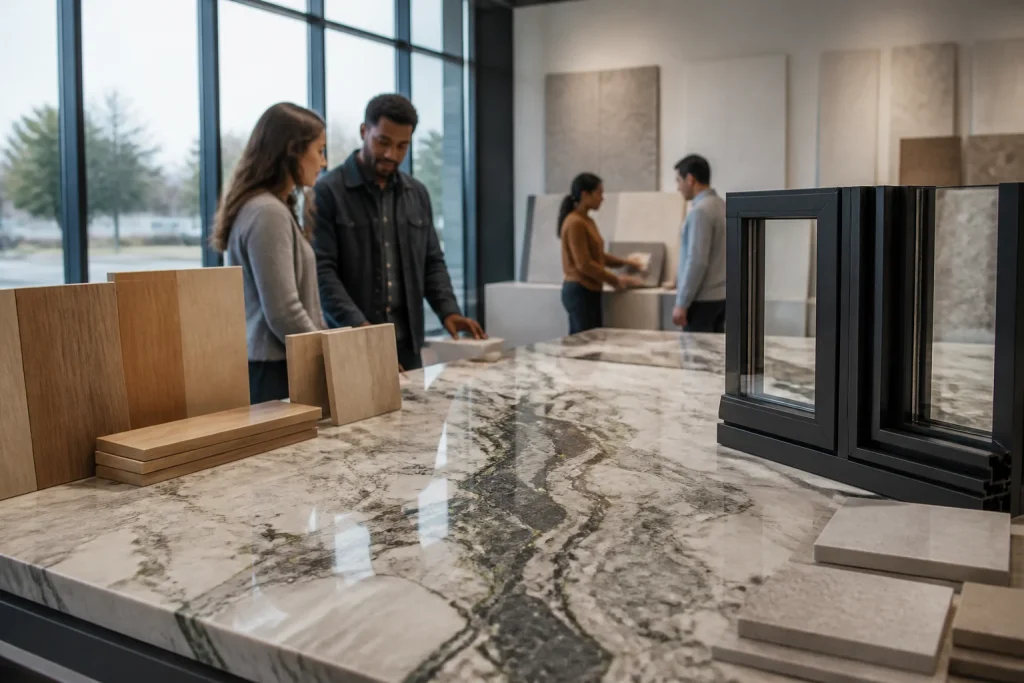
For homeowners embarking on luxury home building projects, sourcing premium materials is paramount to achieving unparalleled quality and lasting value. The best suppliers for high-end building materials typically include specialized architectural material distributors, bespoke millwork shops, exclusive stone and tile showrooms, and direct-from-manufacturer representatives for…
- Specialized Distributors are Key: Focus on suppliers who specialize in high-end, architectural-grade materials rather than general hardware stores.
- Premium materials for luxury home building are distinguished by several critical factors that extend beyond mere aesthetics.
- Locating the right suppliers for premium building materials requires a discerning approach, often extending beyond a simple online search.
- Customization and bespoke fabrication are hallmarks of luxury home building, allowing for unique architectural expressions and tailored functionality that mass-produced items cannot achieve.
- The landscape of luxury home building materials is continuously evolving, driven by advancements in technology, a growing emphasis on sustainability, and an enduring demand for unique aesthetic appeal.
Where to Buy Premium Building Materials for Luxury Homes: Supplier Directory
For homeowners embarking on luxury home building projects, sourcing premium materials is paramount to achieving unparalleled quality and lasting value. The best suppliers for high-end building materials typically include specialized architectural material distributors, bespoke millwork shops, exclusive stone and tile showrooms, and direct-from-manufacturer representatives for custom systems like advanced HVAC or smart home technology. These providers offer not only superior products but also expert consultation, custom fabrication capabilities, and robust supply chain management, ensuring that every component, from structural elements to finishing touches, meets the exacting standards of luxury construction. A typical high-end residential project, for instance, might involve procuring custom-cut Italian marble from a specialized importer, bespoke cabinetry from a local artisan, and advanced energy-efficient windows from a European manufacturer, all coordinated through a dedicated project manager.
Key Insights
- Specialized Distributors are Key: Focus on suppliers who specialize in high-end, architectural-grade materials rather than general hardware stores.
- Quality Over Cost: Premium materials offer superior durability, aesthetics, and performance, justifying the initial investment for luxury homes.
- Direct Manufacturer Relationships: For unique or custom systems, engaging directly with manufacturers can provide access to exclusive products and technical support.
- Expert Consultation is Invaluable: Leverage supplier expertise for material selection, technical specifications, and installation guidance to avoid costly errors.
- Supply Chain Management: Verify a supplier’s ability to manage logistics, especially for international or custom orders, to ensure timely project completion.
What Defines Premium Materials for Luxury Home Building?
Premium materials for luxury home building are distinguished by several critical factors that extend beyond mere aesthetics. These include exceptional durability, superior performance characteristics, ethical sourcing, and often, a unique artisan quality or advanced technological integration. For example, a premium roofing material might not only be aesthetically pleasing but also offer a 50-year warranty, superior wind resistance up to 130 mph, and advanced solar reflectivity to reduce cooling costs, a feature increasingly sought after in regions like DFW. Similarly, high-end flooring options often involve sustainably harvested hardwoods, large-format porcelain tiles with intricate designs, or natural stone like Carrara marble, each selected for its inherent beauty, longevity, and the craftsmanship required for its installation. According to industry surveys from 2023, homeowners investing in luxury properties prioritize materials that offer both a sophisticated appearance and measurable long-term benefits, such as enhanced energy efficiency and reduced maintenance.
The selection process for these materials often involves a deep dive into their provenance and manufacturing processes. For instance, custom cabinetry for a luxury kitchen might utilize exotic hardwoods like African Wenge or European Walnut, combined with precision-engineered hardware from brands like Blum or Häfele, known for their smooth operation and durability. These materials are not mass-produced; instead, they often come from specialized mills or workshops where quality control is meticulous. A typical luxury bathroom renovation, for example, might feature fixtures from Dornbracht or Waterworks, known for their exquisite design and robust construction, alongside custom-cut natural stone slabs for countertops and shower surrounds. The investment in such materials is reflected in their longevity and the reduced need for replacements or repairs over the lifespan of the home, offering a tangible return on investment for discerning homeowners.
Beyond the tangible aspects, premium materials also contribute significantly to the overall sensory experience and perceived value of a luxury home. This includes tactile qualities, such as the feel of solid brass hardware or the warmth of radiant heated flooring, as well as acoustic properties, like the sound dampening provided by high-quality insulation and solid core doors. Advanced building envelopes, incorporating materials like triple-pane windows from manufacturers such as Marvin or Andersen, not only enhance energy efficiency but also provide superior sound attenuation, creating a tranquil indoor environment. These elements collectively elevate the living experience, transforming a house into a truly bespoke sanctuary. As one veteran architect specializing in high-end residential projects puts it, “The true luxury of a home isn’t just in its size, but in the thoughtful selection and seamless integration of materials that speak to quality, comfort, and enduring design.”
Identifying Reputable Suppliers for High-End Materials
Locating the right suppliers for premium building materials requires a discerning approach, often extending beyond a simple online search. Reputable suppliers for luxury home projects typically have established relationships with architects, interior designers, and custom home builders, often operating through referral networks. These firms distinguish themselves through transparency in their sourcing, detailed product specifications, and a proven track record of successful high-end projects. For instance, a supplier specializing in bespoke architectural glass might showcase a portfolio of custom installations in prominent luxury residences, demonstrating their capability to handle complex designs and precise engineering requirements. Their sales representatives are not merely order-takers but knowledgeable consultants who can advise on material properties, structural considerations, and long-term performance.
Due diligence in selecting a supplier involves several steps. Begin by requesting detailed product data sheets, certifications (such as LEED or FSC for sustainable materials), and warranty information. Visiting showrooms or fabrication facilities, where possible, provides invaluable insight into the quality of materials and the craftsmanship involved. For example, when sourcing custom metalwork, observing the welding techniques and finishing processes at a fabricator’s workshop can reveal their commitment to precision and durability. Furthermore, always ask for references from previous clients or collaborating professionals. A supplier who readily provides contacts for architects or builders they have worked with demonstrates confidence in their service and product quality. This level of scrutiny ensures that the materials procured will meet the rigorous demands of luxury construction, contributing to the home’s overall integrity and aesthetic appeal.
The Role of Customization and Fabrication in Luxury Projects
Customization and bespoke fabrication are hallmarks of luxury home building, allowing for unique architectural expressions and tailored functionality that mass-produced items cannot achieve. Premium material suppliers often offer extensive customization options, transforming raw materials into one-of-a-kind components. This can range from custom-milled hardwoods for unique flooring patterns or intricate wall paneling to specially formulated concrete mixes for architectural features or countertops. For example, a high-end stone fabricator might work directly with a homeowner and designer to select specific slabs of marble or granite, then custom-cut, polish, and install them to create seamless, book-matched surfaces for a grand kitchen island or a luxurious master bathroom. This meticulous attention to detail ensures that every element perfectly aligns with the project’s vision.
The process of custom fabrication involves close collaboration between the homeowner, architect, designer, and the supplier’s skilled artisans. This iterative design and production cycle ensures that complex specifications are met with precision. Consider a scenario involving custom-designed exterior doors and windows. A specialized millwork shop would not only craft these elements from premium woods like mahogany or teak but also integrate advanced glazing technologies and custom hardware, all tailored to the home’s specific architectural style and performance requirements. This level of bespoke creation extends to various aspects of a luxury home, including custom lighting fixtures, hand-forged ironwork, or even unique glass art installations. The investment in customization not only enhances the aesthetic appeal but also ensures optimal fit, superior performance, and a truly personalized living environment that reflects the homeowner’s individual taste and lifestyle.
This bespoke approach extends to the very structure of a luxury home. For instance, advanced structural insulated panels (SIPs) can be custom-fabricated to precise dimensions, offering superior thermal performance and structural integrity compared to traditional stick-built framing. These panels, often incorporating high-density foam insulation between oriented strand board (OSB) or plywood, are manufactured off-site and delivered ready for assembly, significantly reducing construction time and waste. According to a 2023 report by the National Association of Home Builders, projects utilizing custom-fabricated components like SIPs can see up to a 25% reduction in framing labor costs and a 15% improvement in energy efficiency. This not only contributes to the home’s long-term sustainability but also ensures a level of precision in construction that is difficult to achieve with conventional methods. The ability to customize every element, from the foundational structure to the intricate interior finishes, is what truly differentiates a luxury home from a standard build, creating a living space that is both a personal statement and a testament to superior craftsmanship.
Elevating Your Vision: The Future of Luxury Home Building Materials
The landscape of luxury home building materials is continuously evolving, driven by advancements in technology, a growing emphasis on sustainability, and an enduring demand for unique aesthetic appeal. Future trends point towards even greater integration of smart materials, which can adapt to environmental conditions, and a broader adoption of biophilic design principles, bringing natural elements and patterns into the built environment. For example, self-healing concrete, which incorporates bacteria that produce limestone to repair cracks, is moving from experimental stages to practical applications, promising unprecedented longevity for structural components. Similarly, dynamic glass technologies, capable of tinting on demand to control light and heat, are becoming more sophisticated and accessible for high-end residential projects. These innovations not only enhance the performance and comfort of a luxury home but also contribute to a reduced environmental footprint, aligning with the values of environmentally conscious homeowners. As one leading architectural materials consultant noted in a recent industry forum, “The next generation of luxury materials won’t just be beautiful; they’ll be intelligent, sustainable, and deeply integrated into the home’s ecosystem.”
Moreover, the focus on ethical sourcing and transparency in the supply chain will intensify, with homeowners increasingly seeking assurances about the origin and environmental impact of their chosen materials. This includes everything from certified sustainable timber to conflict-free minerals used in high-tech components. Suppliers who can provide comprehensive documentation and certifications will gain a significant advantage in the luxury market. For instance, a homeowner might request detailed provenance for rare wood veneers or insist on stone quarried under fair labor practices. The integration of advanced manufacturing techniques, such as 3D printing for architectural elements or custom fixtures, also offers new avenues for intricate designs and material optimization, pushing the boundaries of what is possible in bespoke construction. These forward-thinking approaches ensure that luxury homes are not only built to the highest standards today but are also prepared for the demands and expectations of tomorrow, offering enduring value and unparalleled living experiences.
Crafting Your Bespoke Sanctuary
Embarking on a luxury home building project is an opportunity to create a truly personalized sanctuary, and the selection of premium materials is central to this endeavor. By focusing on specialized distributors, prioritizing quality and performance, and leveraging expert consultation, homeowners can navigate the complex world of high-end materials with confidence. The investment in superior products and custom fabrication not only ensures exceptional durability and aesthetic appeal but also contributes to the long-term value and unique character of the home. From the foundational elements to the intricate finishing touches, every material choice plays a pivotal role in defining the luxury living experience. Consider the tactile sensation of a custom-designed solid wood door, the visual depth of hand-laid mosaic tiles, or the serene quietude provided by advanced acoustic insulation—these are the details that transform a house into a bespoke masterpiece, reflecting individual taste and a commitment to enduring quality.
Bottom Line: Sourcing premium materials for luxury home building involves engaging specialized distributors and manufacturers who offer superior products, expert consultation, and custom fabrication to ensure unparalleled quality, durability, and aesthetic appeal.
Frequently Asked Questions
What are the key characteristics of premium building materials?
Premium building materials are defined by exceptional durability, superior performance, ethical sourcing, and often unique artisan quality or advanced technological integration. They offer long-term benefits like enhanced energy efficiency and reduced maintenance, justifying their initial investment for luxury homes.
How do I identify reputable suppliers for high-end materials?
Reputable suppliers typically have established relationships with architects and designers, offer transparent sourcing, detailed product specifications, and a proven track record. Look for certifications, visit showrooms, and request references from previous clients to verify their quality and reliability.
Why is customization important in luxury home building?
Customization allows for unique architectural expressions and tailored functionality, transforming raw materials into one-of-a-kind components. It ensures optimal fit, superior performance, and a truly personalized living environment that reflects the homeowner’s individual taste and lifestyle.