
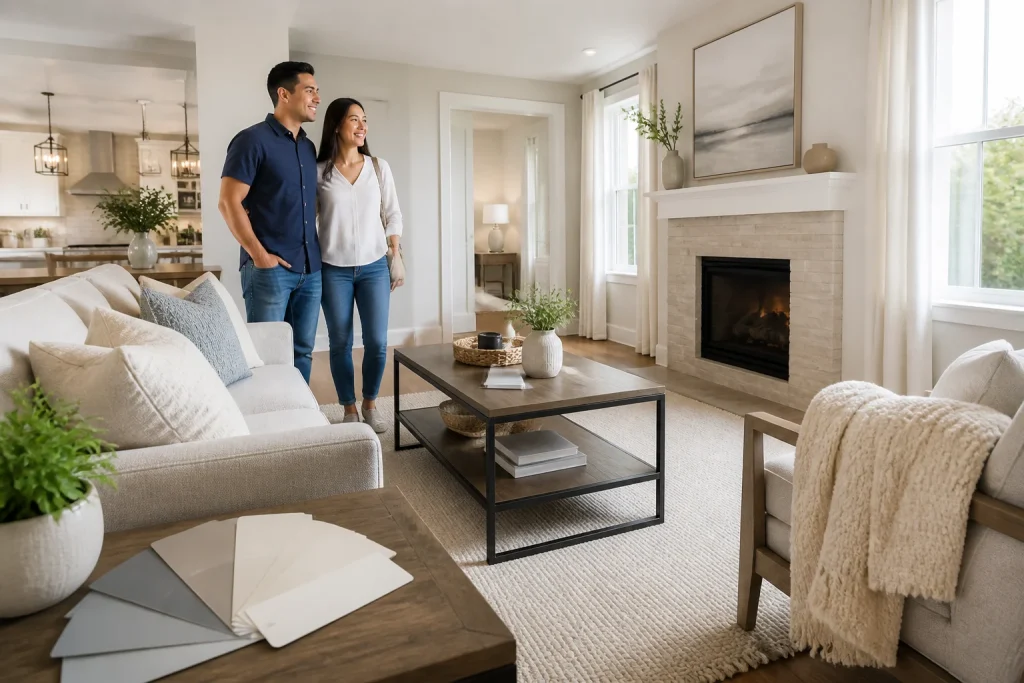
Selecting interior paint colors that broaden buyer appeal and increase home value involves prioritizing neutral, versatile shades that create a clean, spacious, and inviting atmosphere. These best upgrades to increase home value focus on timeless options like warm grays, soft whites, and muted beiges, which…
- When considering the best upgrades to increase home value through interior painting, the focus should be on creating a broad appeal rather than catering to niche tastes.
- Beyond color, the finish and quality of the paint significantly influence both aesthetic appeal and durability, directly impacting perceived home value.
- Achieving a high return on investment from an interior paint job involves more than just selecting the right colors and finishes; it also requires careful preparation and execution.
- To truly unlock your home's full potential and ensure your paint choices are among the best upgrades to increase home value, think beyond individual rooms and consider the overall narrative your home presents.
- Warm grays like Sherwin-Williams' "Agreeable Gray," soft whites such as Benjamin Moore's "White Dove," and muted beiges are highly recommended.
How to Select Interior Paint Colors That Broaden Buyer Appeal and Increase Home Value
Selecting interior paint colors that broaden buyer appeal and increase home value involves prioritizing neutral, versatile shades that create a clean, spacious, and inviting atmosphere. These best upgrades to increase home value focus on timeless options like warm grays, soft whites, and muted beiges, which serve as a blank canvas for potential buyers, allowing them to easily envision their own furnishings and style without the distraction of strong personal preferences. According to industry surveys from 2023, homes with professionally painted neutral interiors often sell faster and for a higher percentage of their asking price, typically seeing a return on investment of 100-300% on the paint job itself. This strategic approach minimizes the need for buyers to repaint immediately, adding perceived value and reducing a common point of negotiation.
What Paint Colors Offer the Best Upgrades to Increase Home Value?
When considering the best upgrades to increase home value through interior painting, the focus should be on creating a broad appeal rather than catering to niche tastes. Neutral colors are universally recommended by real estate professionals and interior designers alike because they offer flexibility and a sense of calm. Shades like “Agreeable Gray” by Sherwin-Williams or “Revere Pewter” by Benjamin Moore are popular choices, known for their ability to complement various decor styles and lighting conditions. These colors provide a sophisticated backdrop that enhances natural light and makes rooms feel larger and more open, a significant draw for prospective buyers. For instance, a typical 1,800-square-foot home in Plano, TX, painted in a cohesive neutral palette, can often command a higher market price compared to one with bold or highly personalized colors, as buyers perceive it as move-in ready and well-maintained.
The psychology behind neutral paint choices is rooted in their ability to evoke feelings of cleanliness, spaciousness, and tranquility. Bright white, while seemingly simple, can sometimes feel stark or cold. Instead, opt for off-whites with subtle warm undertones, such as “Swiss Coffee” or “White Dove” from Benjamin Moore, which soften the light and add a touch of elegance. These warmer whites are particularly effective in kitchens and bathrooms, areas where cleanliness and brightness are paramount. A study published in 2022 by a national real estate association indicated that homes with light, neutral kitchen and bathroom paint colors sold, on average, 1.5% higher than those with darker or more saturated hues. This seemingly small percentage can translate into thousands of dollars on a luxury property in the DFW area, making the choice of paint color a critical component of a high-ROI renovation strategy.
Beyond the main living areas, consider how paint colors impact specific rooms. Bedrooms benefit from slightly softer, muted tones that promote relaxation, such as a light greige or a very pale blue-gray. These colors maintain neutrality while adding a subtle layer of comfort. For home offices or flex spaces, a slightly deeper, yet still neutral, shade can add a touch of sophistication without overwhelming the room. The key is consistency and flow; ensure that colors transition smoothly from one room to another, creating a harmonious experience throughout the home. As one veteran interior designer in the DFW market puts it, “The goal isn’t just to paint, it’s to create an atmosphere where buyers can instantly see themselves living, without having to mentally redecorate.” This holistic approach to color selection is a hallmark of effective luxury home remodeling and renovation.
The Importance of Paint Finish and Quality
Beyond color, the finish and quality of the paint significantly influence both aesthetic appeal and durability, directly impacting perceived home value. Different paint finishes, from flat to high-gloss, offer distinct visual effects and levels of resilience. Flat or matte finishes absorb light, creating a sophisticated, non-reflective surface that can mask minor wall imperfections. This makes them ideal for ceilings and low-traffic areas like formal dining rooms or master bedrooms, where a soft, elegant look is desired. However, flat paints are less washable and more prone to scuff marks, which could detract from a home’s pristine appearance over time if not maintained.
Eggshell and satin finishes strike a balance between aesthetics and practicality, making them highly recommended for most interior walls, especially in areas with moderate traffic. Eggshell offers a subtle sheen, slightly more durable and washable than flat, while satin provides a soft, pearl-like luster that is even easier to clean. These finishes are excellent choices for living rooms, hallways, and children’s bedrooms, as they withstand light scrubbing without damaging the paint. For high-moisture environments like kitchens and bathrooms, or for trim and doors, semi-gloss or high-gloss finishes are superior. Their hard, reflective surfaces are exceptionally durable, resistant to moisture, and very easy to wipe clean, which is crucial for maintaining a fresh, sanitary look in these critical areas. Using a consistent, high-quality paint brand across all surfaces also signals attention to detail and quality to potential buyers.
Practical Considerations for a High-ROI Paint Job
Achieving a high return on investment from an interior paint job involves more than just selecting the right colors and finishes; it also requires careful preparation and execution. Proper surface preparation is paramount. This includes cleaning walls thoroughly, repairing any cracks or holes, and priming surfaces, especially if there’s a significant color change or if the walls are porous. Skipping these steps can lead to uneven coverage, peeling, or a less professional finish, ultimately diminishing the perceived value of the home. For instance, a typical 2,000-square-foot home in a humid climate like Houston, TX, benefits immensely from a mildew-resistant primer in bathrooms and kitchens to prevent future issues.
Consider the lighting in each room when making final color decisions. Natural light from north-facing windows tends to be cooler and bluer, while south-facing light is warmer and more yellow. Artificial lighting, whether incandescent, LED, or fluorescent, also impacts how a color appears. Always test paint samples on different walls within a room and observe them at various times of day to see how the light interacts with the chosen hue. This step, often overlooked, prevents costly mistakes and ensures the selected color truly enhances the space. A well-executed paint job, characterized by crisp lines, smooth finishes, and a cohesive color scheme, signals to buyers that the home has been meticulously cared for, reinforcing its overall value.
The choice of paint applicator also plays a role in the final outcome. While rollers are efficient for large wall expanses, high-quality brushes are essential for cutting in around trim, corners, and ceilings to achieve sharp, clean lines. Investing in good quality brushes and rollers, and ensuring they are properly cleaned and maintained, contributes to a smoother finish and reduces the likelihood of streaks or uneven textures. For larger projects, or when seeking a truly flawless finish, professional painters often utilize sprayers, which can apply paint with exceptional uniformity, though this requires significant skill and masking preparation. A homeowner in Dallas, TX, recently shared that after attempting a DIY paint job with inexpensive tools, they ultimately hired professionals, noting that the superior finish and efficiency of the pros, despite the initial cost, saved them time and significantly enhanced their home’s market appeal, validating the investment.
Finally, consider the environmental impact and health aspects of your paint choices. Low-VOC (Volatile Organic Compound) paints are increasingly popular, not only for their reduced environmental footprint but also for improving indoor air quality. These paints emit fewer harmful chemicals, making the home safer for occupants during and after the painting process. While they might have a slightly higher upfront cost, the benefits for health and the perception of a well-cared-for home can be a strong selling point. According to a 2023 report by a leading home improvement association, homes marketed with eco-friendly features, including low-VOC paints, often attract a broader pool of environmentally conscious buyers and can command a premium of 1-2% in certain markets. This aligns with a growing trend among buyers who prioritize sustainable and healthy living environments, making it a thoughtful consideration for any homeowner looking to maximize their property’s appeal and value.
Unlocking Your Home’s Full Potential with Strategic Color Choices
To truly unlock your home’s full potential and ensure your paint choices are among the best upgrades to increase home value, think beyond individual rooms and consider the overall narrative your home presents. A cohesive color palette that flows seamlessly from one space to another creates a sense of unity and spaciousness, making the entire home feel larger and more thoughtfully designed. This doesn’t mean every wall must be the same color, but rather that the chosen hues should complement each other, perhaps sharing similar undertones or belonging to the same color family. For example, transitioning from a warm gray in the living room to a slightly lighter greige in the hallway, and then to an off-white in the kitchen, maintains visual harmony while still defining distinct areas. This deliberate approach to color sequencing is a hallmark of high-end interior design and significantly elevates a home’s perceived quality and market readiness.
Engaging with a professional color consultant or interior designer, even for a brief consultation, can provide invaluable insights and prevent costly mistakes. These experts possess a deep understanding of color theory, lighting dynamics, and current market trends, allowing them to recommend shades that are not only aesthetically pleasing but also strategically aligned with buyer preferences and regional styles. They can help navigate the nuances of undertones, ensuring that a “neutral” color doesn’t unexpectedly pull green or pink in certain lighting conditions. For instance, a consultation in a competitive market like Austin, TX, might reveal that while cool grays were popular a few years ago, warmer, earthier neutrals are now preferred by buyers seeking a cozy yet sophisticated ambiance. This expert guidance ensures that your investment in painting yields the highest possible return, transforming your home into a highly desirable property that stands out in the market.
Ultimately, the goal is to create an environment that feels fresh, clean, and adaptable, allowing prospective buyers to easily envision their lives unfolding within its walls. By focusing on neutral palettes, appropriate finishes, meticulous preparation, and professional execution, you are not just applying paint; you are making a strategic investment that enhances your home’s aesthetic appeal, perceived value, and marketability. This thoughtful approach to interior painting is a proven method for achieving a significant return on investment, often making it one of the most cost-effective renovations a homeowner can undertake to boost their property’s worth. As one real estate analyst noted in a 2023 market review, “A well-painted home isn’t just a pretty home; it’s a smart investment that speaks volumes about its care and readiness for its next owner.”
Bottom Line: Selecting neutral, versatile interior paint colors with appropriate finishes and professional application is one of the best upgrades to increase home value, offering a high return on investment by broadening buyer appeal and minimizing perceived renovation needs.
Frequently Asked Questions
What specific neutral colors are best for increasing home value?
Warm grays like Sherwin-Williams’ “Agreeable Gray,” soft whites such as Benjamin Moore’s “White Dove,” and muted beiges are highly recommended. These colors provide a versatile backdrop that appeals to a wide range of buyers and complements various decor styles, making rooms feel larger and brighter.
Does paint finish matter for home value?
Yes, paint finish significantly impacts perceived value. Eggshell or satin finishes are ideal for most walls due to their balance of aesthetics and durability. Semi-gloss or high-gloss are best for high-traffic areas, trim, and doors because they are highly washable and resistant to moisture, signaling quality and ease of maintenance.
How much ROI can I expect from a professional paint job?
Industry surveys from 2023 indicate that homes with professionally painted neutral interiors often see a return on investment of 100-300% on the paint job itself. This is because it adds perceived value, reduces buyer negotiation points, and makes the home feel move-in ready.
Should I use low-VOC paints to increase home value?
Using low-VOC (Volatile Organic Compound) paints can increase home value, especially among environmentally conscious buyers. These paints improve indoor air quality and signal a well-cared-for home, potentially commanding a 1-2% premium in certain markets, according to a 2023 report.