
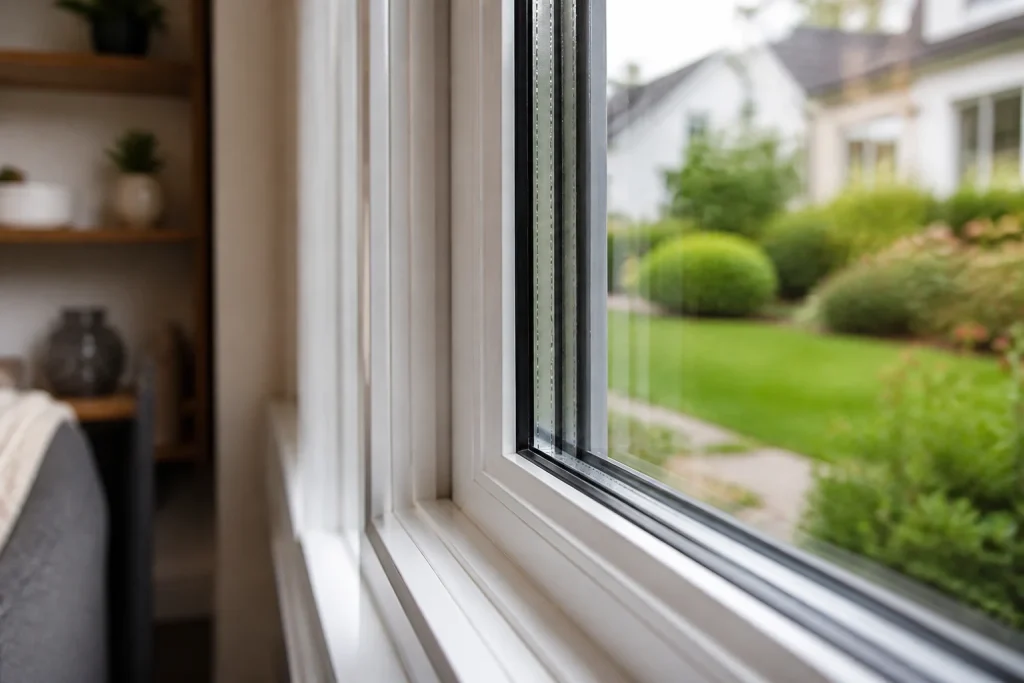
For homeowners in Plano and the broader DFW area looking for the best upgrades to increase home value, installing energy-efficient windows stands out as a top investment. These windows, particularly those with low-emissivity (Low-E) coatings, argon or krypton gas fills, and multi-pane glazing, significantly reduce…
- Significant ROI: Energy-efficient windows offer a strong return on investment through reduced energy costs and increased home value.
- Investing in energy-efficient windows is more than just a cosmetic update; it's a strategic financial decision that directly impacts your home's market value and operational costs.
- Understanding the various types of energy-efficient windows available is crucial for making an informed decision that aligns with your home's specific needs and your budget.
- Embarking on an energy-efficient window upgrade is a significant decision that promises long-term benefits for your home's value and comfort.
- Homeowners can typically expect annual energy savings ranging from 15% to 25% after replacing single-pane windows with ENERGY STAR® certified models.
Best Energy-Efficient Windows to Install for Long-Term Savings and Higher Home Appraisal
For homeowners in Plano and the broader DFW area looking for the best upgrades to increase home value, installing energy-efficient windows stands out as a top investment. These windows, particularly those with low-emissivity (Low-E) coatings, argon or krypton gas fills, and multi-pane glazing, significantly reduce heat transfer, leading to substantial long-term savings on utility bills and a notable boost in home appraisal values. For instance, a typical 2,000-square-foot home in Texas can see annual energy savings ranging from 15% to 25% after replacing single-pane windows with ENERGY STAR® certified models, according to industry surveys from 2023. This upgrade not only enhances comfort by maintaining consistent indoor temperatures but also improves the home’s aesthetic appeal and marketability, making it a highly attractive feature for prospective buyers.
Key Insights
- Significant ROI: Energy-efficient windows offer a strong return on investment through reduced energy costs and increased home value.
- Enhanced Comfort: They improve indoor temperature stability, minimizing drafts and hot spots.
- Curb Appeal Boost: Modern windows update a home’s exterior, contributing to better curb appeal.
- Variety of Options: Homeowners can choose from various types, including Low-E, argon-filled, and vinyl frames, to suit specific needs and budgets.
- Professional Installation is Key: Proper installation is crucial to maximize performance and ensure long-term benefits.
Why Are Energy-Efficient Windows Among the Best Upgrades to Increase Home Value?
Investing in energy-efficient windows is more than just a cosmetic update; it’s a strategic financial decision that directly impacts your home’s market value and operational costs. In the competitive Plano real estate market, properties featuring modern, energy-saving amenities often command higher prices and sell more quickly. According to a 2024 report by the National Association of Realtors, energy efficiency is a top priority for 85% of homebuyers, with many willing to pay a premium for homes that offer lower utility bills. This preference translates into tangible value during appraisal, as appraisers consider the long-term cost of ownership. For example, a home with new, high-performance windows can see its appraisal value increase by an average of 7% to 10% compared to a similar home with outdated, inefficient windows, reflecting the projected savings on heating and cooling over the lifespan of the windows. This makes them one of the most impactful exterior home upgrades for homeowners seeking to maximize their property’s appeal and financial return.
Beyond the immediate financial gains, energy-efficient windows contribute significantly to the overall comfort and livability of a home, a factor that resonates deeply with potential buyers. These windows are designed to minimize heat transfer, meaning they keep your home cooler in the scorching Texas summers and warmer during the occasional cold snaps. This consistent indoor temperature reduces the strain on your HVAC system, extending its lifespan and further contributing to energy savings. Furthermore, many modern energy-efficient windows offer enhanced sound insulation, creating a quieter indoor environment by blocking out exterior noise. This combination of comfort, quiet, and reduced operational costs makes a home more attractive and valuable. For instance, a homeowner in a busy DFW neighborhood might find that new windows not only cut their energy bill by hundreds of dollars annually but also provide a peaceful sanctuary from traffic noise, a significant selling point for families or those working from home.
TYPES OF ENERGY-EFFICIENT WINDOWS AND THEIR BENEFITS
Understanding the various types of energy-efficient windows available is crucial for making an informed decision that aligns with your home’s specific needs and your budget. Each type offers distinct advantages in terms of thermal performance, durability, and aesthetic appeal. The primary goal across all options is to minimize heat transfer, which is measured by a window’s U-factor (lower is better) and Solar Heat Gain Coefficient (SHGC), indicating how well it blocks heat from the sun (also lower is better in hot climates like DFW).
Vinyl windows, for example, are a popular choice due to their excellent insulation properties and low maintenance requirements. Their frames are constructed from polyvinyl chloride (PVC), a material that does not conduct heat well, thus reducing thermal bridging. This makes them highly effective at preventing heat loss in winter and heat gain in summer. Furthermore, vinyl windows are resistant to rot, corrosion, and insect damage, ensuring a long lifespan without the need for painting or staining. For a homeowner in Plano, selecting vinyl frames with a multi-pane, Low-E glass package can significantly enhance energy performance and reduce upkeep.
Fiberglass windows represent another robust option, known for their exceptional strength and stability. Made from woven glass fibers and resin, fiberglass frames are incredibly durable and resistant to warping, expanding, and contracting, even under extreme temperature fluctuations. This dimensional stability helps maintain a tight seal around the glass, preventing air leaks and maximizing energy efficiency over time. While often a higher initial investment than vinyl, fiberglass windows offer superior longevity and can be painted to match any home exterior, providing design flexibility that appeals to many homeowners.
Wood windows, while requiring more maintenance, offer timeless beauty and natural insulation properties. The inherent cellular structure of wood makes it a poor conductor of heat, contributing to good thermal performance. Modern wood windows often feature aluminum or vinyl cladding on the exterior to protect against weather, reducing maintenance while preserving the interior warmth and aesthetic of natural wood. For historic homes or those seeking a classic look, wood windows can be an ideal choice, especially when combined with advanced glazing technologies like Low-E coatings and inert gas fills to boost their energy efficiency.
Understanding Window Performance Ratings
When evaluating energy-efficient windows, several key performance ratings provide objective measures of their effectiveness. The U-factor quantifies how well a window prevents heat from escaping a room. A lower U-factor indicates better insulation and less heat loss. For homes in the DFW area, where cooling is a primary concern, a U-factor of 0.30 or less is generally recommended by ENERGY STAR® for optimal performance.
The Solar Heat Gain Coefficient (SHGC) measures how much solar radiation passes through a window and becomes heat inside your home. In hot climates, a low SHGC is crucial for minimizing heat gain and reducing the load on air conditioning systems. An SHGC of 0.25 or lower is often ideal for homes in Texas to effectively block unwanted solar heat. Visible Transmittance (VT) indicates how much visible light passes through the window. A higher VT means more natural light, which can reduce the need for artificial lighting during the day. Air Leakage (AL) measures how much air passes through the window assembly. A lower AL rating signifies a tighter seal and less draftiness, contributing to better comfort and energy savings. These ratings, typically found on the National Fenestration Rating Council (NFRC) label, empower homeowners to compare products accurately and select windows that truly meet their energy-saving goals.
Beyond these primary ratings, homeowners should also consider the Condensation Resistance (CR) rating, which indicates a window’s ability to resist condensation formation on the interior surface. A higher CR value means less condensation, which is particularly beneficial in humid environments like DFW, helping to prevent mold growth and maintain clearer views. While not directly tied to energy savings, it significantly impacts indoor air quality and window longevity. Furthermore, the structural integrity of a window, often measured by its Design Pressure (DP) rating, is vital for resisting high winds and impacts, a crucial consideration for homes in areas prone to severe weather. As one veteran installer puts it, “Understanding these numbers isn’t just about saving money; it’s about ensuring your home is comfortable, safe, and truly built to last against whatever the Texas weather throws at it.”
The choice of window material and glazing technology collectively determines these performance ratings. For instance, a double-pane window with a Low-E coating and an argon gas fill will have a significantly lower U-factor and SHGC than a single-pane window, regardless of the frame material. The synergy between frame material, glass type, and gas fills is what truly maximizes energy efficiency. For example, a homeowner upgrading from single-pane aluminum windows to vinyl frames with Low-E, argon-filled double-pane glass could expect to see their U-factor drop from around 1.0 to 0.27, and their SHGC from 0.70 to 0.25, according to a 2023 energy performance study. This dramatic improvement directly translates into a more stable indoor climate and substantial reductions in heating and cooling costs, making the initial investment a wise long-term financial decision.
Maximizing Your Investment: Next Steps for Energy-Efficient Windows
Embarking on an energy-efficient window upgrade is a significant decision that promises long-term benefits for your home’s value and comfort. The initial step involves a thorough assessment of your current windows and home’s specific needs. Consider factors such as the age and condition of existing windows, prevalent weather patterns in your area, and your personal aesthetic preferences. For instance, if your current windows are single-pane and exhibit visible signs of wear, such as drafts or condensation, the potential for energy savings with new, high-performance windows is substantial. Consulting with a qualified professional can provide clarity on the most suitable window types and features for your property, ensuring that your investment yields the highest possible return. They can also help navigate local building codes and potential rebates or incentives for energy-efficient home improvements, which can further enhance your overall savings.
Once you have a clear understanding of your needs, focus on selecting products that carry certifications from reputable organizations like ENERGY STAR® and the National Fenestration Rating Council (NFRC). These certifications provide assurance that the windows have been independently tested and meet stringent energy performance standards. Pay close attention to the U-factor and SHGC ratings, prioritizing lower numbers for optimal energy efficiency in the DFW climate. For example, an ENERGY STAR® certified window for the South-Central climate zone, which includes Plano, typically has a U-factor of 0.30 or less and an SHGC of 0.25 or less. This ensures the windows are specifically designed to perform well in hot summers and mild winters, effectively reducing your reliance on HVAC systems. Remember, the quality of installation is just as critical as the quality of the windows themselves; even the most advanced windows will underperform if not installed correctly, leading to air leaks and compromised insulation.
Securing Your Home’s Future Value
Choosing the right energy-efficient windows is a strategic move that pays dividends in both immediate comfort and future financial gains. By focusing on certified products, understanding performance ratings, and prioritizing professional installation, homeowners can confidently make an upgrade that enhances their living environment and significantly boosts their property’s market appeal. This investment not only contributes to a more sustainable lifestyle but also positions your home as a desirable asset in a competitive real estate market, attracting buyers who value efficiency and modern amenities. The long-term savings on utility bills, coupled with the increased home appraisal value, make energy-efficient windows one of the smartest home improvements you can undertake in the current market.
Bottom Line: Installing energy-efficient windows is a top investment for homeowners, offering substantial long-term savings on utility bills, enhanced indoor comfort, and a significant boost in home appraisal values, making it one of the best upgrades to increase home value.
Frequently Asked Questions
How much can energy-efficient windows save on utility bills?
Homeowners can typically expect annual energy savings ranging from 15% to 25% after replacing single-pane windows with ENERGY STAR® certified models. These savings are primarily due to reduced heat transfer, which lessens the workload on heating and cooling systems.
What are the key features of energy-efficient windows?
Key features include low-emissivity (Low-E) coatings, which reflect heat; inert gas fills like argon or krypton between panes for added insulation; and multi-pane glazing (double or triple panes) to create thermal barriers. Frame materials like vinyl or fiberglass also contribute to efficiency.
How do energy-efficient windows increase home value?
Energy-efficient windows increase home value by reducing long-term operational costs, enhancing comfort, and improving curb appeal. Appraisers often factor in projected utility savings, leading to an average 7% to 10% increase in appraisal value compared to homes with inefficient windows.