
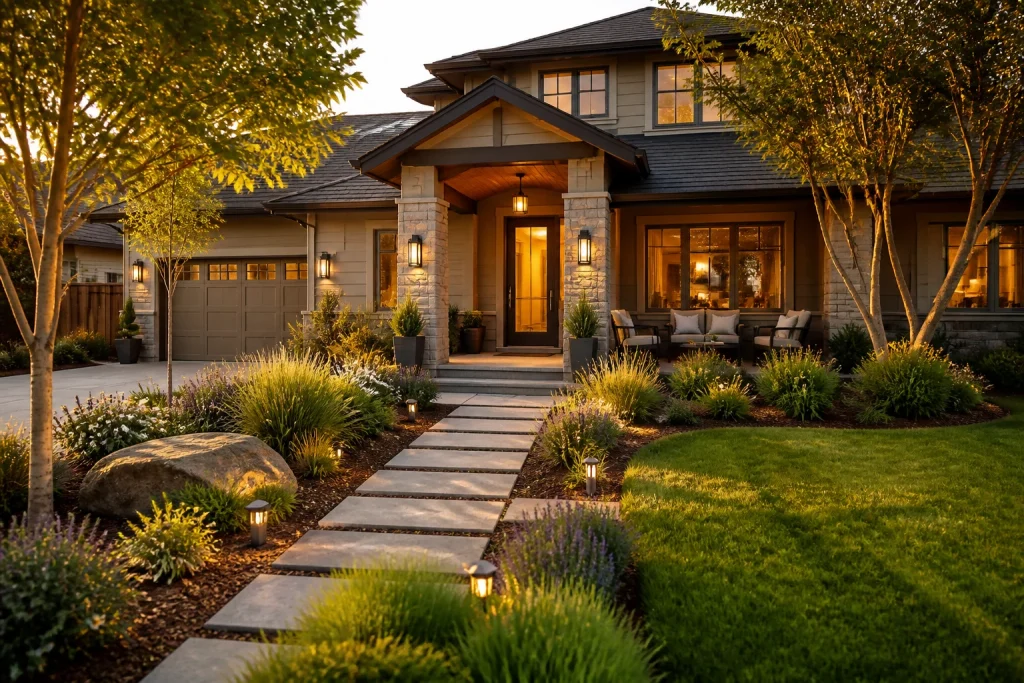
To maximize your home's exterior appeal and achieve the best upgrades to increase home value, professional landscaping services are essential for creating a cohesive, attractive, and functional outdoor environment. Strategic landscaping, including thoughtful plant selection, hardscaping elements like patios and walkways, and efficient irrigation systems,…
- When considering exterior enhancements, focusing on landscaping upgrades that offer a strong return on investment (ROI) is paramount for homeowners aiming to increase their property's market value.
- Beyond immediate aesthetic and financial gains, integrating sustainable landscaping practices offers long-term benefits that resonate with modern homeowners and contribute to increased property value.
- For homeowners looking to enhance their property's value and appeal through professional landscaping, the journey begins with a clear vision and informed decision-making.
- Professional landscaping can increase property value by 10-12% on average, with some well-designed projects yielding even higher returns.
Get Quotes for Professional Landscaping Services to Maximize Your Home's Exterior Appeal
To maximize your home’s exterior appeal and achieve the best upgrades to increase home value, professional landscaping services are essential for creating a cohesive, attractive, and functional outdoor environment. Strategic landscaping, including thoughtful plant selection, hardscaping elements like patios and walkways, and efficient irrigation systems, can significantly enhance curb appeal, often yielding a strong return on investment. For instance, a well-designed landscape can increase property value by 10-12% according to industry surveys, making it a critical consideration for homeowners in areas like Plano, TX, who seek to elevate their luxury properties. Engaging experienced professionals ensures that design choices are both aesthetically pleasing and sustainable, tailored to the local climate and architectural style of your home.
What Landscaping Upgrades Offer the Best Return on Investment? best upgrades to increase home value
When considering exterior enhancements, focusing on landscaping upgrades that offer a strong return on investment (ROI) is paramount for homeowners aiming to increase their property’s market value. Data from the National Association of Realtors (NAR) consistently shows that certain outdoor projects resonate strongly with potential buyers. For example, a well-maintained landscape with an appealing design can boost a home’s perceived value by 7% to 15%. This includes elements such as a professionally designed patio, which can recoup up to 69% of its cost, and an upgraded landscape with a fire pit, offering a similar return. These figures underscore the importance of strategic planning and professional execution in maximizing the financial benefits of your landscaping investment. Homeowners in the DFW area, particularly those with luxury properties, often prioritize these types of upgrades to align with the high standards of the local real estate market.
Beyond the immediate financial returns, the long-term benefits of smart landscaping choices contribute significantly to a home’s appeal and functionality. Drought-tolerant plantings, for instance, not only reduce water consumption and maintenance costs but also appeal to environmentally conscious buyers, a growing demographic as of 2024. Similarly, the addition of outdoor lighting systems enhances safety and extends the usability of outdoor spaces into the evening, a feature highly valued in family-oriented communities. According to a recent survey by the American Society of Landscape Architects (ASLA), 83% of homeowners consider outdoor living spaces very important. This trend highlights that investments in features like outdoor kitchens, pergolas, or even a simple, well-lit pathway are not just aesthetic improvements but functional extensions of the home, directly impacting lifestyle and desirability. These considerations are particularly relevant for NovaStar Construction’s clients, who often seek comprehensive solutions that blend luxury with practicality.
Choosing the right professional for these upgrades is as crucial as selecting the upgrades themselves. A reputable landscaping firm will possess the expertise to navigate local zoning regulations, understand regional plant suitability, and execute designs that complement your home’s architecture. For instance, in the Plano, TX climate, selecting native plants that thrive in hot summers and occasional freezes is vital for long-term success and minimal upkeep. A skilled professional can also advise on sustainable practices, such as rainwater harvesting or efficient irrigation systems, which add value and reduce environmental impact. As one veteran landscape designer puts it, “The true value of a landscape isn’t just in its initial beauty, but in its enduring health and how seamlessly it integrates with the home and its surroundings.” This holistic approach ensures that your investment in professional landscaping services yields both immediate aesthetic gratification and lasting financial benefits, making it one of the best upgrades to increase home value.
Maximizing Value Through Sustainable Landscaping Practices
Beyond immediate aesthetic and financial gains, integrating sustainable landscaping practices offers long-term benefits that resonate with modern homeowners and contribute to increased property value. Sustainable design focuses on ecological health, resource conservation, and reduced maintenance, making a home more attractive to a broader market. For example, xeriscaping, a method of landscaping that reduces or eliminates the need for irrigation, is particularly effective in arid or semi-arid regions like North Texas. By utilizing drought-tolerant native plants, homeowners can significantly cut water bills, a compelling selling point in an era of rising utility costs and environmental awareness. This approach not only conserves water but also supports local ecosystems by providing habitat for native wildlife, enhancing the overall biodiversity of the property.
Another key aspect of sustainable landscaping involves thoughtful material selection and waste reduction. Opting for permeable hardscaping materials, such as decomposed granite or permeable pavers, allows rainwater to infiltrate the soil rather than running off, reducing stormwater runoff and replenishing groundwater. This practice can mitigate erosion and improve soil health, which are crucial for the longevity of any landscape. Furthermore, incorporating recycled or locally sourced materials for elements like retaining walls, pathways, or decorative features minimizes the carbon footprint associated with transportation and manufacturing. A typical homeowner in the DFW area, for instance, might consider using reclaimed brick for a patio or locally quarried stone for garden borders, aligning their property with eco-friendly principles that appeal to a growing segment of buyers.
The Role of Smart Technology in Modern Landscaping
The integration of smart technology into landscaping systems represents a significant advancement in both efficiency and value. Smart irrigation systems, for example, utilize weather data, soil moisture sensors, and plant-specific needs to optimize watering schedules, preventing overwatering and conserving water. These systems can be controlled remotely via smartphone applications, offering homeowners unparalleled convenience and precise control over their landscape’s hydration. According to the Environmental Protection Agency (EPA), smart irrigation controllers can reduce outdoor water use by 20-50%, translating into substantial savings over time and enhancing the property’s appeal to environmentally conscious buyers.
Similarly, smart outdoor lighting systems offer more than just aesthetic enhancement; they provide security, convenience, and energy efficiency. LED lighting, in particular, consumes significantly less energy than traditional incandescent bulbs and has a much longer lifespan, reducing maintenance and replacement costs. Smart lighting can be programmed to turn on and off at specific times, adjust brightness, or even change colors to create different ambiances, all controllable from a mobile device. This level of sophistication transforms outdoor spaces into versatile extensions of the home, usable at any time of day or night. For luxury properties, especially, these technological integrations are no longer mere amenities but expected features that underscore a home’s modern appeal and functional superiority, directly contributing to its market value.
The strategic application of smart technology extends to other areas of outdoor living as well. Automated landscape lighting, for instance, can be integrated with home security systems, providing an additional layer of protection by illuminating dark areas or triggering specific light sequences in response to detected motion. This not only deters potential intruders but also enhances the overall safety and navigability of the property after dusk. Furthermore, advancements in outdoor audio systems, often discreetly integrated into the landscape, allow for seamless entertainment, transforming patios and gardens into vibrant social hubs. These systems can be controlled wirelessly, offering personalized soundscapes for various occasions, from quiet evenings to lively gatherings. For homeowners seeking to maximize their property’s appeal and functionality, especially in competitive markets like Plano, TX, these technological enhancements are increasingly becoming standard expectations rather than mere luxuries, directly influencing perceived value and desirability as of 2024.
Beyond the immediate convenience, the data supporting smart landscaping technology is compelling. A study by the Irrigation Association (IA) indicated that smart controllers can lead to average water savings of 30% for residential properties, a significant figure given rising water costs. This efficiency is not just about saving money; it’s about responsible resource management, a value that resonates deeply with a growing segment of environmentally conscious buyers. The ability to manage an entire outdoor environment—from irrigation to lighting and entertainment—from a single interface adds a layer of sophistication and control that elevates the home’s overall smart ecosystem. This integration positions the property as forward-thinking and high-tech, appealing to buyers who prioritize modern conveniences and sustainable living. As one industry expert noted, “Smart landscaping isn’t just about gadgets; it’s about creating a more intelligent, efficient, and enjoyable outdoor experience that truly extends the living space.”
Investing in Your Outdoor Oasis: Next Steps for Homeowners
For homeowners looking to enhance their property’s value and appeal through professional landscaping, the journey begins with a clear vision and informed decision-making. The first step involves assessing your current outdoor space and identifying areas with the greatest potential for improvement, considering both aesthetic impact and functional needs. Think about how you currently use your yard and how you wish to use it in the future. Do you envision more space for entertaining, a tranquil garden retreat, or a play area for children? Understanding these needs will guide your discussions with landscaping professionals. It’s also beneficial to research local design trends and plant palettes that thrive in your specific climate, such as the hot summers and occasional freezes common in the DFW area. This preliminary research empowers you to articulate your preferences and ensures that the proposed designs are both beautiful and sustainable.
Once you have a general idea of your goals, the next crucial step is to engage with reputable landscaping firms. Seek out professionals who have a strong portfolio of projects similar to your vision and who demonstrate a deep understanding of local environmental conditions and regulations. A thorough consultation should involve a site visit, where the designer can assess your property’s unique characteristics, including sun exposure, soil type, and existing drainage patterns. During this phase, discuss your budget openly and inquire about the potential return on investment for various upgrades. A good professional will provide transparent cost estimates, explain the scope of work, and offer insights into how different elements contribute to your home’s overall value. For instance, they might suggest prioritizing a well-designed patio or an efficient irrigation system, as these often yield the best upgrades to increase home value, according to industry benchmarks as of 2024.
Finally, consider the long-term maintenance and sustainability of your proposed landscape. While initial installation costs are important, ongoing upkeep can significantly impact the true value of your investment. Discuss low-maintenance plant options, efficient irrigation technologies, and sustainable practices like rainwater harvesting or composting with your chosen professional. A well-planned landscape should not only look stunning upon completion but also remain vibrant and manageable for years to come. Request a detailed maintenance plan or recommendations for care to ensure the longevity of your outdoor oasis. By taking these thoughtful steps, you can transform your exterior into a valuable asset that enhances your lifestyle and significantly boosts your home’s market appeal.
Bottom Line: Strategic professional landscaping, incorporating sustainable practices and smart technology, offers some of the best upgrades to increase home value by enhancing curb appeal, functionality, and long-term appeal to buyers.
Frequently Asked Questions
How much value can professional landscaping add to a home?
Professional landscaping can increase property value by 10-12% on average, with some well-designed projects yielding even higher returns. Key elements like patios, outdoor lighting, and drought-tolerant plantings are particularly effective in boosting perceived value and buyer interest.
What landscaping features offer the best return on investment?
Features with strong ROI include professionally designed patios (recouping up to 69% of cost), upgraded landscapes with fire pits, and efficient irrigation systems. Sustainable elements like xeriscaping and smart outdoor lighting also appeal to modern buyers and reduce long-term costs.
Why is sustainable landscaping important for home value?
Sustainable landscaping, such as xeriscaping and permeable hardscaping, reduces water consumption and maintenance costs, appealing to environmentally conscious buyers. It also supports local ecosystems and demonstrates responsible resource management, enhancing a home’s long-term marketability.