
To increase your home’s value through renovations, focus on projects that offer a high return on investment (ROI), enhance curb appeal, improve functionality, and modernize key areas like kitchens and bathrooms. According to industry surveys, minor kitchen remodels and bathroom updates consistently yield strong returns,…
TL;DR
- When considering how to increase your home’s value through renovations, understanding which projects offer the best return on investment (ROI) is crucial.
- Beyond selecting the right projects, strategic planning is paramount to maximizing the value added by renovations.
- While renovations can significantly boost home value, certain pitfalls can diminish returns or even lead to a net loss.
- To truly maximize your home’s appeal and value through renovations, consider the overall flow and coherence of your property.
- Minor kitchen remodels and garage door replacements consistently offer some of the highest returns on investment.
How Can I Increase My Home’s Value Through Renovations?
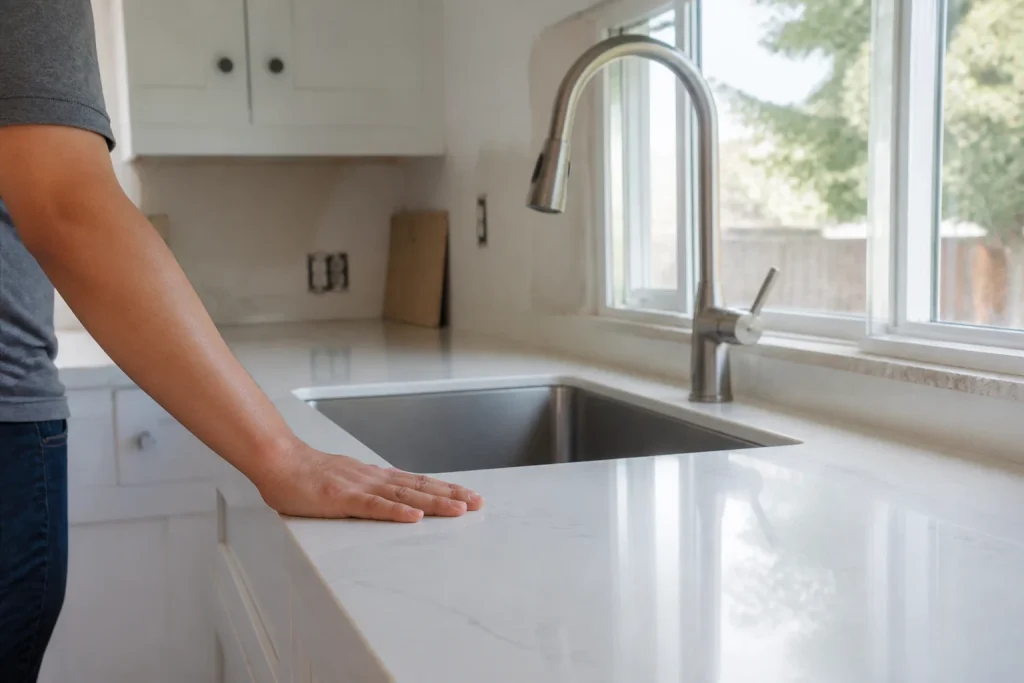
To increase your home’s value through renovations, focus on projects that offer a high return on investment (ROI), enhance curb appeal, improve functionality, and modernize key areas like kitchens and bathrooms. According to industry surveys, minor kitchen remodels and bathroom updates consistently yield strong returns, often recouping 70-80% of their cost upon resale. Prioritize essential repairs and energy-efficient upgrades, such as new windows or insulation, as these not only appeal to buyers but also reduce long-term ownership costs. Strategic renovations should align with neighborhood standards and avoid over-improving for the area, ensuring that the investment translates into tangible market value. For instance, a homeowner in a mid-range suburban area might see a greater value increase from a refreshed kitchen with new countertops and appliances than from a luxury, custom-built wine cellar.
Which Renovations Offer the Best Return on Investment? How can I increase my home’s value through renovations
When considering how to increase your home’s value through renovations, understanding which projects offer the best return on investment (ROI) is crucial. Not all renovations are created equal in the eyes of potential buyers or appraisers. Projects that enhance a home’s functionality, aesthetic appeal, and energy efficiency tend to perform best. For example, a minor kitchen remodel, which typically involves updating cabinet fronts, replacing countertops, upgrading the sink and faucet, and installing new flooring, often recoups around 72% of its cost, according to a national industry survey from 2023. This type of renovation revitalizes one of the most important rooms in a home without the extensive cost and disruption of a full-scale overhaul. Similarly, bathroom remodels, particularly those that update fixtures, tiling, and vanities, can see an ROI of approximately 60-70%, making them a smart choice for homeowners looking to boost value.
Beyond kitchens and bathrooms, other high-ROI renovations include exterior improvements that boost curb appeal. Replacing an old garage door, for instance, can offer an impressive ROI, sometimes exceeding 90%, as it significantly impacts the home’s first impression. Adding a manufactured stone veneer to a home’s exterior also consistently ranks high, often recouping over 90% of its cost. These projects are relatively less expensive than major interior overhauls but have a disproportionately large impact on how a home is perceived from the street. A well-maintained and attractive exterior signals to buyers that the home has been cared for, setting a positive tone before they even step inside. This is particularly important in competitive housing markets where first impressions can make or break a sale.
Energy-efficient upgrades also play a significant role in increasing home value, appealing to environmentally conscious buyers and those looking to save on utility bills. Replacing old, inefficient windows with new, energy-efficient models can offer an ROI of around 67%, according to consumer-protection guidance. While the upfront cost can be substantial, the long-term savings on heating and cooling, combined with improved comfort, make this a desirable feature. Similarly, upgrading insulation in attics or walls, or replacing an aging HVAC system, can significantly enhance a home’s marketability. These improvements might not be as visually dramatic as a kitchen remodel, but they provide tangible benefits that buyers are increasingly willing to pay for, especially with rising energy costs. A typical 2,000-square-foot home, for example, could see annual energy savings of several hundred dollars with proper insulation and modern windows.
Strategic Planning for Maximum Value
Beyond selecting the right projects, strategic planning is paramount to maximizing the value added by renovations. This involves understanding your local market, setting a realistic budget, and considering the long-term implications of your choices. Researching comparable homes in your neighborhood that have recently sold can provide valuable insights into what buyers in your area are looking for and what price points are achievable. For instance, if most homes in your immediate vicinity feature updated kitchens with quartz countertops, opting for laminate might not yield the same return, even if it’s an improvement over your current setup. Conversely, installing high-end marble in a neighborhood where granite is the norm could lead to over-improvement, where the cost of the renovation exceeds the additional value it brings to the property.
Budgeting is another critical aspect. It’s advisable to allocate a contingency fund, typically 10-20% of the total project cost, to cover unforeseen expenses that often arise during renovation work. This prevents projects from stalling due to unexpected issues, such as discovering outdated electrical wiring behind a wall during a bathroom remodel. Furthermore, consider the order of operations for your renovations. Tackling structural or essential repairs, like roof replacement or foundation work, before cosmetic upgrades is always recommended. Addressing these fundamental issues not only prevents future problems but also assures potential buyers that the home is sound, making subsequent aesthetic improvements more impactful.
Understanding Local Market Trends
The specific characteristics of your local housing market significantly influence which renovations will provide the best return. In a seller’s market with high demand, even minor cosmetic updates can make a substantial difference in attracting multiple offers and driving up the sale price. In contrast, a buyer’s market might require more significant, value-adding renovations to stand out from the competition. For example, in an area with many young families, adding a functional mudroom or converting an unused basement into a play area could be highly appealing. Conversely, in a neighborhood popular with retirees, features like walk-in showers or single-story living might be more valued. Consulting with local real estate agents or appraisers can provide tailored advice on what improvements are most sought after in your specific community.
Another factor to consider is the architectural style prevalent in your area. Renovations that complement the existing style of your home and neighborhood tend to integrate more seamlessly and appeal to a broader range of buyers. For instance, a modern, minimalist kitchen might look out of place in a historic Victorian home, potentially detracting from its charm rather than enhancing its value. Maintaining a cohesive aesthetic throughout the property, both inside and out, creates a more polished and desirable impression. This attention to detail signals to buyers that the home has been thoughtfully maintained and updated, contributing to a higher perceived value.
Avoiding Common Renovation Pitfalls
While renovations can significantly boost home value, certain pitfalls can diminish returns or even lead to a net loss. One common mistake is over-personalizing renovations. While you might love a vibrant purple kitchen or a highly specialized home theater, such unique features appeal to a very narrow segment of buyers. When it comes time to sell, these highly specific tastes can make your home harder to market and may require future buyers to undertake additional renovations to suit their preferences, thereby reducing the value they are willing to pay. Opting for neutral color palettes and versatile designs in key areas like kitchens and bathrooms generally ensures broader appeal and a better return on investment.
Another pitfall is neglecting the quality of workmanship. Shoddy repairs or poorly executed renovations can be immediately apparent to discerning buyers and home inspectors, raising red flags about the overall condition of the property. For example, uneven tile work, visible paint drips, or ill-fitting cabinetry can signal a lack of attention to detail and potentially hide deeper issues. Investing in professional contractors with good reputations, checking references, and ensuring proper permits are obtained for significant projects can prevent these issues. While DIY projects can save money, it’s crucial to be realistic about your skills and the complexity of the task. A poorly executed DIY renovation can end up costing more to fix than hiring a professional in the first place.
The Importance of Permits and Regulations
Ignoring local building codes and permit requirements is a serious pitfall that can lead to significant problems down the line. Many structural, electrical, and plumbing renovations require permits from your local municipality to ensure they meet safety standards. Failing to obtain necessary permits can result in fines, forced removal of the work, or complications during resale. A home inspector or appraiser will often look for evidence of permitted work, and unpermitted renovations can deter buyers or even cause a sale to fall through. For example, adding a deck or finishing a basement without the proper permits could lead to a buyer being unable to secure financing, as lenders often require properties to be fully compliant with local regulations. Always consult your local building department before starting any significant renovation project to understand the specific requirements in your area.
Furthermore, understanding the impact of renovations on property taxes is also important. While not a pitfall in itself, significant improvements that increase your home’s assessed value can lead to higher annual property tax bills. Homeowners should factor this potential increase into their long-term financial planning. While the goal is to increase market value, being aware of the associated tax implications helps in making fully informed decisions about the scope and scale of renovations. A typical homeowner in a suburban area, for instance, might see their property taxes increase by a few hundred dollars annually after a major addition or extensive remodel, depending on local assessment practices.
Considering the long-term implications of your renovation choices is also part of strategic planning. For instance, while a trendy design might be appealing now, will it still hold its appeal and value in five to ten years? Timeless designs and classic finishes often provide a more enduring return on investment compared to fleeting fads. This doesn’t mean avoiding all modern updates, but rather integrating them thoughtfully. A neutral base with easily changeable accents allows for personalization without committing to a style that could quickly become dated. For example, choosing white subway tile for a bathroom shower is a more universally appealing and enduring choice than a highly patterned, brightly colored tile that might only appeal to a niche market. This foresight ensures that your efforts to increase your home’s value through renovations continue to pay dividends well into the future, making the property attractive to a wider pool of potential buyers over time.
Maximizing Your Home’s Appeal and Value
To truly maximize your home’s appeal and value through renovations, consider the overall flow and coherence of your property. A piecemeal approach, where individual rooms are updated without regard for the rest of the house, can sometimes detract from the overall impression. Instead, aim for a consistent aesthetic and quality level throughout. For example, if you update your kitchen with high-end stainless steel appliances and quartz countertops, but the adjacent living room still features outdated carpeting and paint, the contrast can be jarring. A holistic approach ensures that each renovation complements the others, creating a harmonious and inviting living space that buyers will appreciate. This doesn’t necessarily mean renovating every single room simultaneously, but rather having a master plan that guides your projects over time. According to a recent survey of real estate professionals (2023), homes with a consistent design theme across renovated areas tend to sell faster and for a higher percentage of their asking price.
Beyond aesthetics, enhancing the functionality and livability of your home is a powerful way to boost its value. This can involve reconfiguring layouts to create more open-plan living spaces, adding storage solutions, or improving natural light. For instance, knocking down a non-load-bearing wall between a kitchen and dining room can transform two smaller, separate areas into a spacious, modern great room, which is highly sought after by today’s buyers. Similarly, adding built-in shelving or converting an awkward nook into a functional home office space addresses common buyer needs. These types of renovations demonstrate thoughtful design and practical utility, making the home more attractive to a broader demographic. A typical family home, for example, might see a significant increase in perceived value from a well-designed mudroom that helps manage clutter, especially in areas with distinct seasonal changes where outdoor gear is common.
Finally, don’t underestimate the power of professional staging and presentation when it’s time to sell. Even the most well-executed renovations can fall flat if the home isn’t presented in its best light. Professional staging helps potential buyers envision themselves living in the space, highlighting the best features of your renovated areas and minimizing any less appealing aspects. This often involves decluttering, depersonalizing, and arranging furniture to optimize flow and create a sense of spaciousness. While not a renovation itself, staging is the crucial final step that ensures your investment in renovations translates into maximum market value. Industry data suggests that professionally staged homes can sell up to 7% higher and spend significantly less time on the market compared to unstaged properties, making it a worthwhile consideration after all your renovation efforts.
Your Next Steps for a Valuable Home
To begin your journey of increasing your home’s value through renovations, start by assessing your current property and identifying areas that could benefit most from improvement. Research local market trends to understand what buyers in your specific area prioritize. Consult with a real estate agent or appraiser for personalized advice on high-impact projects. Develop a realistic budget, including a contingency fund, and prioritize essential repairs before cosmetic upgrades. Always ensure you obtain the necessary permits for any significant work to avoid future complications. Focus on timeless designs and quality workmanship to ensure your investment yields lasting returns.
Bottom Line: To increase your home’s value through renovations, prioritize projects with high ROI like minor kitchen and bathroom remodels, enhance curb appeal, and improve energy efficiency, all while strategically planning with local market trends and quality workmanship in mind.
Frequently Asked Questions
What is the most cost-effective renovation for increasing home value?
Minor kitchen remodels and garage door replacements consistently offer some of the highest returns on investment. These projects significantly enhance curb appeal and functionality without requiring extensive financial outlay, making them excellent choices for boosting value.
Should I renovate my home before selling?
It depends on the market and the condition of your home. Minor, high-ROI renovations can attract more buyers and increase sale price. However, major overhauls might not always recoup their cost, especially if they over-improve for the neighborhood. Consult a local real estate agent for tailored advice.
How do I avoid over-improving my home for the neighborhood?
Research comparable homes in your area that have recently sold. Understand the typical finishes and features buyers expect at your neighborhood’s price point. Avoid luxury upgrades that significantly exceed what is common, as these often do not yield a proportional return on investment.
Are energy-efficient upgrades worth the investment for home value?
Yes, energy-efficient upgrades like new windows, insulation, or an updated HVAC system are increasingly appealing to buyers. They offer long-term savings on utility bills and contribute to a home’s overall comfort and sustainability, making them a smart investment for increasing marketability.