
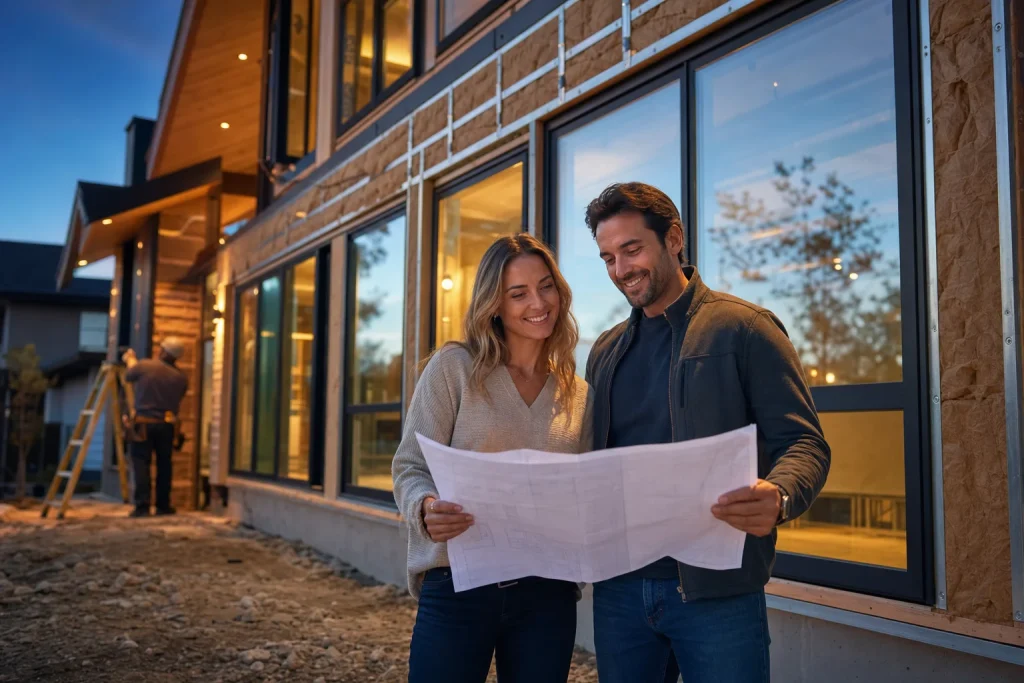
For homeowners in Plano and the broader DFW area, sustainable luxury home building integrates advanced eco-friendly materials and practices to create high-performance, aesthetically superior residences that minimize environmental impact and maximize long-term value. This approach involves selecting renewable resources, optimizing energy efficiency through smart design…
- A cornerstone of sustainable luxury construction lies in the meticulous design and execution of the building envelope.
- Water scarcity is a growing concern, even in regions with seemingly abundant resources.
- A truly sustainable luxury home often incorporates on-site renewable energy generation, significantly reducing or even eliminating reliance on the traditional power grid.
- The main benefits include significantly lower utility bills due to enhanced energy and water efficiency, a healthier indoor environment from reduced VOCs, increased property value, and a smaller environmental footprint.
Sustainable Luxury Home Building: Eco-Friendly Materials and Practices for the Discerning Homeowner
For homeowners in Plano and the broader DFW area, sustainable luxury home building integrates advanced eco-friendly materials and practices to create high-performance, aesthetically superior residences that minimize environmental impact and maximize long-term value. This approach involves selecting renewable resources, optimizing energy efficiency through smart design and technology, and implementing responsible construction waste management. By focusing on elements like passive solar design, geothermal heating and cooling, reclaimed wood, and low-VOC finishes, discerning homeowners can achieve a lavish lifestyle that aligns with environmental stewardship, often resulting in lower operational costs and a healthier indoor environment. Our experience in luxury home remodeling and renovation shows that these methods are not just trends but essential components of modern, high-end construction.
INTEGRATING HIGH-PERFORMANCE BUILDING ENVELOPES
A cornerstone of sustainable luxury construction lies in the meticulous design and execution of the building envelope. This critical system, comprising the roof, walls, windows, and foundation, acts as the primary barrier between the interior and exterior environments. An optimized envelope significantly reduces thermal transfer, meaning less heat gain in the summer and less heat loss in the winter. This translates directly to reduced reliance on mechanical heating and cooling systems, leading to substantial energy savings and a smaller carbon footprint. Advanced insulation materials, such as closed-cell spray foam or rigid insulation panels, are often employed to achieve superior R-values, which measure thermal resistance.
Beyond insulation, the selection and installation of high-performance windows and doors are paramount. Triple-pane glazing with low-emissivity (Low-E) coatings can block a significant portion of UV and infrared light while allowing visible light to pass through, preventing heat transfer without sacrificing natural illumination. Proper sealing and air-tightness testing, often using blower door tests, ensure that unwanted air infiltration and exfiltration are minimized. This comprehensive approach to the building envelope not only enhances energy efficiency but also contributes to a quieter, more comfortable indoor living space, free from drafts and temperature fluctuations.
ADVANCED WATER CONSERVATION STRATEGIES
Water scarcity is a growing concern, even in regions with seemingly abundant resources. Sustainable luxury homes incorporate sophisticated water conservation strategies that go beyond simple low-flow fixtures. Rainwater harvesting systems, for instance, collect precipitation from rooftops and store it in cisterns for non-potable uses such as irrigation, toilet flushing, and even laundry. This significantly reduces reliance on municipal water supplies, especially during dry periods. Similarly, greywater recycling systems treat water from sinks, showers, and washing machines, making it suitable for landscape irrigation, further minimizing freshwater consumption.
Landscaping choices also play a crucial role in water conservation. Xeriscaping, a method of landscaping that requires little or no irrigation, utilizes drought-tolerant native plants that thrive in the local climate. Smart irrigation systems, equipped with soil moisture sensors and weather-based controllers, deliver water precisely when and where it’s needed, preventing overwatering and waste. For a typical homeowner in the DFW area, implementing these strategies can lead to a reduction in water usage by 30-50% compared to conventional homes, demonstrating a tangible commitment to environmental responsibility while maintaining a lush and appealing outdoor aesthetic.
Beyond the physical structure, the integration of smart home technology elevates sustainable luxury living. Advanced home automation systems allow homeowners to precisely monitor and control energy consumption, lighting, and climate settings from anywhere. For example, smart thermostats learn occupancy patterns and adjust temperatures accordingly, while automated blinds can optimize natural light and reduce solar heat gain. Energy monitoring dashboards provide real-time data on electricity and water usage, empowering residents to make informed decisions about their consumption habits. In a typical DFW luxury home, these systems can contribute to an additional 10-15% reduction in energy costs annually, showcasing how technology seamlessly blends convenience with ecological responsibility. The ability to manage these systems remotely also adds a layer of security and peace of mind, knowing that resources are being used efficiently even when the home is unoccupied.
The selection of interior materials further underscores a commitment to sustainability in luxury home building. Opting for rapidly renewable resources like bamboo flooring or cork, which regenerate quickly after harvest, minimizes deforestation and supports ecological balance. Recycled content materials, such as countertops made from recycled glass or reclaimed wood for architectural features, divert waste from landfills and reduce the demand for virgin resources. Furthermore, the emphasis on low-VOC (Volatile Organic Compound) paints, adhesives, and sealants is crucial for maintaining superior indoor air quality. These materials emit fewer harmful chemicals, creating a healthier living environment free from common irritants and allergens. Our experience shows that homeowners increasingly prioritize these choices, understanding that true luxury extends to the well-being of their families and the planet. This meticulous attention to detail ensures that every surface and finish contributes to both aesthetic appeal and environmental integrity.
Embracing Renewable Energy Sources in
A truly sustainable luxury home often incorporates on-site renewable energy generation, significantly reducing or even eliminating reliance on the traditional power grid. Solar photovoltaic (PV) panels are a prominent example, converting sunlight directly into electricity. Modern solar arrays are increasingly sleek and integrated into rooflines, maintaining the aesthetic appeal of a high-end residence. For a typical 4,000 square foot luxury home in the DFW area, a well-designed solar system can offset 70-100% of its electricity needs, leading to substantial long-term savings and a near-zero carbon footprint from electricity consumption. Battery storage systems, often paired with solar panels, store excess energy generated during the day for use at night or during power outages, enhancing energy independence and resilience. This ensures a consistent power supply, even when the sun isn’t shining, providing both environmental benefits and practical advantages for the homeowner.
Geothermal heating and cooling systems represent another highly efficient renewable energy solution. These systems harness the stable underground temperatures to provide consistent heating in winter and cooling in summer. By circulating a fluid through a loop of underground pipes, geothermal systems transfer heat to or from the earth, requiring significantly less energy than conventional HVAC units. While the initial installation cost can be higher, the operational savings are substantial; geothermal systems can reduce heating and cooling costs by 25-50% compared to traditional methods. This makes them a compelling choice for discerning homeowners looking for long-term value and reduced environmental impact. The quiet operation and extended lifespan of geothermal systems also contribute to a superior living experience, aligning perfectly with the principles of sustainable luxury.
What Does the Future Hold for Sustainable Luxury Homes?
The trajectory for sustainable luxury home building points towards even greater integration of technology, advanced materials, and holistic design principles. Expect to see further innovations in self-healing materials, which can repair minor damage autonomously, extending the lifespan of components and reducing maintenance needs. Biophilic design, which emphasizes connecting occupants with nature through natural light, ventilation, and views, will become even more central, enhancing well-being and productivity. Furthermore, the concept of “net-positive” homes, which generate more energy than they consume and even give back to the grid, is becoming an achievable goal for cutting-edge projects. These homes will not only minimize their environmental footprint but actively contribute to a healthier planet. For homeowners, this means a future where their residence is not just a place to live, but an active participant in a sustainable ecosystem, offering unparalleled comfort, efficiency, and peace of mind.
Bottom Line: Sustainable luxury home building integrates eco-friendly materials, advanced energy and water conservation, and renewable energy systems to create high-performance, aesthetically superior residences that offer long-term value, reduced operational costs, and a healthier indoor environment.
Frequently Asked Questions
What are the primary benefits of sustainable luxury home building?
The main benefits include significantly lower utility bills due to enhanced energy and water efficiency, a healthier indoor environment from reduced VOCs, increased property value, and a smaller environmental footprint. These homes offer superior comfort and durability.
Are sustainable luxury homes more expensive to build initially?
While initial construction costs can sometimes be 5-15% higher than conventional homes, the long-term operational savings from reduced energy and water consumption, coupled with potential tax incentives, often lead to a lower total cost of ownership over the home’s lifespan.
How do sustainable homes maintain a luxury aesthetic?
Sustainable luxury homes achieve their aesthetic through thoughtful design, high-quality natural materials like reclaimed wood and natural stone, and seamless integration of eco-friendly technologies. The focus is on timeless design, craftsmanship, and sophisticated finishes that align with environmental values.
What role does smart home technology play in sustainable luxury?
Smart home technology enables precise monitoring and control of energy usage, lighting, and climate, optimizing efficiency and reducing waste. It allows homeowners to manage their home’s environmental impact remotely, enhancing both convenience and sustainability.