
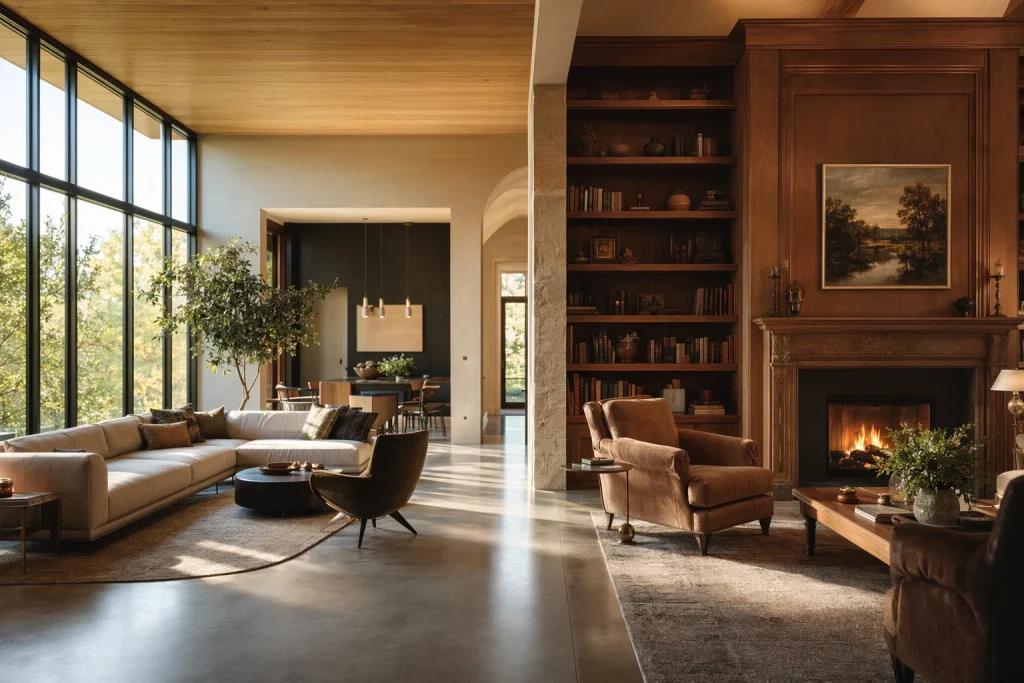
Choosing between modern and traditional luxury home design in the DFW area hinges on your personal aesthetic, daily routines, and long-term vision for your living space. Modern design emphasizes clean lines, open floor plans, minimalist decor, and smart home technology, often featuring materials like steel,…
- Modern Design: Focuses on minimalism, open spaces, natural light, and advanced technology, ideal for those who prefer sleek, uncluttered environments.
- Modern luxury home building is characterized by a commitment to simplicity, functionality, and innovation.
- Traditional luxury home building, in contrast, is rooted in historical architectural styles and a dedication to enduring craftsmanship.
- Deciding between modern and traditional luxury home design extends beyond mere aesthetics; it involves practical considerations that impact daily living.
- Embarking on a luxury home building journey in DFW presents an exciting opportunity to define your personal sanctuary.
Modern vs. Traditional Luxury Home Design: Which Style Suits Your Lifestyle in DFW?
Choosing between modern and traditional luxury home design in the DFW area hinges on your personal aesthetic, daily routines, and long-term vision for your living space. Modern design emphasizes clean lines, open floor plans, minimalist decor, and smart home technology, often featuring materials like steel, glass, and concrete. In contrast, traditional design embraces classic architectural elements, ornate details, rich textures, and a sense of timeless elegance, frequently incorporating natural wood, stone, and intricate millwork. For homeowners embarking on a luxury home building project, understanding these core differences is crucial for creating a home that truly reflects their lifestyle and preferences, ensuring both beauty and functionality.
Key Insights
- Modern Design: Focuses on minimalism, open spaces, natural light, and advanced technology, ideal for those who prefer sleek, uncluttered environments.
- Traditional Design: Emphasizes classic aesthetics, intricate details, warm materials, and a sense of heritage, appealing to those who value comfort and timeless elegance.
- Lifestyle Alignment: Your daily activities, entertaining habits, and desired level of maintenance should guide your style choice.
- DFW Context: Both styles are prevalent in DFW, with many luxury communities offering examples of each, from the contemporary estates of Preston Hollow to the classic homes of Highland Park.
- Hybrid Approaches: Many homeowners opt for transitional designs, blending elements of both modern and traditional styles for a unique, personalized aesthetic.
What Defines Modern Luxury Home Building?
Modern luxury home building is characterized by a commitment to simplicity, functionality, and innovation. This design philosophy prioritizes expansive, open-concept layouts that maximize natural light and create a seamless flow between indoor and outdoor living spaces. Think large, unobstructed windows, often floor-to-ceiling, that blur the lines between your living room and a meticulously landscaped backyard in areas like Southlake or Westlake. Materials play a significant role, with a preference for industrial elements such as polished concrete floors, exposed steel beams, and vast expanses of glass, complemented by natural wood accents to add warmth. For instance, a modern luxury kitchen might feature sleek, handle-less cabinetry, a waterfall island with quartz countertops, and integrated smart appliances from brands like Sub-Zero or Wolf, all contributing to a minimalist yet highly functional aesthetic. According to a 2023 survey by the National Association of Home Builders, nearly 60% of luxury buyers prioritize energy efficiency and smart home technology, both hallmarks of modern design.
Beyond aesthetics, modern luxury homes often integrate cutting-edge technology and sustainable building practices. This includes advanced HVAC systems, smart lighting controls from Lutron or Crestron, automated window treatments, and comprehensive home security systems. The emphasis is on creating a highly efficient, comfortable, and convenient living environment. For example, a modern luxury bathroom might feature a freestanding soaking tub, a walk-in shower with multiple showerheads and smart temperature controls, and minimalist fixtures from brands like Kohler or Grohe. The color palette typically leans towards neutrals—whites, grays, and blacks—with pops of color introduced through art or carefully selected furnishings. The goal is to create a serene, uncluttered space that promotes relaxation and sophisticated living, reflecting a contemporary approach to luxury that values clean lines and technological integration over ornate decoration.
What Defines Traditional Luxury Home Building?
Traditional luxury home building, in contrast, is rooted in historical architectural styles and a dedication to enduring craftsmanship. This approach celebrates classic design principles, often drawing inspiration from European estates, Georgian manors, or Colonial Revival homes. The emphasis is on creating spaces that exude warmth, grandeur, and a sense of permanence. Rather than expansive open plans, traditional layouts often feature distinct, well-defined rooms, each serving a specific purpose, fostering a sense of intimacy and order. Imagine a formal dining room with wainscoting and a coffered ceiling, separate from a cozy, wood-paneled study, common in prestigious DFW neighborhoods like Highland Park or University Park.
Materials are chosen for their timeless appeal and rich character. Natural hardwoods, such as oak or cherry, are frequently used for flooring, custom cabinetry, and intricate millwork. Stone, particularly marble or granite, adorns countertops, fireplaces, and entryways, adding a touch of classic opulence. For instance, a traditional luxury kitchen might showcase custom-built, hand-painted cabinetry, a large island with turned legs, and professional-grade appliances from brands like La Cornue or Aga, seamlessly integrated into a design that prioritizes both beauty and robust functionality. A 2022 report by the Institute of Classical Architecture & Art highlighted that homeowners investing in traditional design often seek bespoke elements and artisanal finishes, valuing the unique character these details impart.
Beyond the visible elements, traditional luxury homes often incorporate sophisticated, yet discreet, modern conveniences. While not as overtly tech-centric as modern designs, these homes still feature high-quality HVAC systems, integrated sound systems, and advanced security, all carefully concealed to maintain the classic aesthetic. A traditional luxury bathroom, for example, might feature a clawfoot tub, a custom vanity with intricate carvings, and polished brass fixtures from brands like Waterworks or Rohl, creating a spa-like retreat that feels both opulent and historically resonant. The color palette typically favors rich, deep tones—burgundies, forest greens, and navy blues—alongside classic neutrals, often complemented by luxurious fabrics and antique furnishings. The aim is to craft an environment that feels established, comfortable, and deeply elegant, reflecting a reverence for historical beauty and meticulous detail.
Choosing Your Style: Practical Considerations
Deciding between modern and traditional luxury home design extends beyond mere aesthetics; it involves practical considerations that impact daily living. Think about your lifestyle and how you interact with your home. If you frequently host large gatherings that flow from indoors to outdoors, a modern open-concept layout with expansive glass doors might be ideal. The seamless transition allows guests to mingle freely between a gourmet kitchen, a spacious living area, and an outdoor entertainment space. Conversely, if your entertaining style leans towards more intimate, formal dinner parties or quiet evenings by the fireplace, the distinct rooms and cozy nooks of a traditional home might better suit your preferences, providing defined spaces for different activities.
Maintenance is another crucial factor. Modern homes, with their minimalist surfaces and integrated technology, can sometimes offer easier cleaning and upkeep, especially with smart home systems managing many functions. However, the specialized materials like large glass panels or polished concrete may require specific cleaning methods. Traditional homes, with their intricate millwork, ornate fixtures, and rich fabrics, often demand more detailed cleaning and care to preserve their classic beauty. Consider the time and effort you are willing to invest in maintaining your home’s appearance. A typical homeowner with a busy professional life might appreciate the streamlined nature of a modern design, while someone who enjoys the ritual of caring for fine furnishings and architectural details might gravitate towards a traditional aesthetic.
Finally, consider the long-term appeal and resale value in the DFW market. Both modern and traditional luxury homes hold strong appeal, but their desirability can vary by specific neighborhood and buyer demographic. Modern homes often attract younger, tech-savvy buyers, while traditional homes appeal to those seeking timeless elegance and established grandeur. A transitional design, which blends elements of both, can offer a broader appeal, combining the comfort of traditional design with the clean lines and functionality of modern aesthetics. This hybrid approach allows for personalization, ensuring your home remains relevant and cherished for years to come, whether it features a modern kitchen within a traditionally styled exterior or a classic study adorned with contemporary art.
Choosing your style also involves considering the architectural context of your chosen DFW neighborhood. While many communities offer a mix, some areas have a predominant aesthetic. For instance, the sprawling estates of Westlake often feature contemporary designs that blend seamlessly with natural landscapes, incorporating elements like expansive glass walls and minimalist landscaping. In contrast, the established elegance of Highland Park is characterized by its stately traditional homes, often with brick or stone exteriors, manicured gardens, and classic architectural details. Understanding the prevailing styles in your desired location can help ensure your new luxury home complements its surroundings, enhancing both its curb appeal and long-term value. A home that feels out of place can detract from its overall appeal, regardless of its internal grandeur. Therefore, aligning your design choice with the neighborhood’s character is a strategic decision that contributes to a harmonious and desirable living environment.
Ultimately, the decision between modern and traditional luxury home design is a deeply personal one, reflecting your vision for how you want to live. It’s about more than just aesthetics; it’s about crafting an environment that supports your daily life, provides comfort, and inspires joy. Whether you envision a sleek, technologically advanced sanctuary or a warm, intricately detailed haven, the DFW luxury home market offers abundant opportunities to bring your dream to fruition. Many custom home builders in the region specialize in both styles, or even transitional designs, allowing for a highly personalized approach. Engaging with an experienced architect and builder early in the process can help translate your preferences into a cohesive design, ensuring that every detail, from the grand entrance to the private retreats, aligns with your unique definition of luxury living. This collaborative process is essential for creating a home that is not only beautiful but also perfectly tailored to your individual needs and aspirations.
Crafting Your Ideal Living Space
Embarking on a luxury home building journey in DFW presents an exciting opportunity to define your personal sanctuary. The choice between modern and traditional styles, or a thoughtful blend of both, is a foundational decision that will shape every aspect of your living experience. Consider how each style influences the atmosphere of your home. A modern design, with its emphasis on open spaces and natural light, often fosters a sense of calm and expansiveness, ideal for those who appreciate minimalist aesthetics and a connection to the outdoors. Imagine waking up in a master suite with floor-to-ceiling windows overlooking a private courtyard, or entertaining guests in a great room that flows effortlessly onto a covered patio with an outdoor kitchen. This approach prioritizes visual clarity and an uncluttered environment, promoting a lifestyle focused on ease and contemporary elegance. According to a 2023 report by the American Institute of Architects, client demand for larger windows and open-concept layouts in luxury homes has increased by 15% over the past five years, reflecting a growing preference for light-filled, flexible spaces.
Conversely, a traditional design offers a different kind of luxury, one steeped in comfort, history, and intricate beauty. The defined rooms and rich materials create a sense of intimacy and grandeur, perfect for those who value classic elegance and a more formal living experience. Picture a grand foyer with a sweeping staircase, leading to a formal living room adorned with custom millwork and a stately fireplace, or a library with built-in bookshelves and a cozy reading nook. These spaces are designed to evoke a sense of heritage and enduring quality, providing a backdrop for cherished family moments and sophisticated entertaining. The tactile experience of natural wood, plush fabrics, and ornate details contributes to an environment that feels both luxurious and deeply inviting. For example, a traditional home in Preston Hollow might feature a meticulously crafted study with dark wood paneling and a custom-built desk, offering a private retreat for work or contemplation, a stark contrast to the open, multi-functional spaces often found in modern designs.
Ultimately, the most successful luxury homes are those that genuinely reflect the homeowner’s personality and functional requirements. Whether you lean towards the sleek sophistication of modern design, the timeless elegance of traditional architecture, or a harmonious blend of both, the key is to engage with experienced professionals who can translate your vision into reality. Architects and builders specializing in luxury homes in the DFW area possess the expertise to guide you through material selections, technological integrations, and spatial planning, ensuring that your new home is not only aesthetically pleasing but also perfectly suited to your lifestyle. This collaborative process allows for the creation of a bespoke residence that stands as a testament to your unique taste and provides a foundation for years of comfortable, luxurious living. The investment in thoughtful design and quality craftsmanship ensures that your home will be a source of pride and enjoyment, regardless of the prevailing trends.
Bottom Line: Choosing between modern and traditional luxury home design in DFW depends on your personal aesthetic, lifestyle, and desired level of formality, with modern favoring minimalism and technology, and traditional emphasizing classic elegance and intricate details.
Frequently Asked Questions
What are the primary material differences between modern and traditional luxury homes?
Modern luxury homes often feature industrial materials like steel, glass, and polished concrete, complemented by natural wood. Traditional luxury homes typically incorporate natural hardwoods, marble, granite, and intricate millwork, emphasizing rich textures and classic finishes.
How do modern and traditional luxury homes differ in terms of layout?
Modern luxury homes prioritize open-concept layouts with expansive, flowing spaces that maximize natural light and indoor-outdoor connections. Traditional luxury homes, conversely, often feature distinct, well-defined rooms, creating a sense of intimacy and formal separation for various activities.
Which design style is more energy-efficient or technologically advanced?
Modern luxury homes typically integrate cutting-edge smart home technology and sustainable building practices, focusing on energy efficiency through advanced HVAC, automated controls, and large, efficient windows. Traditional homes can incorporate modern conveniences, but often conceal them to maintain a classic aesthetic.