
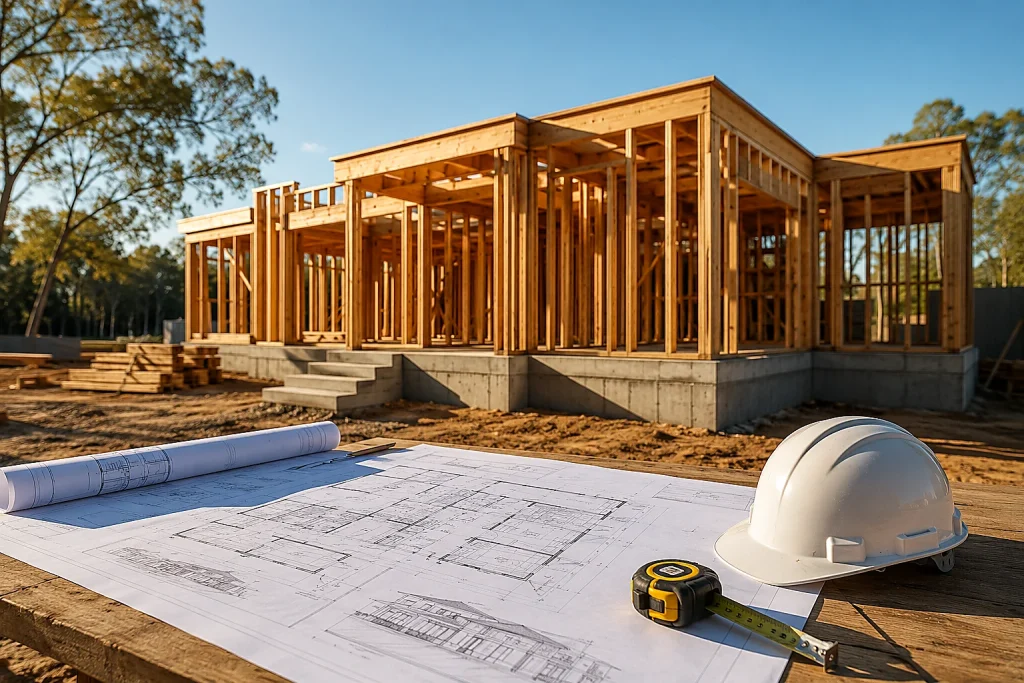
Embarking on a luxury home building project involves a meticulously planned sequence of stages, typically spanning 12 to 24 months from initial concept to final move-in. This comprehensive timeline begins with site selection and architectural design, progresses through detailed permitting, foundation work, framing, and mechanical…
- Comprehensive Planning is Paramount: The initial design and planning phases, including architectural drawings and material selections, often take as long as the physical construction itself.
- The journey of creating a custom luxury home begins long before the first shovel breaks ground.
- Once the initial planning and permitting stages are complete, the physical transformation of your vision into a tangible structure begins.
- Embarking on the creation of a luxury home is a significant undertaking, one that promises a residence perfectly tailored to your lifestyle and aesthetic preferences.
- The design phase for a luxury home usually takes 3 to 6 months.
The Luxury Home Building Process: A Step-by-Step Timeline from Groundbreaking to Move-In
Embarking on a luxury home building project involves a meticulously planned sequence of stages, typically spanning 12 to 24 months from initial concept to final move-in. This comprehensive timeline begins with site selection and architectural design, progresses through detailed permitting, foundation work, framing, and mechanical installations, and culminates in interior finishes, landscaping, and final inspections. For instance, a custom 5,000-square-foot residence in the DFW area might see its design phase take 3-6 months, followed by 2-4 months for permitting, and then 9-14 months for construction, depending on the complexity of bespoke features like smart home integration or elaborate outdoor living spaces. Understanding each phase is crucial for managing expectations and ensuring a smooth, successful project.
Key Insights
- Comprehensive Planning is Paramount: The initial design and planning phases, including architectural drawings and material selections, often take as long as the physical construction itself.
- Budget Flexibility is Essential: Luxury builds frequently encounter unforeseen site conditions or design enhancements, necessitating a contingency fund of 10-15% of the total project cost.
- Permitting Varies by Location: Local regulations in areas like Plano, TX, can significantly impact the timeline, with permit approvals ranging from a few weeks to several months.
- Quality Over Speed: High-end craftsmanship requires time; rushing any phase can compromise structural integrity or aesthetic finish.
- Effective Project Management: A dedicated project manager is critical for coordinating trades, managing schedules, and ensuring adherence to the bespoke design vision.
What Are the Initial Stages of Luxury Home Building?
The journey of creating a custom luxury home begins long before the first shovel breaks ground. These initial stages are foundational, setting the tone and direction for the entire project. They encompass everything from conceptualizing your vision to securing the necessary approvals. This phase is highly collaborative, involving homeowners, architects, interior designers, and the builder, ensuring every detail aligns with the desired aesthetic and functional requirements. For example, a client in Preston Hollow might spend several months refining their vision for an open-concept living space with specific natural light requirements, necessitating multiple revisions to architectural plans.
Typically, the initial stages, including site selection, architectural design, and preliminary engineering, can take anywhere from 3 to 9 months. This timeframe is influenced by the complexity of the design, the number of revisions, and the responsiveness of all parties involved. During this period, decisions are made on critical elements such as the home’s orientation on the lot to maximize views or energy efficiency, the selection of high-end materials like imported marble or custom-milled hardwoods, and the integration of advanced smart home technologies. Our experience in luxury home remodeling and renovation has shown that thoroughness in this phase significantly reduces costly changes later in the construction process.
A crucial component of this early phase is securing financing and developing a detailed budget. For a luxury build, this often involves specialized lenders familiar with high-value properties and construction loans. A realistic budget, including a contingency for unexpected expenses, is vital. Industry norms suggest allocating 10-15% of the total project cost as a contingency fund. This allows for flexibility when encountering unforeseen site conditions, such as bedrock requiring specialized excavation, or when homeowners decide to upgrade finishes during the selection process. Without a robust financial plan, even the most exquisite designs can face delays or compromises.
What Happens During the Construction Phase?
Once the initial planning and permitting stages are complete, the physical transformation of your vision into a tangible structure begins. This construction phase is typically the longest segment of the luxury home building timeline, often spanning 9 to 14 months, depending on the scale and bespoke elements involved. It is a highly dynamic period, characterized by a sequence of specialized trades working in concert under the meticulous oversight of the project manager. This phase is where the architectural drawings come to life, piece by piece, from the foundational elements to the intricate interior details.
The construction phase can be broadly categorized into several key stages, each with its own set of critical tasks and inspections. It commences with site preparation and foundation work, ensuring a stable and robust base for the entire structure. This might involve extensive excavation, soil stabilization, and the pouring of concrete slabs or the construction of pier and beam foundations, tailored to the specific geological conditions of the property. For instance, a property in an area with expansive clay soils, common in parts of North Texas, would necessitate a more engineered foundation system to prevent future structural issues. Following the foundation, the framing stage erects the skeleton of the home, defining its rooms and overall dimensions. This is quickly followed by the installation of the roof, providing essential protection from the elements and allowing interior work to commence.
After the home is “dried in” with a completed roof and exterior sheathing, the focus shifts to the mechanical, electrical, and plumbing (MEP) systems. This involves running all necessary wiring, pipes, and ductwork through the walls, ceilings, and floors before they are enclosed. This is a critical period for integrating advanced smart home technologies, custom lighting designs, and high-efficiency HVAC systems, which are hallmarks of luxury residences. Concurrently, windows and exterior doors are installed, further sealing the building envelope. This stage often includes multiple inspections by local authorities to ensure compliance with building codes and safety standards, a process that can influence the overall timeline if re-inspections are required.
Finishing Touches and Landscaping
As the MEP rough-ins are approved, the interior finishing work begins, transforming the raw structure into a refined living space. This involves insulation, drywall installation, and the application of interior wall finishes, from custom paint colors to bespoke wall coverings. Following this, the installation of flooring, cabinetry, countertops, and high-end appliances takes center stage. This is where the homeowner’s material selections, made during the design phase, truly manifest. For example, the precise installation of large format porcelain tiles or intricate hardwood patterns requires skilled artisans and careful coordination to achieve a flawless finish. Custom millwork, such as built-in shelving or decorative trim, is also meticulously crafted and installed during this period.
Simultaneously with the interior work, exterior finishes and landscaping commence. This includes the application of exterior cladding, such as stone, brick, stucco, or custom wood siding, along with the construction of outdoor living spaces like patios, decks, and outdoor kitchens. Landscaping, often a significant component of luxury properties, involves grading, irrigation system installation, planting of trees and shrubs, and the creation of elaborate hardscapes like pathways and water features. The goal is to create a cohesive aesthetic that extends from the interior to the exterior, enhancing curb appeal and providing functional outdoor environments. This phase often requires coordination with specialized landscape architects and contractors to bring complex designs to fruition.
The final stages involve the installation of light fixtures, plumbing fixtures, and all remaining hardware, followed by a thorough cleaning. A series of final inspections, both by the builder and local authorities, ensure that all aspects of the home meet quality standards and regulatory requirements. This includes a final walk-through with the homeowner to identify any last-minute adjustments or touch-ups. Only after all inspections are passed and any punch list items are addressed is the certificate of occupancy issued, marking the official completion of the luxury home and its readiness for move-in. This meticulous attention to detail at every step ensures the delivered home not only meets but exceeds the homeowner’s expectations.
The final stages involve the installation of light fixtures, plumbing fixtures, and all remaining hardware, followed by a thorough cleaning. A series of final inspections, both by the builder and local authorities, ensure that all aspects of the home meet quality standards and regulatory requirements. This includes a final walk-through with the homeowner to identify any last-minute adjustments or touch-ups. Only after all inspections are passed and any punch list items are addressed is the certificate of occupancy issued, marking the official completion of the luxury home and its readiness for move-in. This meticulous attention to detail at every step ensures the delivered home not only meets but exceeds the homeowner’s expectations.
Navigating Your Luxury Home Building Journey with Confidence
Embarking on the creation of a luxury home is a significant undertaking, one that promises a residence perfectly tailored to your lifestyle and aesthetic preferences. The journey, while complex, becomes manageable with a clear understanding of each phase and the commitment to thorough planning. From the initial conceptualization and detailed architectural design to the rigorous construction and the exquisite finishing touches, every step contributes to the realization of your dream home. For instance, a family building a custom estate in Highland Park, seeking specific sustainable features like geothermal heating and rainwater harvesting, would find that early engagement with specialists in these fields during the design phase is crucial for seamless integration and avoiding costly retrofits later. This proactive approach ensures that bespoke elements are not just add-ons but integral components of the home’s design and functionality.
The success of a luxury home building project hinges on effective collaboration among all stakeholders: the homeowner, architect, interior designer, and the builder. Open communication and a shared vision are paramount, especially when navigating the inevitable decisions and adjustments that arise throughout the process. Consider a scenario where a homeowner decides to alter a kitchen island’s dimensions after the framing is complete; while possible, such changes can incur additional costs and extend timelines. A well-managed project, however, anticipates potential modifications and establishes clear protocols for addressing them, minimizing disruption. Our experience indicates that projects with a dedicated project manager who facilitates regular meetings and transparent reporting tend to progress more smoothly, often completing within the projected 18-month average for a high-end custom build.
Ultimately, the investment in a luxury home is an investment in a lifestyle and a legacy. The detailed timeline, from groundbreaking to move-in, is not merely a schedule but a roadmap to achieving unparalleled quality and personalized comfort. Understanding the typical durations for design (3-6 months), permitting (2-4 months), and construction (9-14 months) provides a realistic framework for expectations. Furthermore, recognizing the importance of a contingency budget (10-15% of total cost) for unforeseen circumstances, such as unexpected material lead times or site challenges, empowers homeowners to make informed financial decisions. This comprehensive approach ensures that the journey is as rewarding as the destination, culminating in a magnificent home that reflects individual taste and stands the test of time.
What to Consider as You Plan Your Bespoke Residence
As you envision your future luxury home, several key considerations will shape the entire building process. Think about the long-term functionality and adaptability of your space. Will your family’s needs evolve over time? Incorporating flexible spaces, such as a room that can transition from a nursery to a home office, can add significant value. Furthermore, research the latest advancements in home technology and sustainable building practices. Many luxury homeowners are now opting for advanced energy management systems, integrated security, and smart climate control, which not only enhance comfort but can also lead to long-term savings. For example, installing a comprehensive smart home system during the rough-in phase is far more efficient and cost-effective than attempting to retrofit it after walls are closed up. This forward-thinking approach ensures your home remains cutting-edge and efficient for years to come.
Bottom Line: The luxury home building process typically spans 12 to 24 months, encompassing meticulous planning, detailed construction, and exquisite finishing, with success hinging on comprehensive planning, budget flexibility, and expert project management.
Frequently Asked Questions
How long does the design phase for a luxury home typically take?
The design phase for a luxury home usually takes 3 to 6 months. This period involves architectural drawings, material selections, and multiple revisions to ensure the design perfectly aligns with the homeowner’s vision and site specifics.
What is a recommended contingency fund for a luxury home build?
It is recommended to allocate a contingency fund of 10-15% of the total project cost for a luxury home build. This fund covers unforeseen site conditions, design enhancements, or unexpected material cost fluctuations.
Why is a dedicated project manager crucial for luxury home construction?
A dedicated project manager is crucial for luxury home construction because they coordinate specialized trades, manage complex schedules, oversee budget adherence, and ensure the bespoke design vision is meticulously executed from start to finish.