
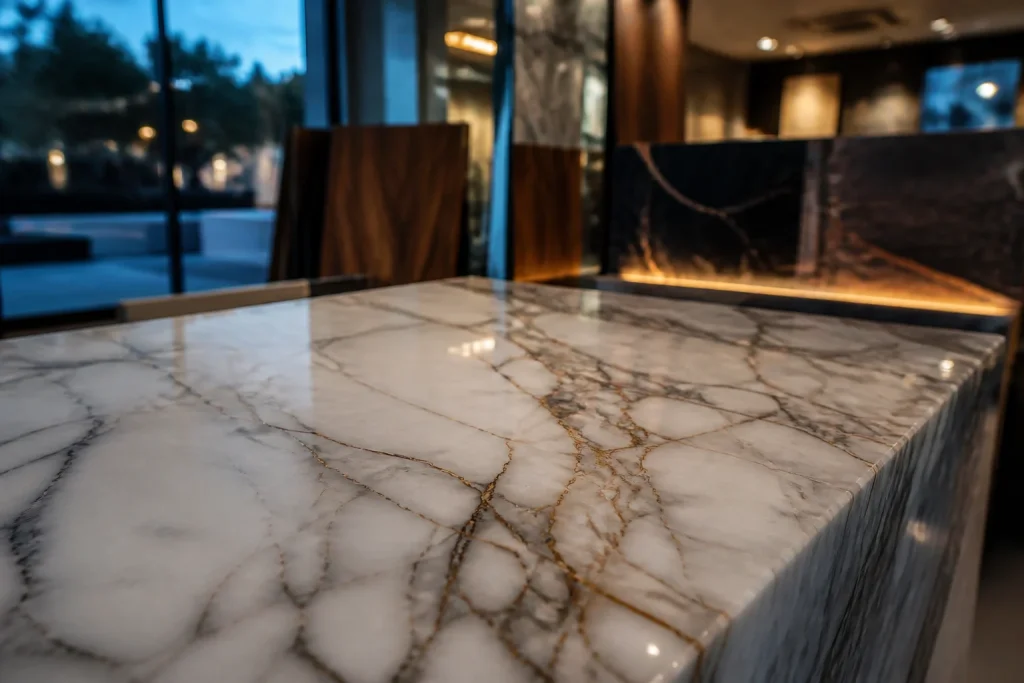
The cost of materials for luxury home building is primarily influenced by factors such as material rarity, brand prestige, advanced manufacturing processes, and global supply chain dynamics. For instance, exotic hardwoods like Brazilian cherry or high-grade Italian marble can command prices upwards of $50 per…
- The premium associated with luxury home building materials stems from a combination of intrinsic qualities and market forces.
- Beyond the initial expenditure, the true value of luxury building materials often lies in their long-term benefits, including enhanced property value, reduced maintenance, and superior energy efficiency.
- To truly maximize the investment in luxury home building, a holistic approach that considers both material selection and project execution is essential.
- Luxury materials are expensive due to their rarity, specialized extraction or manufacturing processes, and the brand prestige associated with them.
Understanding the Costs: What Influences Luxury Home Building Material Prices?
The cost of materials for luxury home building is primarily influenced by factors such as material rarity, brand prestige, advanced manufacturing processes, and global supply chain dynamics. For instance, exotic hardwoods like Brazilian cherry or high-grade Italian marble can command prices upwards of $50 per square foot, while custom-fabricated structural steel for unique architectural designs can add 15-20% to the framing budget compared to standard lumber. As of 2024, the demand for sustainable and smart home technologies also significantly impacts pricing, with integrated systems and eco-friendly materials often carrying a premium due to specialized production and limited availability. Homeowners seeking bespoke finishes and cutting-edge performance should anticipate these elements driving material costs substantially higher than conventional construction.
What Drives the Premium in Luxury Home Building Materials?
The premium associated with luxury home building materials stems from a combination of intrinsic qualities and market forces. High-end materials often boast superior durability, aesthetic appeal, and performance characteristics that standard options cannot match. Consider natural stone, such as Carrara marble or granite, which offers unique veining and timeless elegance. These materials are quarried from specific global locations, requiring intricate extraction, cutting, and polishing processes. For example, a slab of Calacatta marble, renowned for its dramatic veining, can cost anywhere from $75 to $250 per square foot, reflecting its geological rarity and the specialized labor involved in its preparation. Similarly, architectural-grade glass, used for expansive windows or structural elements, undergoes rigorous tempering and lamination to meet stringent safety and energy efficiency standards, contributing to its higher price point compared to conventional window glass. This commitment to quality and exclusivity is a cornerstone of luxury construction.
Beyond raw material quality, brand reputation and advanced manufacturing techniques play a crucial role in pricing. Established brands in the luxury segment, such as Sub-Zero for kitchen appliances or Dornbracht for plumbing fixtures, invest heavily in research and development to deliver innovative features, exceptional performance, and distinctive designs. These products often incorporate proprietary technologies, precision engineering, and hand-finished details that elevate their functionality and aesthetic. For instance, a high-performance, integrated smart home system from Crestron or Control4 can represent a significant investment, often starting from $20,000 for basic automation and scaling upwards of $100,000 for comprehensive whole-home integration, including lighting, climate, security, and entertainment. The manufacturing of custom cabinetry, utilizing exotic veneers or specialized finishes, also involves skilled artisans and sophisticated machinery, further justifying the higher cost. These elements collectively contribute to the perception and reality of luxury, offering homeowners unparalleled comfort, convenience, and style.
Global supply chain complexities and market demand also exert considerable influence on luxury material prices. Many high-end materials, from rare wood species sourced from sustainable forests in Africa or South America to specialized metals like zinc or copper for roofing and cladding, are subject to international shipping costs, tariffs, and geopolitical factors. Fluctuations in global commodity markets, as observed with lumber prices in late 2020 and early 2021, can dramatically impact project budgets. Furthermore, the limited availability of certain bespoke materials or custom-fabricated components means that lead times can be extensive, sometimes several months, requiring meticulous project planning. For example, custom-milled European white oak flooring, a popular choice in luxury homes, might have a lead time of 12-16 weeks and cost upwards of $20 per square foot, excluding installation. The expertise required for sourcing, importing, and installing these specialized materials also adds to the overall project cost, reflecting the intricate network of suppliers and craftsmen involved in luxury home building and renovation.
Navigating the Investment: Understanding Value and Longevity
Beyond the initial expenditure, the true value of luxury building materials often lies in their long-term benefits, including enhanced property value, reduced maintenance, and superior energy efficiency. For example, high-performance insulation systems, such as closed-cell spray foam, can cost 2-3 times more than traditional fiberglass batts, but they offer significantly better thermal performance, potentially reducing heating and cooling costs by 30-50% annually. Over the lifespan of a home, these savings can offset the upfront premium, making them a sound financial decision. Similarly, durable exterior finishes like natural stone cladding or copper roofing, while expensive initially, require minimal maintenance and can last for decades, even centuries, without needing replacement, unlike painted siding or asphalt shingles that demand regular upkeep.
The aesthetic longevity and timeless appeal of luxury materials also contribute significantly to a property’s resale value. A home featuring bespoke architectural elements, premium fixtures, and enduring finishes is more likely to command a higher price in the market and attract discerning buyers. Consider a kitchen outfitted with professional-grade appliances, custom millwork, and a large island topped with a rare quartzite slab. Such features not only enhance daily living but also serve as powerful selling points, signaling quality and sophistication. In contrast, homes built with standard-grade materials may show wear and tear more quickly, necessitating renovations that detract from their market appeal and require additional investment down the line.
The Role of Craftsmanship and Installation Expertise
The inherent value of luxury materials is fully realized only when paired with exceptional craftsmanship and specialized installation expertise. Many high-end materials, such as large format porcelain tiles, intricate mosaic patterns, or custom metalwork, demand highly skilled artisans and precise techniques for proper installation. A master stonemason, for instance, possesses the knowledge to select, cut, and lay natural stone with meticulous attention to detail, ensuring perfect alignment and seamless transitions. This level of skill commands a premium, often adding 20-40% to the material cost for complex installations, but it is essential for achieving the desired aesthetic and structural integrity.
Improper installation can compromise the performance and appearance of even the most expensive materials, leading to costly repairs or premature failure. For example, incorrect waterproofing techniques for a luxury bathroom featuring a steam shower and elaborate tile work can result in leaks, mold growth, and extensive damage, negating the investment in premium finishes. Therefore, selecting experienced contractors and specialized tradespeople who have a proven track record with luxury materials is paramount. Their expertise ensures that each component is handled, prepared, and installed according to manufacturer specifications and industry best practices, preserving the material’s beauty and functionality for years to come.
The selection of materials also has a profound impact on a home’s environmental footprint and long-term operational costs. Sustainable luxury materials, such as reclaimed wood, bamboo flooring, or recycled glass countertops, often come with a higher initial price tag due to specialized processing and certification requirements. For instance, FSC-certified reclaimed oak beams might cost 30-50% more than newly harvested lumber, reflecting the labor-intensive process of salvaging, cleaning, and preparing the wood. However, these materials contribute to a healthier indoor environment by reducing off-gassing of volatile organic compounds (VOCs) and can significantly lower energy consumption over time. A home designed with passive solar principles and insulated with advanced materials like structural insulated panels (SIPs) can achieve near net-zero energy status, drastically cutting utility bills. As of 2024, the market for such eco-conscious options continues to grow, driven by both consumer demand and evolving building codes, further solidifying their place in luxury construction.
Furthermore, the integration of smart home technologies, while a significant upfront investment, offers unparalleled convenience, security, and efficiency. Systems that automate lighting, climate control, security, and entertainment can optimize energy usage, enhance safety, and provide a seamless living experience. For example, a comprehensive smart lighting system from Lutron, capable of dynamic scene setting and remote control, can cost upwards of $15,000 for a medium-sized luxury home, but it can extend bulb life and reduce electricity consumption by intelligently managing illumination. Similarly, advanced security systems with integrated cameras, motion sensors, and remote monitoring capabilities provide peace of mind and can deter potential threats. These technological enhancements are not merely luxuries; they are integral components that contribute to the overall functionality, comfort, and future-proofing of a high-end residence, making them a worthwhile investment for discerning homeowners.
Maximizing Your Investment in Luxury Home Building
To truly maximize the investment in luxury home building, a holistic approach that considers both material selection and project execution is essential. Engaging with experienced architects, interior designers, and builders who specialize in high-end residential projects is crucial. These professionals bring invaluable expertise in material sourcing, design integration, and construction management, ensuring that every element aligns with the homeowner’s vision and budget. For example, an architect with a deep understanding of sustainable design can recommend innovative materials and building techniques that reduce environmental impact while enhancing aesthetic appeal and long-term performance. Their guidance can help navigate the complexities of custom fabrication, ensuring that unique design elements, such as a cantilevered staircase or a bespoke water feature, are executed flawlessly.
Careful budgeting and contingency planning are also vital for luxury home building projects, where unexpected costs can arise due to the bespoke nature of materials and intricate designs. It is advisable to allocate a contingency fund of 10-15% of the total project cost to cover unforeseen challenges, such as material price fluctuations, specialized labor requirements, or design modifications. Transparent communication with the project team regarding budget constraints and priorities can help in making informed decisions about material choices and design elements. For instance, while a rare marble slab might be the preferred choice for a kitchen island, understanding the cost implications and exploring high-quality alternatives like premium quartz or granite can help manage expenses without compromising on aesthetic appeal or durability. A well-managed budget, coupled with expert guidance, ensures that the investment in luxury materials translates into a home that meets expectations for quality, beauty, and functionality.
Considering Future Trends and Technology Integration
As the landscape of luxury home building continues to evolve, staying abreast of future trends and technological advancements is key to ensuring a home remains relevant and valuable. The increasing emphasis on health and wellness within the home environment, for example, is driving demand for materials and systems that promote air quality, natural light, and biophilic design. Features like advanced air purification systems, circadian rhythm lighting, and indoor vertical gardens are becoming more prevalent, offering tangible benefits to occupants’ well-being. Furthermore, the rapid pace of innovation in smart home technology means that systems are becoming more intuitive, interconnected, and capable of learning homeowner preferences. Investing in scalable and upgradeable smart home infrastructure ensures that the property can adapt to future technological developments without requiring extensive overhauls. By anticipating these trends, homeowners can make strategic material and technology choices that enhance their living experience and safeguard their property’s long-term appeal and value in the competitive luxury market.
Bottom Line: The cost of luxury home building materials is driven by rarity, brand prestige, advanced manufacturing, and supply chain dynamics, but these investments yield long-term benefits in durability, efficiency, and property value when paired with expert craftsmanship.
Frequently Asked Questions
What makes some luxury materials so expensive?
Luxury materials are expensive due to their rarity, specialized extraction or manufacturing processes, and the brand prestige associated with them. Unique geological formations for stones or intricate hand-finishing for fixtures significantly increase their cost.
Do luxury materials increase home value?
Yes, luxury materials can significantly increase home value. Their superior durability, aesthetic appeal, and timeless quality enhance a property’s market desirability and command higher resale prices compared to homes built with standard materials.
How do sustainable luxury materials impact costs?
Sustainable luxury materials often have a higher initial cost due to specialized sourcing, processing, and certification. However, they can lead to long-term savings through reduced energy consumption and lower maintenance, contributing to a healthier home environment.
Is professional installation crucial for luxury materials?
Absolutely. Professional installation by skilled artisans is crucial for luxury materials. Improper installation can compromise their performance, appearance, and longevity, potentially leading to costly repairs and negating the initial investment.