
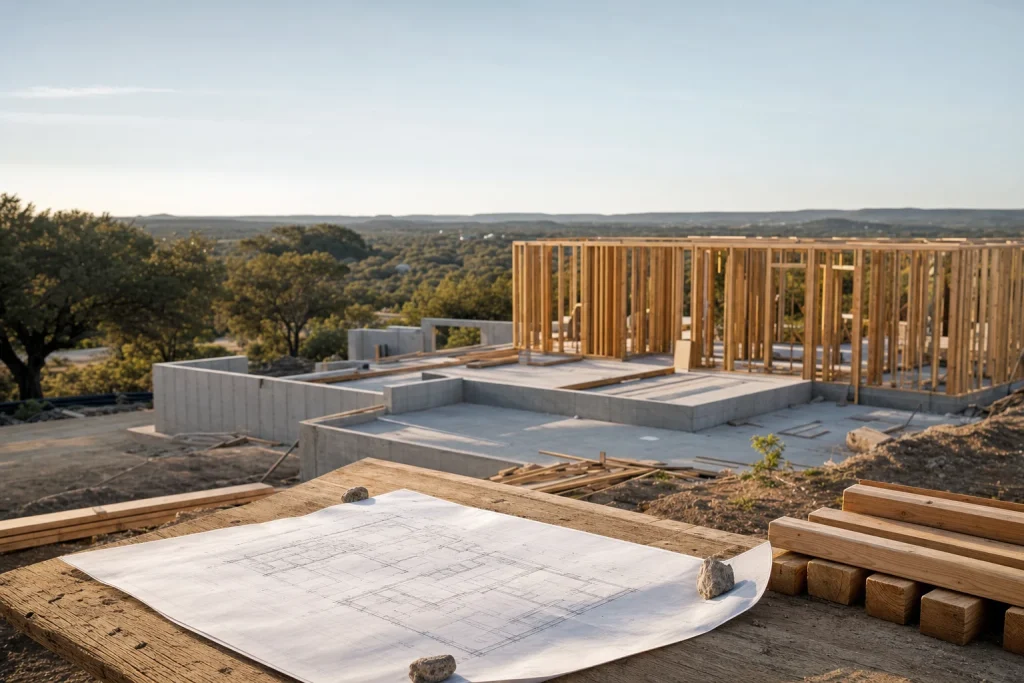
For a luxury home building project in Texas, typical payment schedules are structured around key construction milestones, ensuring funds are released as work progresses and is verified. Generally, clients can expect an initial deposit of 10-20% of the total project cost, followed by a series…
- The initial deposit, typically 10-20% of the total project cost, serves several critical functions beyond simply securing the builder's services.
- Following the initial deposit, progress payments are meticulously tied to the achievement of specific construction milestones.
- Understanding the intricacies of payment schedules and verification processes is paramount for any homeowner embarking on a luxury home building journey.
- The initial deposit for a luxury home building project in Texas typically ranges from 10-20% of the total project cost.
What are the Typical Payment Schedules for a Luxury Home Building in Texas?
For a luxury home building project in Texas, typical payment schedules are structured around key construction milestones, ensuring funds are released as work progresses and is verified. Generally, clients can expect an initial deposit of 10-20% of the total project cost, followed by a series of progress payments, often ranging from 5-15% at stages such as foundation completion, framing, rough-ins (electrical, plumbing, HVAC), drywall installation, exterior finishes, interior trim, and final completion. This phased approach, common across the Dallas-Fort Worth (DFW) area, protects both the homeowner and the builder, aligning financial disbursements with tangible progress and quality checks, which is crucial for managing the significant investment involved in a high-end custom residence.
UNDERSTANDING THE INITIAL DEPOSIT AND ITS PURPOSE
The initial deposit, typically 10-20% of the total project cost, serves several critical functions beyond simply securing the builder’s services. This upfront payment allows the builder to cover initial mobilization costs, which include obtaining necessary permits, conducting preliminary site work, ordering long-lead time materials, and engaging specialized subcontractors for early-stage tasks. For instance, in a high-end custom build near Austin, this deposit might fund the detailed architectural and engineering reviews required by local ordinances, or secure a specific lot preparation crew known for handling challenging terrain.
Furthermore, the deposit acts as a commitment from the homeowner, demonstrating financial readiness and serious intent to proceed with a significant investment. This mutual commitment fosters a strong working relationship from the outset. It ensures that the builder can allocate resources confidently, knowing that the project has a solid financial foundation. Without this initial capital, builders would face substantial out-of-pocket expenses before any tangible construction begins, which is impractical for projects of this scale and complexity.
PROGRESS PAYMENTS AND MILESTONE VERIFICATION
Following the initial deposit, progress payments are meticulously tied to the achievement of specific construction milestones. Each payment is released only after the corresponding work stage has been completed and, crucially, verified. This verification process often involves inspections by the homeowner, their representative (such as an independent construction consultant), and sometimes municipal inspectors, ensuring that the work meets both contractual specifications and local building codes. For example, a payment for “foundation completion” would typically require the concrete to be poured, cured, and inspected for structural integrity before funds are disbursed.
The structure of these payments is designed to align the builder’s cash flow with the actual progress of the build, preventing either party from being over-extended. A common schedule might see payments triggered by the completion of the structural framing, followed by rough-ins for plumbing, electrical, and HVAC systems. Subsequent payments would then align with drywall installation, exterior cladding, and interior finishes like cabinetry and flooring. This systematic approach provides transparency and accountability, which are paramount in luxury home construction where the stakes are high and quality expectations are exacting.
THE ROLE OF INSPECTIONS IN PAYMENT RELEASES
Inspections are an integral part of the progress payment system. Before a payment is released for a particular milestone, a thorough inspection confirms that the work has been completed to the agreed-upon standards and specifications. This can involve multiple layers of review. For instance, after the framing is complete, a city inspector will verify compliance with structural codes, and the homeowner or their representative will assess the quality of the workmanship against the architectural plans. Only upon satisfactory completion and approval from these various parties will the payment be authorized.
This rigorous verification process protects the homeowner by ensuring that they are paying for completed, quality work, rather than simply funding a builder’s operational costs without tangible progress. It also provides the builder with clear benchmarks for payment, motivating them to maintain a high standard of work and adhere to the project timeline. In a typical scenario for a luxury home in Houston, the “rough-in” payment might only be released after all electrical wiring, plumbing pipes, and HVAC ductwork are installed, pressure-tested, and approved by both city inspectors and the homeowner’s independent quality assurance team.
This meticulous approach to payment release, contingent on verified progress, is particularly vital in the luxury home building sector where custom features and high-end materials are standard. For instance, a bespoke kitchen with imported stone countertops and professional-grade appliances represents a significant investment. The payment associated with “interior finishes” would not be released until these elements are not only installed but also thoroughly inspected for quality, functionality, and adherence to the precise design specifications. This could involve checking the alignment of custom cabinetry, the flawless installation of intricate tile work, and the proper operation of all integrated smart home technologies. The involvement of third-party inspectors, often required by lenders or insurance providers, adds another layer of scrutiny, ensuring that all work meets stringent industry benchmarks and local regulatory requirements before funds are disbursed. This multi-layered verification process minimizes risks for the homeowner and reinforces the builder’s commitment to delivering an exceptional product.
Furthermore, the inspection process extends beyond mere structural or aesthetic checks; it often includes performance testing for various systems. For example, after the HVAC rough-ins are complete, a payment might be contingent on a preliminary system test to ensure proper airflow and temperature regulation, even before the final units are installed. Similarly, plumbing rough-ins might require pressure testing to detect any leaks before walls are closed up. This proactive approach to quality assurance helps identify and rectify potential issues early in the construction process, preventing costly delays and rework down the line. In a high-value luxury home building project in Texas, where the average cost can easily exceed $1 million, such preventative measures are not just good practice—they are essential for protecting the homeowner’s investment and ensuring the long-term integrity and performance of the residence. This systematic verification ensures that every dollar paid corresponds directly to tangible, high-quality progress on the site.
Navigating the Financial Journey of Your Luxury Home Building Project
Understanding the intricacies of payment schedules and verification processes is paramount for any homeowner embarking on a luxury home building journey. This knowledge empowers clients to engage more effectively with their builders, ask informed questions, and ensure that their significant investment is managed transparently and efficiently. A clear, detailed contract outlining each milestone and its corresponding payment percentage is the cornerstone of this process. For example, a contract might specify that 10% of the project cost is due upon roof installation, following a successful inspection for waterproofing and structural integrity. This level of detail prevents ambiguity and provides a clear roadmap for financial disbursements throughout the construction timeline. Homeowners should also be aware that while typical percentages exist, these can be negotiated based on project complexity, builder’s standard practices, and specific material procurement needs. For instance, a home requiring extensive custom millwork or specialized foundation work might have slightly adjusted payment percentages for those particular stages to accommodate higher upfront material or labor costs.
Beyond the contractual framework, maintaining open communication with your builder is crucial. Regular site visits, coupled with scheduled progress meetings, allow homeowners to visually verify milestones and discuss any concerns before payments are due. This proactive engagement fosters trust and ensures that both parties are aligned on the project’s trajectory. For a luxury home building project in a rapidly growing area like Dallas, where skilled labor and premium materials are in high demand, effective communication can also help manage expectations regarding potential minor adjustments to the schedule or material availability. Furthermore, considering the engagement of an independent construction consultant or owner’s representative can provide an additional layer of oversight. This professional can review progress, interpret technical specifications, and advocate on the homeowner’s behalf during inspections and payment approvals, adding an expert perspective to the verification process. Their expertise can be invaluable in ensuring that every aspect of the build, from the initial groundbreaking to the final touches, meets the exacting standards expected of a luxury residence.
What to Consider Before Committing to a Luxury Home Building Schedule
Before signing a contract for your luxury home building project, it is essential to thoroughly review the proposed payment schedule and understand its implications. Look for a schedule that is clearly itemized, with specific milestones tied to measurable progress rather than arbitrary dates. A well-structured schedule will typically allocate larger percentages to stages involving significant material and labor costs, such as the foundation, framing, and interior finishes. For example, if a builder proposes a large payment for “general construction” without breaking it down into verifiable stages, this could be a red flag. Instead, seek clarity on how each payment aligns with tangible work completed on site. It is also wise to inquire about the builder’s policy on change orders and how they might impact the payment schedule. Unexpected modifications, while common in custom builds, should have a clear process for approval and financial adjustment to avoid disputes. Understanding these nuances upfront can save considerable stress and potential financial complications during the construction of your dream home.
Another critical consideration is the builder’s financial stability and reputation. Inquire about their experience with luxury home building projects specifically, and ask for references from previous clients. A reputable builder will be transparent about their financial practices and willing to provide detailed explanations of their payment structure. For instance, a builder with a long track record in the Houston luxury market might have established relationships with suppliers that allow for more favorable material pricing, which could indirectly influence the payment schedule by ensuring timely procurement. Additionally, confirm that the builder carries appropriate insurance, including general liability and worker’s compensation, to protect against unforeseen circumstances. A builder who is financially sound and well-insured provides greater peace of mind, knowing that your project is in capable hands. This due diligence before commitment is a vital step in safeguarding your investment and ensuring a smooth, successful luxury home building experience.
Bottom Line: Typical payment schedules for luxury home building in Texas involve an initial deposit followed by progress payments tied to verified construction milestones, ensuring financial disbursements align with tangible work completed and inspected.
Frequently Asked Questions
What is the typical initial deposit for a luxury home build in Texas?
The initial deposit for a luxury home building project in Texas typically ranges from 10-20% of the total project cost. This payment covers initial mobilization expenses like permits, site work, and securing long-lead time materials, demonstrating the homeowner’s commitment.
How are progress payments determined in luxury home construction?
Progress payments are meticulously tied to specific construction milestones, such as foundation completion, framing, rough-ins, and drywall installation. Each payment is released only after the corresponding work stage has been completed and verified through inspections by the homeowner, their representative, and municipal authorities.
Why are inspections crucial for payment releases?
Inspections are crucial because they verify that work has been completed to agreed-upon standards and specifications before a payment is released. This process protects the homeowner by ensuring they pay for quality, completed work, and provides builders with clear benchmarks for payment, motivating high standards.