
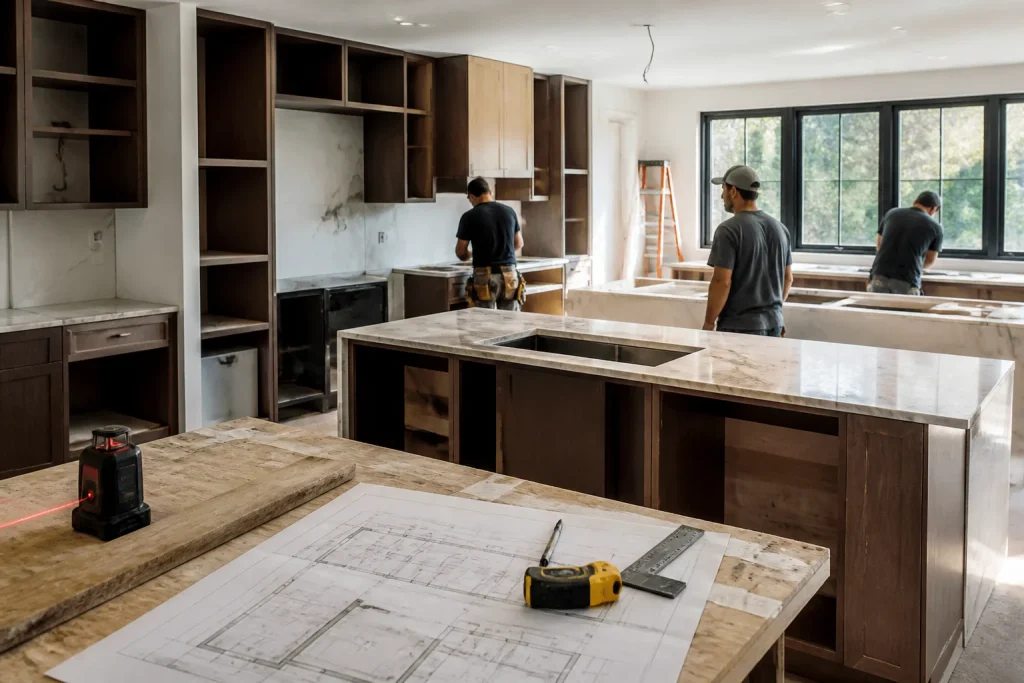
Luxury home renovation FAQs often revolve around budgeting, timelines, design choices, and selecting the right professionals. Typically, a high-end renovation project can range from six months to over a year, depending on its scope and complexity.
- Embarking on a luxury home renovation requires meticulous planning to ensure the project aligns with your vision and budget.
- Luxury home renovations, while rewarding, often present unique challenges that require proactive management.
- Ensuring unparalleled quality and craftsmanship is paramount in a luxury home renovation, distinguishing it from standard projects.
- A luxury home renovation typically takes six months to over a year, depending on the project's scope and complexity.
Luxury Home Renovation Faqs
Luxury home renovation FAQs often revolve around budgeting, timelines, design choices, and selecting the right professionals. Typically, a high-end renovation project can range from six months to over a year, depending on its scope and complexity. For instance, a full-scale remodel of a 5,000-square-foot property in a desirable urban area, involving structural changes, custom millwork, and high-end finishes like imported marble and smart home integration, could easily extend beyond 12 months. Budgeting for such projects usually starts at $200 per square foot and can exceed $1,000 per square foot for bespoke, architect-led designs, as of 2024. Key considerations include understanding the permitting process, which can add several weeks to the initial phase, and anticipating potential unforeseen structural issues in older homes, which might necessitate contingency funds of 10-20% of the total budget. Engaging experienced architects and builders specializing in luxury properties is crucial for navigating these complexities and ensuring a seamless execution that aligns with discerning aesthetic and functional requirements.
What Are the Initial Steps for Planning a Luxury Home Renovation? luxury home renovation FAQs
Embarking on a luxury home renovation requires meticulous planning to ensure the project aligns with your vision and budget. The very first step involves clearly defining your objectives and desired outcomes. Are you aiming to enhance specific areas like a gourmet kitchen or a spa-like master bathroom, or is it a comprehensive overhaul of the entire property? For example, a homeowner in a high-value real estate market might seek to increase property value by adding a state-of-the-art home theater and a wine cellar, while another might prioritize sustainable living with energy-efficient systems and natural, high-quality materials. Documenting these aspirations, perhaps through mood boards or detailed wish lists, helps articulate your vision to potential design and construction teams. This initial clarity is paramount, as it forms the foundation for all subsequent decisions and helps prevent costly changes down the line.
Once your vision is established, the next critical step is assembling your professional team. This typically includes an architect, an interior designer, and a general contractor specializing in luxury projects. For instance, if your renovation involves significant structural modifications or an entirely new layout, an experienced architect is indispensable for translating your ideas into detailed blueprints and ensuring structural integrity. An interior designer, on the other hand, will focus on aesthetics, material selection, and spatial flow, ensuring every detail from custom cabinetry to lighting fixtures contributes to the overall luxurious ambiance. Many high-end projects benefit from a design-build firm that integrates these roles, streamlining communication and accountability. Interviewing multiple candidates, reviewing their portfolios of similar luxury projects, and checking references are essential to finding a team whose expertise and aesthetic align with your expectations.
Developing a realistic budget and timeline follows the team selection. Luxury renovations are significant investments, and understanding the financial scope upfront is vital. A detailed budget should account for design fees, material costs (which can vary wildly for bespoke items), labor, permits, and a contingency fund, typically 15-20% of the total project cost, to cover unforeseen issues. For example, renovating an older home might uncover outdated electrical systems or plumbing, necessitating unexpected upgrades. Regarding timelines, a comprehensive luxury renovation, even for a moderately sized property, rarely takes less than six months and can easily extend to a year or more, especially with custom orders and intricate installations. Setting clear expectations with your team about both financial parameters and project duration from the outset helps manage expectations and ensures a smoother process, minimizing stress and potential disputes.
What Are Common Challenges in Luxury Home Renovations and How Can They Be Mitigated?
Luxury home renovations, while rewarding, often present unique challenges that require proactive management. One frequent hurdle is managing unexpected structural or infrastructure issues, particularly in older, historic properties. For instance, a renovation project in a pre-war brownstone in New York City might uncover outdated knob-and-tube wiring, corroded plumbing, or even foundational weaknesses that were not apparent during initial inspections. Addressing these issues is non-negotiable for safety and longevity, but it can significantly impact both the budget and timeline. Mitigation strategies include thorough pre-renovation inspections by structural engineers and specialized contractors, and, as previously mentioned, allocating a substantial contingency fund (typically 15-20% of the total project cost) specifically for such unforeseen circumstances. Transparent communication between the homeowner and the renovation team is also crucial for swift decision-making when these issues arise.
Another common challenge involves the procurement and installation of bespoke or imported materials. High-end finishes, custom-fabricated elements, and rare materials often come with extended lead times, complex logistics, and potential for shipping delays or damage. Imagine sourcing a specific type of Italian marble for a kitchen countertop or commissioning custom cabinetry from a European artisan; these items can take months to arrive and require specialized installation techniques. To mitigate these delays, it is essential to finalize material selections early in the design phase and place orders well in advance. Working with a general contractor who has established relationships with international suppliers and a proven track record in managing complex logistics can also streamline the process. Detailed project scheduling that accounts for these extended lead times, including buffer periods, helps prevent cascading delays across the entire renovation.
Navigating the permitting and regulatory landscape can also pose a significant challenge, especially for projects involving historical preservation or extensive structural changes. Different municipalities have varying requirements, and obtaining necessary approvals can be a lengthy and intricate process. For example, a renovation in a designated historic district might require approval from a local architectural review board in addition to standard building permits, adding several weeks or even months to the initial project phase. Engaging an architect or general contractor with extensive experience in local permitting processes and a strong understanding of relevant building codes is invaluable. They can help prepare comprehensive documentation, anticipate potential roadblocks, and liaise with regulatory bodies on your behalf, ensuring compliance and minimizing delays.
How Do You Ensure Quality and Craftsmanship in a Luxury Renovation?
Ensuring unparalleled quality and craftsmanship is paramount in a luxury home renovation, distinguishing it from standard projects. This begins with the meticulous selection of your professional team. Assembling a team comprising an architect, interior designer, and general contractor who all specialize in high-end projects and have a demonstrable portfolio of similar work is the foundational step. Their expertise in luxury materials, bespoke finishes, and intricate construction techniques is non-negotiable. For instance, a contractor specializing in luxury homes will have a network of skilled artisans—such as master carpenters for custom millwork, experienced stonemasons for intricate tile installations, and specialized electricians for smart home systems—who can execute complex designs with precision and attention to detail.
Beyond team selection, clear and comprehensive documentation is vital. Detailed architectural drawings, precise specifications for all materials and finishes, and a well-defined scope of work leave no room for ambiguity. For example, specifying the exact grade of wood for custom flooring, the precise finish for hardware, or the specific brand and model for integrated appliances ensures that the final product meets the highest standards. Regular site visits and quality control checks by the architect, designer, and homeowner throughout the construction process are also critical. These inspections allow for early identification and rectification of any deviations from the approved plans or quality standards, preventing costly rework later on. A typical homeowner might conduct weekly walk-throughs with the project manager to review progress and address any concerns promptly.
Finally, the use of superior materials and advanced construction techniques inherently contributes to quality and craftsmanship. Luxury renovations often involve materials like rare hardwoods, natural stone, custom-fabricated metals, and state-of-the-art smart home technologies. These materials not only elevate the aesthetic but also offer enhanced durability and performance. Furthermore, employing advanced construction methods, such as precision framing, soundproofing, and integrated climate control systems, ensures structural integrity, comfort, and longevity. A reputable luxury builder will also stand behind their work with comprehensive warranties, providing peace of mind that the investment is protected and any post-completion issues will be addressed promptly and professionally.
What Are the Latest Trends in Luxury Home Renovations?
Staying abreast of the latest trends is essential for a luxury home renovation that remains timeless yet contemporary. As of 2024, several key trends are shaping high-end residential projects. One prominent trend is the integration of advanced smart home technology, moving beyond basic automation to truly intuitive and personalized systems. This includes sophisticated climate control that learns occupant preferences, integrated security systems with AI-powered monitoring, and seamless whole-home audio-visual setups. For example, a homeowner might desire a system that automatically adjusts lighting and temperature based on natural light levels and occupancy, or a kitchen equipped with smart appliances that can be controlled remotely. These integrations are not just about convenience; they enhance efficiency, security, and overall living comfort, becoming an expected feature in modern luxury properties.
Another significant trend is the emphasis on wellness and biophilic design. Luxury homeowners are increasingly seeking to create sanctuaries that promote health and well-being. This translates into features like dedicated home gyms with professional-grade equipment, spa-inspired bathrooms with steam showers, infrared saunas, and chromotherapy lighting, and meditation rooms. Biophilic design elements, which connect occupants to nature, are also gaining traction. This involves incorporating natural light, living walls, indoor gardens, and materials like natural wood and stone to foster a sense of calm and reduce stress. A project might include expansive floor-to-ceiling windows to maximize natural light and views, or a master bathroom designed with a large soaking tub overlooking a private, meticulously landscaped garden, blurring the lines between indoor and outdoor spaces.
Sustainability and energy efficiency continue to be paramount in luxury renovations. Discerning homeowners are not only interested in aesthetic appeal but also in the environmental impact and long-term operational costs of their homes. This trend manifests in the adoption of high-performance building envelopes, solar panel installations, geothermal heating and cooling systems, and advanced water recycling solutions. The selection of sustainable, ethically sourced materials, such as reclaimed wood, recycled glass countertops, and low-VOC paints, is also a key consideration. For instance, a renovation might involve upgrading to triple-pane windows for superior insulation, installing a rainwater harvesting system for irrigation, or integrating a smart energy management system that optimizes consumption. These choices not only reduce the carbon footprint but also contribute to significant savings on utility bills over the lifespan of the property, adding tangible value.
What to Consider Before Embarking on Your Luxury Renovation Journey
Embarking on a luxury home renovation is a significant undertaking that requires careful consideration and preparation. Before committing to such a project, it is crucial to assess your long-term living plans. A renovation is an investment, and understanding how long you intend to reside in the property will influence the scope and personalization of the project. If you envision staying in the home for many years, you might opt for highly personalized features and bespoke designs that cater specifically to your lifestyle, even if they don’t offer the broadest appeal for resale. Conversely, if you anticipate moving within five to ten years, focusing on upgrades that enhance property value and appeal to a wider range of potential buyers, such as updated kitchens and bathrooms with classic, high-end finishes, might be a more strategic approach. This foresight helps align your renovation goals with your financial and lifestyle objectives.
Another vital consideration is the potential disruption to your daily life during the renovation process. Luxury renovations, especially comprehensive ones, can be lengthy and intrusive. Living in a construction zone, even a high-end one, can be challenging. You might need to arrange for temporary accommodation, particularly for projects involving major structural changes, kitchen or bathroom overhauls, or extensive dust and noise. Planning for this disruption, including budgeting for temporary housing or alternative living arrangements, is crucial for maintaining comfort and minimizing stress. Discussing the project timeline and potential impact on your living situation with your general contractor upfront will help set realistic expectations and allow you to make necessary arrangements, ensuring a smoother experience for you and your family.
Finally, understanding the ongoing maintenance and operational costs associated with your newly renovated luxury home is essential. While a renovation enhances aesthetics and functionality, it can also introduce new systems and materials that require specific care. For example, a smart home system might require periodic software updates or specialized technical support, and high-end finishes like natural stone or custom wood cabinetry may need particular cleaning products or professional maintenance to preserve their appearance. Factoring these long-term costs into your overall financial planning ensures that the enjoyment of your renovated home is sustainable. A thorough discussion with your architect and contractor about the maintenance requirements of proposed materials and systems will provide clarity and help you make informed decisions that align with your lifestyle and budget.
Preparing for Your Elevated Living Space
Embarking on a luxury home renovation is a journey toward transforming your living space into a bespoke sanctuary that reflects your unique taste and lifestyle. The key to a successful outcome lies in meticulous planning, assembling an expert team, and maintaining clear communication throughout the process. By addressing potential challenges proactively and prioritizing quality and craftsmanship, you can ensure your investment yields a home that is not only stunning but also enduring and perfectly suited to your needs.
Bottom Line: A luxury home renovation requires careful planning, a skilled professional team, and a robust budget with contingencies to navigate complexities and achieve a high-quality, personalized outcome that enhances both lifestyle and property value.
Frequently Asked Questions
How long does a typical luxury home renovation take?
A luxury home renovation typically takes six months to over a year, depending on the project’s scope and complexity. Factors like structural changes, custom orders, and permitting processes can extend timelines significantly, requiring careful scheduling and patience.
What is a realistic budget for a high-end renovation?
Budgeting for a high-end renovation usually starts at $200 per square foot and can exceed $1,000 per square foot for bespoke, architect-led designs. It’s crucial to include a 15-20% contingency fund for unforeseen issues, especially in older properties.
Why is a professional team crucial for luxury renovations?
A professional team, including an architect, interior designer, and general contractor specializing in luxury projects, is crucial because they possess the expertise in high-end materials, complex logistics, and intricate craftsmanship needed to execute a discerning vision and ensure structural integrity.