
Building a luxury home involves a complex financial landscape, with costs typically ranging from $400 to over $1,000 per square foot, depending on location, material selections, and custom features. This comprehensive figure encompasses everything from land acquisition and architectural design to high-end finishes, advanced smart…
- The journey of constructing a luxury residence begins long before the first shovel breaks ground, with significant expenditures allocated to preliminary stages.
- Modern luxury homes are increasingly defined by their integration of advanced technological systems designed to enhance comfort, security, and efficiency.
- Beyond the tangible elements of construction, several other financial considerations play a pivotal role in the total cost of luxury home building.
- The cost per square foot is primarily influenced by location, the quality and rarity of selected materials, the complexity of architectural design, the extent of custom features, and the integration of advanced smart home and…
Understanding the True Cost: A Detailed Breakdown of Luxury Home Building Expenses
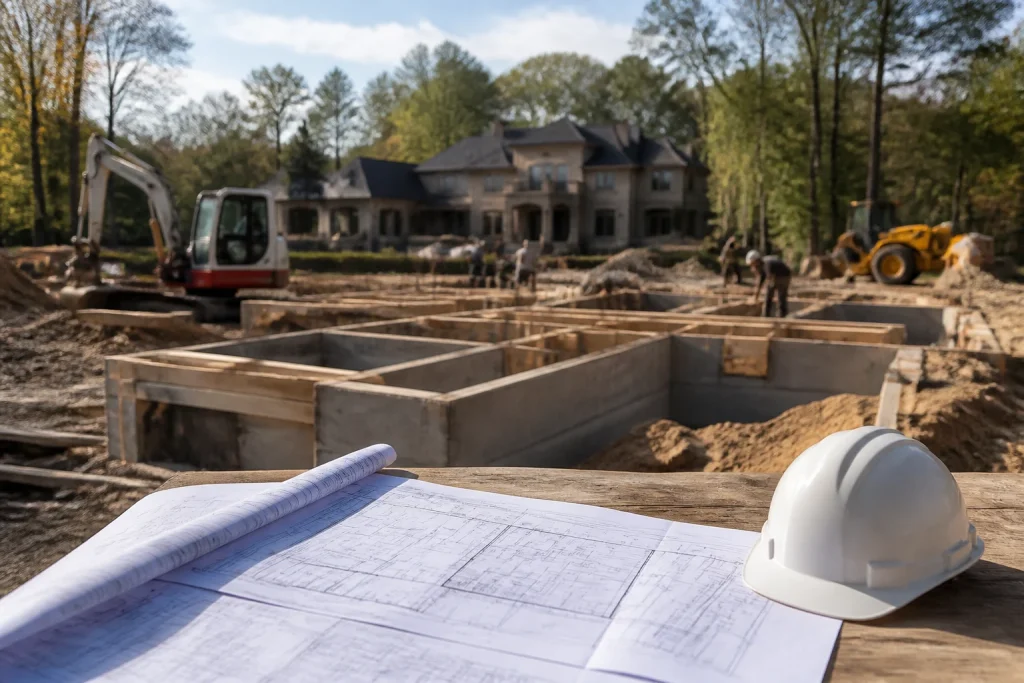
Building a luxury home involves a complex financial landscape, with costs typically ranging from $400 to over $1,000 per square foot, depending on location, material selections, and custom features. This comprehensive figure encompasses everything from land acquisition and architectural design to high-end finishes, advanced smart home technology, and extensive landscaping. For instance, a 5,000-square-foot luxury home in the DFW area could easily command a budget between $2 million and $5 million or more, reflecting the bespoke nature and superior craftsmanship inherent in luxury home building. Understanding these multifaceted expenses is crucial for effective project management and investment planning, ensuring that homeowners can make informed decisions throughout the construction process.
DECONSTRUCTING THE COST COMPONENTS
The journey of constructing a luxury residence begins long before the first shovel breaks ground, with significant expenditures allocated to preliminary stages. Land acquisition, for instance, is a foundational cost that varies dramatically based on location, views, and accessibility. A prime waterfront lot in Malibu will command a vastly different price than a sprawling acreage in a less developed exurb. Beyond the initial purchase, site preparation can involve substantial costs for grading, excavation, and the installation of essential utilities like water, sewer, and electricity, especially if the chosen parcel is undeveloped or presents challenging topography. These initial investments are critical and often dictate the overall scope and complexity of the subsequent construction phases.
Architectural and engineering fees represent another significant segment of the preliminary budget. Engaging a renowned architect specializing in luxury homes ensures a unique, functional, and aesthetically pleasing design tailored to the homeowner’s vision. These professionals not only create the blueprints but also navigate complex zoning laws and building codes, ensuring compliance. Structural engineers, civil engineers, and landscape architects also contribute their expertise, designing robust foundations, efficient drainage systems, and integrated outdoor living spaces. Their collective input is indispensable for a structurally sound and visually harmonious property, with their fees typically calculated as a percentage of the total construction cost, often ranging from 10% to 20% for highly customized projects.
MATERIAL SELECTION AND CRAFTSMANSHIP
The selection of materials is perhaps the most visible differentiator in luxury home building, directly impacting both the aesthetic appeal and the long-term value of the property. High-end natural stones such as imported marble, granite, or onyx are frequently chosen for countertops, flooring, and accent walls, offering unparalleled beauty and durability. Exotic hardwoods like Brazilian cherry or African wenge might be specified for custom cabinetry and flooring, providing rich textures and lasting elegance. Furthermore, specialized roofing materials, such as slate, copper, or clay tiles, offer superior longevity and curb appeal compared to standard asphalt shingles. These material choices are not merely about opulence; they are investments in quality, performance, and a timeless aesthetic that withstands the test of time.
Beyond the raw materials, the caliber of craftsmanship employed is paramount. Luxury homes are characterized by meticulous attention to detail and the skilled execution of complex designs. This includes custom millwork, intricate trim, hand-finished plaster, and bespoke metalwork. Artisans specializing in these fields bring years of experience and a dedication to perfection, ensuring that every joint is seamless, every finish is flawless, and every custom feature is executed precisely to specification. For example, a custom spiral staircase might involve hours of hand-carving and precise fitting, reflecting a level of artistry rarely found in standard construction. This commitment to superior craftsmanship elevates a house into a true work of art, justifying the higher labor costs associated with such specialized expertise.
ADVANCED SYSTEMS AND AMENITIES
Modern luxury homes are increasingly defined by their integration of advanced technological systems designed to enhance comfort, security, and efficiency. Smart home automation systems, for instance, allow homeowners to control lighting, climate, security cameras, and entertainment systems from a central interface or even remotely via a smartphone. These sophisticated networks can learn preferences, optimize energy consumption, and provide unparalleled convenience. High-efficiency HVAC systems, often zoned for individual control in different areas of the house, ensure optimal indoor air quality and temperature regulation while minimizing energy waste. The initial investment in these cutting-edge systems contributes significantly to the overall cost but delivers substantial long-term benefits in terms of lifestyle enhancement and operational savings.
The inclusion of bespoke amenities further distinguishes luxury properties. These can range from indoor swimming pools, home theaters with acoustically engineered rooms, and fully equipped gourmet kitchens with professional-grade appliances, to dedicated fitness centers, wine cellars, and elaborate outdoor living spaces complete with kitchens, fire pits, and intricate water features. Each of these additions requires specialized design, construction, and installation, often involving dedicated contractors and high-end materials. For example, a custom home theater might include soundproofing, tiered seating, and projection equipment comparable to commercial cinemas. These amenities are not just features; they are integral components of a lifestyle, meticulously planned and executed to meet the specific desires and expectations of the homeowner.
The integration of advanced security measures is also a hallmark of modern luxury home building. This extends beyond basic alarm systems to include sophisticated surveillance networks with high-resolution cameras, motion sensors, and remote monitoring capabilities. Biometric access control, such as fingerprint or facial recognition, can be implemented for enhanced entry security, while reinforced doors and windows offer additional protection. These systems are often seamlessly integrated with the overall smart home platform, providing homeowners with comprehensive control and peace of mind. According to a 2023 industry report on smart home technology, the average investment in integrated security systems for luxury residences has increased by approximately 15% year-over-year, reflecting a growing demand for robust protection in an increasingly connected world. This investment not only safeguards valuable assets but also contributes to a sense of well-being for the occupants.
Energy efficiency and sustainability are increasingly important considerations in luxury home building, influencing both design and material choices. Many high-end homes now incorporate features like solar panels, geothermal heating and cooling systems, and advanced insulation materials to minimize their environmental footprint and reduce long-term operating costs. Rainwater harvesting systems, greywater recycling, and drought-resistant landscaping are also common, reflecting a commitment to sustainable living. For example, a luxury home might feature triple-pane windows with low-emissivity coatings, significantly reducing heat transfer and improving thermal performance. These sustainable technologies, while adding to the initial construction cost, offer substantial savings on utility bills over the lifespan of the home and align with a growing global emphasis on ecological responsibility. The upfront investment in these green technologies typically sees a return within 7-10 years through reduced energy consumption, according to recent analyses by environmental building councils.
Navigating the Financial Landscape of Luxury Home Building
Beyond the tangible elements of construction, several other financial considerations play a pivotal role in the total cost of luxury home building. Permitting and regulatory fees, for instance, can be substantial, varying widely by municipality and the complexity of the project. These fees cover inspections, plan reviews, and compliance with local building codes, environmental regulations, and zoning ordinances. Engaging experienced legal counsel and permit expediters is often necessary to navigate this intricate process efficiently, avoiding costly delays. Additionally, insurance costs during construction are critical, protecting against unforeseen events like accidents, material theft, or natural disasters. A comprehensive builder’s risk policy is standard practice, safeguarding the significant investment throughout the construction timeline. These administrative and protective expenses, while not directly visible in the final structure, are indispensable for a smooth and secure building process.
Professional project management is another crucial, albeit often overlooked, cost component in luxury home building. A dedicated project manager oversees all aspects of the construction, from coordinating contractors and managing budgets to ensuring adherence to timelines and quality standards. Their expertise is invaluable in mitigating risks, resolving issues promptly, and maintaining clear communication among all stakeholders. For a complex luxury build, project management fees can range from 5% to 15% of the total construction cost, depending on the scope and duration. This investment ensures that the intricate details of a bespoke home are meticulously handled, preventing cost overruns and ensuring the final product aligns perfectly with the homeowner’s vision. As one veteran builder puts it, “A skilled project manager is the conductor of the orchestra; without them, even the finest musicians can create discord.” Their role is particularly vital in managing the numerous specialized trades involved in high-end construction.
Finally, the often-underestimated costs of interior design, furnishings, and post-construction landscaping can significantly impact the overall budget for a luxury home. While the structure itself might be complete, transforming it into a fully realized living space requires substantial additional investment. Engaging a professional interior designer ensures that the aesthetic vision is cohesive and functional, selecting bespoke furniture, lighting fixtures, window treatments, and art that complement the architectural style. Similarly, extensive landscaping, including mature trees, custom hardscaping, irrigation systems, and outdoor lighting, can add hundreds of thousands of dollars to the project. These elements are not mere afterthoughts; they are integral to creating the complete luxury experience, enhancing both the property’s appeal and its market value. For example, a comprehensive landscape design for a 5,000-square-foot property in a desirable area might easily exceed $150,000, reflecting the specialized design and installation required.
Maximizing Your Investment in a Luxury Home
To truly maximize the investment in a luxury home, prospective owners should focus on long-term value and strategic decision-making throughout the building process. Prioritizing timeless design over fleeting trends ensures that the home remains aesthetically relevant and desirable for decades. Investing in durable, high-quality materials not only enhances the property’s longevity but also reduces maintenance costs over time. Furthermore, incorporating flexible spaces that can adapt to changing needs, such as a room that can serve as both an office and a guest suite, adds practical value. Consider the resale market; while a luxury home is highly personalized, certain features and finishes have broader appeal. For instance, a well-designed gourmet kitchen or a spa-like master bathroom consistently rank high on buyer wish lists, according to a 2024 real estate market analysis. Thoughtful planning and a focus on enduring quality will ensure that the significant financial outlay translates into a lasting asset.
Engaging with experienced professionals from the outset is perhaps the most critical step in optimizing your luxury home building investment. This includes selecting an architect with a proven portfolio of high-end residences, a reputable builder known for quality craftsmanship, and specialized consultants for areas like smart home technology or landscape design. These experts bring invaluable knowledge, efficiency, and a network of skilled artisans, helping to avoid costly mistakes and ensuring the project stays on track. Their collective experience can guide material selections that offer the best balance of aesthetics, durability, and cost-effectiveness, and they can anticipate potential challenges before they arise. A collaborative approach with a trusted team not only streamlines the construction process but also ensures that every dollar spent contributes meaningfully to the creation of a truly exceptional and valuable property. This collaborative synergy is often cited by industry leaders as the primary driver of successful luxury projects.
Bottom Line: The true cost of luxury home building extends far beyond square footage, encompassing land, design, premium materials, advanced systems, and professional oversight, with total expenses typically ranging from $400 to over $1,000 per square foot depending on customization and location.
Frequently Asked Questions
What factors most influence the cost per square foot for a luxury home?
The cost per square foot is primarily influenced by location, the quality and rarity of selected materials, the complexity of architectural design, the extent of custom features, and the integration of advanced smart home and energy-efficient systems. Highly customized projects with exotic finishes will command higher prices.
How much should be budgeted for architectural and engineering fees?
For highly customized luxury homes, architectural and engineering fees typically range from 10% to 20% of the total construction cost. This covers design, blueprints, structural calculations, and compliance with local regulations, ensuring a unique and structurally sound residence.
Are sustainable features worth the extra investment in a luxury home?
Yes, sustainable features like solar panels or geothermal systems, while increasing initial costs, offer significant long-term benefits. They reduce utility bills, enhance indoor air quality, minimize environmental impact, and can increase the property’s resale value, often providing a return on investment within 7-10 years.
What role does a project manager play in luxury home construction?
A project manager is crucial for luxury home construction, overseeing all aspects from budget and schedule to quality control and contractor coordination. They ensure seamless execution, mitigate risks, and maintain communication among all parties, typically costing 5% to 15% of the total construction budget.