
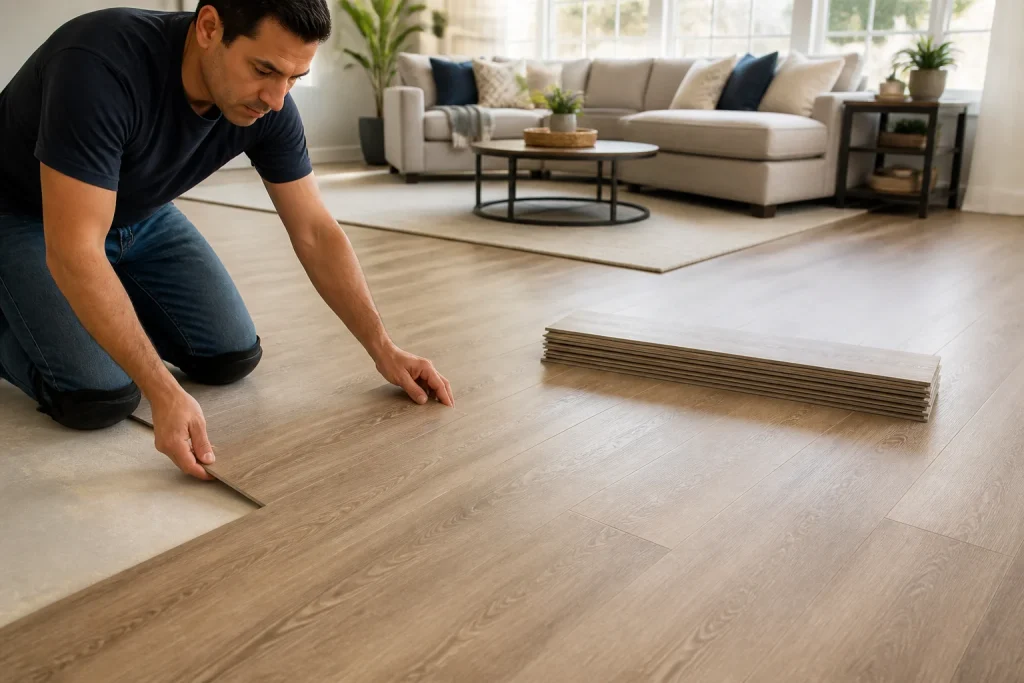
When preparing your home for sale, the most cost-effective flooring upgrades that significantly increase home value often involve refreshing existing hard surfaces or installing durable, universally appealing options like luxury vinyl plank (LVP) or engineered hardwood in key areas. For example, replacing worn carpet with…
- Prioritize high-traffic areas like living rooms and kitchens for flooring upgrades.
- Choosing the right flooring upgrade is a critical decision for homeowners looking to maximize their return on investment when selling.
- Beyond selecting the right materials, several strategic considerations can further enhance the return on investment from your flooring upgrades.
- Making informed decisions about flooring upgrades is a powerful lever for homeowners aiming to maximize their property's market appeal and financial return.
- Yes, Luxury Vinyl Plank (LVP) is an excellent investment for increasing home value.
What are the Most Cost-Effective Flooring Upgrades When Preparing Your Home for Sale?
When preparing your home for sale, the most cost-effective flooring upgrades that significantly increase home value often involve refreshing existing hard surfaces or installing durable, universally appealing options like luxury vinyl plank (LVP) or engineered hardwood in key areas. For example, replacing worn carpet with LVP in high-traffic living spaces can yield a strong return on investment, often recouping 70-80% of the cost, according to industry surveys from 2023. These strategic improvements enhance aesthetic appeal, improve functionality, and broaden buyer interest, making them some of the best upgrades to increase home value without overspending. Focus on areas that buyers scrutinize most, such as living rooms, kitchens, and primary bedrooms, ensuring a cohesive and clean look throughout the property.
Key Insights
- Prioritize high-traffic areas like living rooms and kitchens for flooring upgrades.
- Luxury Vinyl Plank (LVP) and engineered hardwood offer excellent durability and aesthetic appeal for their cost.
- Refinishing existing hardwood floors is often more cost-effective than full replacement and yields high returns.
- Neutral colors and timeless styles appeal to the broadest range of potential buyers.
- Ensure professional installation for a flawless finish that enhances perceived value.
Which Flooring Options Offer the Best Upgrades to Increase Home Value?
Choosing the right flooring upgrade is a critical decision for homeowners looking to maximize their return on investment when selling. The goal is to select materials that are not only durable and attractive but also align with current buyer preferences and the overall style of the home. For instance, in the Dallas-Fort Worth (DFW) area, where modern farmhouse and transitional styles are popular, flooring choices that complement these aesthetics tend to perform well. Luxury Vinyl Plank (LVP) has emerged as a frontrunner due to its exceptional versatility, water resistance, and ability to mimic natural wood or stone at a fraction of the cost. A typical LVP installation in a 1,000-square-foot living area might cost between $3,000 and $7,000, including materials and professional labor, yet it can significantly elevate the perceived value and appeal of a home, often contributing to a quicker sale. According to a national industry survey from 2024, LVP installations consistently rank among the top five interior renovations for ROI, often yielding returns upwards of 75%.
Engineered hardwood is another excellent choice, particularly for homes where solid hardwood might be cost-prohibitive or impractical due to moisture concerns. Unlike solid hardwood, engineered planks are constructed with multiple layers, including a real wood veneer on top, making them more stable and resistant to humidity fluctuations—a significant advantage in the varying Texas climate. While the initial investment for engineered hardwood can be higher than LVP, typically ranging from $6 to $12 per square foot for materials alone, its authentic wood appearance and durability resonate strongly with buyers seeking premium finishes. For a 1,500-square-foot home, installing engineered hardwood in main living areas could cost between $9,000 and $18,000. However, the perceived value and timeless elegance it adds can justify the expense, especially in luxury properties where buyers expect high-quality materials. As one veteran DFW real estate agent puts it, “Buyers often walk in and immediately notice the flooring. High-quality, well-maintained floors can set the tone for the entire home and significantly influence their offer.”
Beyond new installations, refinishing existing hardwood floors represents one of the most cost-effective strategies. If your home already features hardwood floors that are scratched, dull, or discolored, a professional refinishing job can restore their original luster for a fraction of the cost of replacement. This process typically involves sanding down the old finish, repairing minor imperfections, and applying new stain and protective coats. The cost for refinishing usually ranges from $3 to $5 per square foot, making it a highly attractive option for homeowners on a budget. For example, refinishing 1,000 square feet of hardwood could cost between $3,000 and $5,000, providing a dramatic aesthetic improvement that appeals to buyers who appreciate classic charm and natural materials. This approach not only saves money but also preserves the character of the home, which can be a strong selling point. Industry data from 2023 indicates that refinishing hardwood floors can yield an ROI of over 100% in some markets, as buyers often value the authenticity and longevity of real wood.
Strategic Considerations for Maximizing Flooring ROI
Beyond selecting the right materials, several strategic considerations can further enhance the return on investment from your flooring upgrades. One crucial aspect is maintaining consistency throughout the home. While it might be tempting to install premium flooring in only one or two rooms, a disjointed approach can detract from the overall appeal. Buyers often prefer a seamless transition between spaces, especially in open-concept layouts. For example, using the same LVP or engineered hardwood across the main living areas, hallways, and even the primary bedroom creates a cohesive flow that makes the home feel larger and more thoughtfully designed. This uniformity signals quality and attention to detail, which buyers are willing to pay a premium for.
Another key consideration is the condition of the subfloor. A perfectly installed new floor can still look uneven or develop issues if the underlying subfloor is not properly prepared. This often involves ensuring the subfloor is clean, dry, level, and free of any damage or squeaks. Addressing these foundational issues before installation prevents future problems and ensures the longevity and aesthetic integrity of the new flooring. While it might add a small percentage to the overall project cost, neglecting subfloor preparation can lead to costly repairs down the line and negatively impact buyer perception. A professional installer will typically assess the subfloor as part of their initial evaluation, providing recommendations for any necessary repairs or leveling.
Finally, consider the long-term maintenance and durability of your chosen flooring. While a floor might look appealing initially, its ability to withstand daily wear and tear, especially in homes with children or pets, is a significant factor for buyers. Materials like LVP are renowned for their scratch and water resistance, making them ideal for busy households. Engineered hardwood, with its robust construction, also offers excellent durability. High-quality materials that require minimal upkeep are a strong selling point, as they promise a hassle-free living experience for the new owners. Providing information on the flooring’s warranty and care instructions can also add value and build buyer confidence.
The Impact of Professional Installation on Perceived Value
The quality of installation plays an indispensable role in how buyers perceive the value of your flooring upgrades. Even the most expensive materials can look subpar if installed incorrectly, leading to visible seams, uneven planks, or gaps. Conversely, a flawless professional installation elevates the appearance of even moderately priced flooring, making it look more luxurious and well-executed. Professional installers possess the specialized tools, expertise, and experience to handle complex layouts, intricate cuts, and proper subfloor preparation, ensuring a finish that is both aesthetically pleasing and structurally sound.
For instance, in a typical 1,200-square-foot home, a DIY LVP installation might save a few hundred dollars on labor, but the risk of errors like misaligned planks or improper expansion gaps is high. These imperfections are often immediately noticeable to discerning buyers and can raise concerns about the overall quality of home maintenance. A professional installation, while an added expense, guarantees a precise fit, proper adhesion, and a smooth, level surface that enhances the home’s perceived value and prevents future issues. This attention to detail contributes significantly to a positive first impression, which is crucial for attracting competitive offers.
Moreover, professional installers often provide warranties on their workmanship, offering peace of mind to both the seller and the future buyer. This assurance of quality can be a subtle yet powerful selling point. When buyers see a perfectly installed floor, they infer that other aspects of the home have also been well-maintained and professionally cared for. This holistic perception of quality can translate into a higher offer and a quicker sale, making the investment in professional installation a wise decision for maximizing your return on investment.
This commitment to quality not only safeguards your investment but also significantly enhances the home’s marketability. Buyers are often more confident in making an offer when they perceive that the home has been meticulously cared for, and professional flooring installation is a clear indicator of such diligence. It minimizes the chances of future issues, which can be a major concern for new homeowners, thereby streamlining the sales process and potentially leading to a higher closing price. The subtle yet profound impact of a perfectly installed floor cannot be overstated in the competitive real estate market.
Unlocking Greater Home Value Through Thoughtful Flooring Choices
Making informed decisions about flooring upgrades is a powerful lever for homeowners aiming to maximize their property’s market appeal and financial return. It extends beyond merely selecting attractive materials; it involves a holistic strategy that considers durability, aesthetic cohesion, and professional execution. For example, a home in a humid climate like parts of Texas benefits immensely from moisture-resistant options such as LVP or engineered hardwood, which prevent warping and costly repairs down the line. This foresight resonates with buyers who are looking for a move-in ready home with minimal immediate maintenance concerns. According to a 2024 real estate market analysis, homes with recently updated, high-quality flooring tend to spend 15-20% less time on the market compared to those with outdated or worn floors, underscoring the direct correlation between flooring investment and sales velocity.
Furthermore, aligning your flooring choices with current design trends and local buyer preferences can significantly amplify your return. While personal taste is important, when selling, the goal is broad appeal. Neutral tones and classic patterns in materials like LVP or refinished hardwood offer a versatile backdrop that allows potential buyers to easily envision their own furnishings and style within the space. This universal appeal minimizes objections and broadens the pool of interested parties. A veteran home staging consultant often advises, “Flooring is the canvas of a home. A clean, modern, and durable canvas allows buyers to paint their own picture, making the home feel like ‘theirs’ from the moment they step inside.” This psychological aspect is invaluable in driving buyer engagement and competitive offers.
Considering the long-term implications of your flooring investment is also paramount. While some upgrades might offer immediate visual appeal, their ability to withstand the rigors of daily life is a key factor for discerning buyers. Opting for materials known for their longevity and ease of maintenance, such as high-grade LVP or properly sealed engineered hardwood, signals a well-cared-for home. This reduces the perceived future cost of ownership for buyers, making your property a more attractive proposition. For instance, a family with young children or pets will prioritize scratch-resistant and waterproof surfaces, and highlighting these features can be a strong selling point. This strategic approach ensures that your flooring upgrade not only looks good but also functions exceptionally, delivering enduring value that buyers recognize and appreciate.
Your Next Steps for a High-Impact Flooring Transformation
To embark on a successful flooring upgrade journey, begin by assessing your existing floors and identifying areas with the greatest potential for improvement. Gather quotes from at least three reputable local flooring professionals, ensuring they provide detailed breakdowns of material and labor costs, as well as timelines. Discuss subfloor preparation and warranty options thoroughly. Consider visiting local showrooms to see and feel different materials in person, paying attention to how they complement your home’s architectural style. Finally, prioritize consistency in material and color palette across main living areas to create a unified and expansive feel that appeals to a wide range of buyers.
Bottom Line: The most cost-effective flooring upgrades for increasing home value involve strategic choices like LVP, engineered hardwood, or refinishing existing hardwood, focusing on high-traffic areas with professional installation to ensure broad buyer appeal and a strong return on investment.
Frequently Asked Questions
Is LVP a good investment for increasing home value?
Yes, Luxury Vinyl Plank (LVP) is an excellent investment for increasing home value. It offers exceptional durability, water resistance, and aesthetic versatility, mimicking natural wood or stone at a lower cost. LVP consistently ranks high for ROI in interior renovations, appealing to a broad range of buyers.
How much does it cost to refinish hardwood floors?
Refinishing existing hardwood floors typically costs between $3 to $5 per square foot. This process is significantly more cost-effective than full replacement and can yield a high return on investment by restoring the original luster and appeal of natural wood, which buyers highly value.
Should I install the same flooring throughout my home?
Maintaining consistency in flooring across main living areas, hallways, and primary bedrooms is highly recommended. A seamless transition creates a cohesive, expansive feel that enhances the home’s perceived value and appeals to a broader range of potential buyers, signaling quality and thoughtful design.