
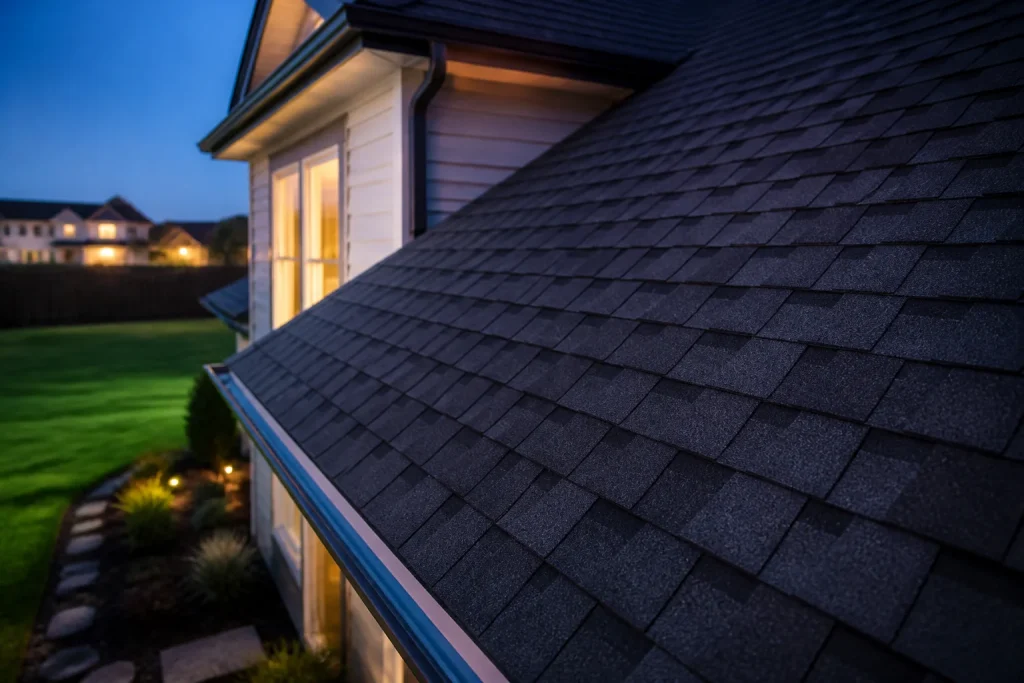
For many homeowners in Plano, TX, considering selling their property, the question of whether a new roof truly increases home value enough to justify the significant upfront cost is a common one. A new roof can indeed be one of the best upgrades to increase…
- A new roof offers a strong return on investment, typically 60-70%, by enhancing curb appeal and structural integrity.
- The return on investment (ROI) for a new roof is not a fixed percentage; it fluctuates based on several critical factors that influence both the cost of the project and the perceived value it adds…
- Distinguishing between a necessary roof replacement and a discretionary upgrade is crucial for homeowners looking to optimize their pre-sale investments.
- Beyond the initial installation, several strategic considerations can help homeowners maximize the return on their new roof investment.
- While a new roof is a significant asset, optimizing your home's value for sale involves a holistic approach to exterior enhancements.
Does a New Roof Really Increase Home Value Enough to Justify the Cost Before Selling?
For many homeowners in Plano, TX, considering selling their property, the question of whether a new roof truly increases home value enough to justify the significant upfront cost is a common one. A new roof can indeed be one of the best upgrades to increase home value, typically recouping between 60% to 70% of its cost at resale, according to industry surveys from 2024. While it may not offer a 100% return on investment, a well-maintained or new roof significantly enhances curb appeal, prevents costly structural issues, and provides peace of mind for potential buyers, often making a property more attractive and easier to sell in a competitive market. For instance, a typical 2,000 square foot home in the DFW area might see an average increase of $15,000 to $20,000 in perceived value with a new asphalt shingle roof, which often costs between $25,000 and $35,000 to install, depending on materials and complexity.
Key Insights
- A new roof offers a strong return on investment, typically 60-70%, by enhancing curb appeal and structural integrity.
- Beyond roofing, other exterior upgrades like landscaping, fresh paint, and updated entryways are also among the best upgrades to increase home value.
- The age and condition of your current roof are critical factors in determining the necessity and impact of a replacement.
- High-quality materials and professional installation are essential for maximizing both the aesthetic and functional benefits of any exterior renovation.
- Strategic upgrades should align with local market expectations and the overall value of your home to ensure cost-effectiveness.
What Factors Determine the Return on Investment for a New Roof?
The return on investment (ROI) for a new roof is not a fixed percentage; it fluctuates based on several critical factors that influence both the cost of the project and the perceived value it adds to your home. One primary factor is the condition of your existing roof. If your current roof is visibly deteriorating, leaking, or nearing the end of its lifespan (typically 20-25 years for asphalt shingles), a new roof transitions from an upgrade to a necessary repair. In such cases, the ROI can be substantial, as buyers often factor in the cost of immediate roof replacement when making an offer, or they may simply overlook properties with significant deferred maintenance. Conversely, replacing a relatively new roof that is in good condition might yield a lower ROI, as the incremental value added is less pronounced. For example, a home with a 15-year-old roof showing signs of wear might see a 70% ROI on a new roof, whereas a home with a 5-year-old roof in excellent shape might only see a 40% ROI.
Another significant factor is the type of roofing material chosen. While asphalt shingles are the most common and cost-effective, offering a solid ROI, premium materials like metal, tile, or slate can have varying impacts. Metal roofs, for instance, offer superior durability and energy efficiency, appealing to a niche market and potentially commanding a higher premium, though their initial cost is considerably higher. According to a 2023 report by Remodeling Magazine, a mid-range asphalt shingle roof replacement typically recoups about 61.7% of its cost, while a more upscale metal roof might see a slightly higher percentage return in certain markets, but from a much larger initial investment. The choice of material should align with the architectural style of your home and neighborhood standards. Installing a high-end slate roof on a modest suburban home might be an over-improvement that doesn’t fully translate into increased sale price, whereas it would be expected and valued in a luxury property in areas like Preston Hollow or Highland Park.
Finally, local market conditions and buyer expectations play a crucial role. In a seller’s market, where demand outstrips supply, buyers might be more forgiving of an older roof, though a new roof will still make your property stand out. In a buyer’s market, however, a new roof can be a significant differentiator, making your home more appealing and potentially reducing the time it spends on the market. Buyers in the Plano and DFW areas, particularly those seeking luxury properties, often prioritize move-in readiness and low maintenance. A new roof signals that a major expense has been taken care of, which is a strong selling point. Furthermore, the quality of installation and the reputation of the contractor, such as NovaStar Construction’s commitment to quality craftsmanship, can subtly influence perceived value. A warranty from a reputable installer can also add an extra layer of buyer confidence, contributing to a better overall ROI.
When is a New Roof a “Must-Have” Versus a “Nice-to-Have” for Sellers?
Distinguishing between a necessary roof replacement and a discretionary upgrade is crucial for homeowners looking to optimize their pre-sale investments. A new roof becomes a “must-have” when its current state poses immediate risks or significantly detracts from the property’s marketability. Obvious signs of severe deterioration, such as widespread missing shingles, significant sagging, visible water damage in the attic, or a roof that has surpassed its expected lifespan, fall into this category. In these situations, buyers will either demand a new roof as a condition of sale or drastically reduce their offer to cover the anticipated replacement cost, often overestimating the expense to build in a buffer. For example, if a home inspection reveals active leaks or structural compromise due to an aging roof, addressing this issue becomes non-negotiable to secure financing for most buyers, making it a critical repair rather than an optional enhancement.
Conversely, a new roof can be considered a “nice-to-have” when the existing roof, while not brand new, still has several years of life left and is performing its function adequately. Perhaps it’s 10-12 years old, shows some minor wear consistent with its age, but has no leaks or structural issues. In such scenarios, replacing it might still offer benefits like improved curb appeal and buyer confidence, but the immediate financial pressure is absent. The decision then shifts to a strategic one: will the aesthetic upgrade and peace of mind for buyers translate into a higher sale price or a quicker sale that justifies the expenditure? In a competitive market, a “nice-to-have” new roof can differentiate a property, but in a less active market, the ROI might be lower if the existing roof isn’t a deterrent. For instance, a home in Frisco with a 12-year-old architectural shingle roof in fair condition might not absolutely require replacement, but a new roof could help it stand out among similar properties with older roofs, potentially attracting offers closer to the asking price.
Maximizing Your Roof Investment: Strategic Considerations Beyond Installation
Beyond the initial installation, several strategic considerations can help homeowners maximize the return on their new roof investment. One often-overlooked aspect is the integration of energy-efficient roofing materials or technologies. “Cool roofs,” for example, use reflective paints, sheets, or tiles to reduce heat absorption, which can significantly lower cooling costs in hot climates like North Texas. While the upfront cost might be slightly higher, the long-term energy savings can be a strong selling point, appealing to environmentally conscious buyers and those looking to reduce utility expenses. Documenting these energy savings, perhaps through utility bills before and after installation, can provide tangible proof of value to potential buyers, enhancing the perceived benefit of the new roof.
Another crucial element is the transferability of warranties. A comprehensive warranty from both the manufacturer and the installer, covering materials and labor, provides immense peace of mind for future homeowners. Ensuring that these warranties are transferable to a new owner adds significant value, as it protects their investment and mitigates future risks. Homeowners should obtain all warranty documentation and clearly communicate its transferability during the selling process. Furthermore, maintaining meticulous records of the roof replacement, including contracts, material specifications, and photos, can bolster buyer confidence. This transparency demonstrates a commitment to quality and provides verifiable information about the upgrade, reinforcing the value proposition of the new roof. A well-documented, warrantied new roof from a reputable company like NovaStar Construction can be a powerful asset in the negotiation process, often justifying a higher asking price.
The decision to replace a roof before selling your home is multifaceted, balancing immediate costs against potential gains in sale price and speed. While a new roof rarely offers a 100% ROI, its value extends beyond direct financial recoupment, encompassing enhanced curb appeal, structural integrity, and buyer confidence. For homeowners in competitive markets like Plano, TX, a new roof can be one of the best upgrades to increase home value, making a property more attractive and reducing time on the market. Conversely, neglecting a failing roof can lead to significant deductions in offers or even deter potential buyers entirely. The strategic choice involves assessing the current roof’s condition, understanding local market expectations, and selecting materials that align with both your home’s style and your budget. Ultimately, a well-executed roof replacement is an investment in your home’s marketability and a proactive step towards a smoother, more profitable sale.
Preparing Your Home for a Competitive Market: Beyond the Roof
While a new roof is a significant asset, optimizing your home’s value for sale involves a holistic approach to exterior enhancements. Beyond the roof, other exterior upgrades are also among the best upgrades to increase home value, collectively creating a compelling first impression. Landscaping, for instance, offers one of the highest ROIs among home improvements, with minor upgrades like fresh mulch, trimmed bushes, and vibrant flowers often recouping over 100% of their cost. According to a 2023 survey by the National Association of Realtors, improved curb appeal can increase a home’s value by 7% to 14%. Similarly, a fresh coat of exterior paint can dramatically transform a home’s appearance, addressing fading, peeling, or outdated colors. This relatively inexpensive upgrade can make a property look newer and better maintained, appealing to a broader range of buyers. For a typical 2,500 square foot home, exterior painting might cost between $5,000 and $10,000, but it can add significantly more in perceived value, especially if the existing paint is in poor condition.
Updated entryways and garage doors also play a crucial role in enhancing curb appeal and are considered among the best upgrades to increase home value. A new front door, for example, consistently ranks high in ROI studies, often recouping 75% to 100% of its cost. It serves as a focal point, setting the tone for the entire home. Similarly, replacing an old, dented garage door with a modern, insulated model not only improves aesthetics but also enhances energy efficiency and security. These upgrades are particularly impactful because they are highly visible and contribute to the overall impression of a well-cared-for home. In the DFW area, where many homes feature prominent garages and entryways, these details are not lost on discerning buyers. As one veteran real estate agent puts it, “The first five seconds a buyer spends looking at your home from the street are critical; if they don’t like what they see, they might not even bother to step inside.”
Strategic exterior lighting and minor repairs further contribute to maximizing your home’s value. Thoughtfully placed landscape lighting can highlight architectural features, improve safety, and create an inviting ambiance, especially for evening showings. Addressing small issues like cracked sidewalks, loose railings, or worn-out mailboxes demonstrates attention to detail and prevents buyers from perceiving the property as neglected. These seemingly minor fixes, while not as dramatic as a new roof, collectively signal that the home has been well-maintained, reducing potential buyer concerns about hidden problems. For instance, ensuring all exterior light fixtures are working and clean, or power washing dirty siding, can make a significant difference in how a property is perceived. These efforts, combined with a sound roof, create a cohesive and attractive package that stands out in a competitive market, ultimately leading to a more favorable sale.
Your Next Steps for a Value-Boosting Exterior
To determine the most impactful exterior upgrades for your home, begin with a thorough assessment of your property’s current condition. Walk around your home with a critical eye, perhaps even taking photos to identify areas needing improvement. Consider getting a professional roof inspection to understand its remaining lifespan and any immediate repair needs. Next, research local market trends in your area, such as Plano or Frisco, to see what buyers expect and what types of upgrades are most valued. Consult with a local real estate agent for their insights on which improvements will yield the best return for your specific property and neighborhood. Prioritize upgrades that address critical issues first, like a failing roof, before moving on to aesthetic enhancements. Finally, obtain multiple quotes from reputable contractors for any planned work, ensuring they provide detailed estimates and transferable warranties. This systematic approach will help you make informed decisions that maximize your home’s appeal and value.
Bottom Line: A new roof significantly increases home value by enhancing curb appeal and structural integrity, typically recouping 60-70% of its cost, making it a strong investment for sellers, especially when the existing roof is aging or damaged.
Frequently Asked Questions
What is the average ROI for a new roof?
Industry surveys from 2024 indicate that a new roof typically offers a return on investment (ROI) of 60% to 70% of its cost at resale. This percentage can vary based on factors like the type of material, the condition of the old roof, and local market conditions.
Does a new roof always increase home value?
A new roof almost always increases home value, but the extent depends on the existing roof’s condition. If the old roof was failing, the increase is substantial. If the old roof was relatively new and in good shape, the incremental value added might be less pronounced.
What roofing materials offer the best value?
Asphalt shingles are generally the most cost-effective and offer a solid ROI, appealing to a broad market. Premium materials like metal or tile can offer higher durability and energy efficiency, potentially commanding a higher premium in specific luxury markets, but with a larger initial investment.
How does a new roof affect selling time?
A new roof can significantly reduce a home’s time on the market. It enhances curb appeal, provides peace of mind to buyers about a major expense, and often makes a property more attractive and easier to sell in competitive conditions.