
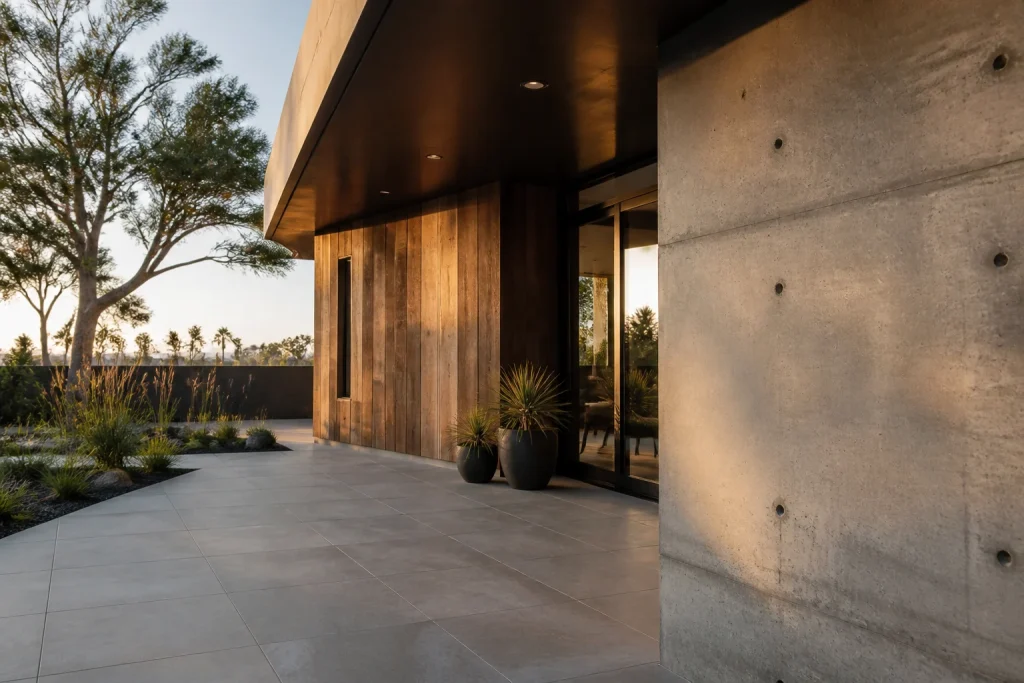
For homeowners seeking to elevate their properties beyond conventional designs, exploring alternative luxury home building materials offers a path to truly unique aesthetics and enhanced performance. Instead of standard brick, wood, or drywall, consider innovative options like architectural concrete, reclaimed timber, large-format porcelain slabs, sustainable…
- Diverging from conventional choices in luxury home building materials offers a multitude of benefits that extend beyond mere aesthetics.
- The journey into alternative luxury home building materials is an exploration of innovation, sustainability, and personal expression.
- Alternative luxury exterior materials include architectural concrete, zinc cladding, corten steel, fiber cement panels, and large-format porcelain slabs.
Luxury Home Building Materials: Alternatives to Traditional Options for Unique Aesthetics
For homeowners seeking to elevate their properties beyond conventional designs, exploring alternative luxury home building materials offers a path to truly unique aesthetics and enhanced performance. Instead of standard brick, wood, or drywall, consider innovative options like architectural concrete, reclaimed timber, large-format porcelain slabs, sustainable bamboo, and metal composites. These materials provide distinct textures, superior durability, and often better thermal properties, allowing for bespoke designs that reflect individual tastes while meeting modern demands for efficiency and longevity. For instance, a DFW homeowner looking to remodel their kitchen might opt for Dekton countertops instead of natural stone, gaining exceptional scratch and heat resistance alongside a sleek, contemporary look that traditional materials cannot replicate. This approach to luxury home building moves beyond mere opulence, focusing on thoughtful material selection that delivers both visual impact and practical benefits.
What Are the Benefits of Exploring Alternative Luxury Home Building Materials?
Diverging from conventional choices in luxury home building materials offers a multitude of benefits that extend beyond mere aesthetics. One primary advantage is the ability to achieve truly distinctive designs. Traditional materials, while beautiful, are ubiquitous; alternatives like fiber cement panels or corten steel introduce unique textures, colors, and finishes that make a property stand out. For example, a home incorporating zinc cladding can develop a beautiful, evolving patina over time, offering a dynamic visual appeal that brick or stucco cannot match. This individuality is highly valued in the luxury market, where homeowners often seek to express their personal style and create a residence that feels custom-tailored. According to a 2023 industry survey, nearly 60% of high-end homeowners prioritize unique design elements when undertaking significant renovations, underscoring the demand for materials that break the mold.
Beyond visual appeal, many alternative materials offer superior performance characteristics. Modern advancements in material science have led to options that boast enhanced durability, energy efficiency, and reduced maintenance requirements. Consider aerated autoclaved concrete (AAC) blocks, which provide excellent thermal insulation and fire resistance, contributing to lower energy bills and increased safety compared to traditional wood framing. Similarly, recycled glass countertops offer a vibrant, customizable aesthetic while being incredibly resilient and non-porous, making them ideal for high-traffic areas like luxury kitchens. These performance benefits translate into long-term value for the homeowner, reducing the need for frequent repairs or replacements and ensuring the home remains comfortable and efficient for decades. A typical luxury home in the Plano, TX area, for instance, might see a 10-15% reduction in annual heating and cooling costs by incorporating advanced insulation and exterior cladding materials.
Furthermore, the embrace of alternative materials often aligns with growing trends in sustainability and environmental responsibility. Many innovative options are derived from recycled content, are sustainably sourced, or have a lower environmental footprint during production and installation. Bamboo flooring, for example, is a rapidly renewable resource that offers exceptional hardness and a distinctive grain pattern, providing an eco-friendly alternative to traditional hardwoods. Similarly, reclaimed wood beams not only add historical character and warmth but also divert valuable timber from landfills, embodying a commitment to circular economy principles. As one veteran builder puts it, “The shift towards sustainable luxury isn’t just a trend; it’s a fundamental re-evaluation of value, where a material’s origin and lifecycle are as important as its beauty and performance.” This focus on sustainability resonates with a discerning clientele who seek to minimize their environmental impact without compromising on quality or luxury.
Navigating the Selection of Alternative Luxury Materials
Choosing the right alternative luxury building materials requires careful consideration of several factors beyond initial appeal. Homeowners and builders must evaluate the material’s suitability for the specific climate, its long-term performance characteristics, and the availability of skilled labor for installation. For instance, while a material like polished concrete offers a sleek, industrial aesthetic and exceptional durability, its thermal properties might need to be augmented with radiant heating in colder climates to maintain comfort. Similarly, the intricate installation of a complex metal facade, such as custom perforated aluminum panels, demands specialized contractors with proven experience to ensure both structural integrity and aesthetic precision. A thorough assessment of these practical considerations ensures that the chosen materials not only look exceptional but also function optimally within the home’s environment.
Understanding the lifecycle costs associated with alternative materials is also crucial. While some innovative options might have a higher upfront cost compared to traditional materials, their superior durability, reduced maintenance needs, and enhanced energy efficiency can lead to significant savings over the lifespan of the home. For example, high-performance insulated concrete forms (ICFs) may cost more initially than conventional wood framing, but they offer superior insulation, leading to substantially lower heating and cooling bills and a quieter indoor environment. This long-term value proposition is a key differentiator for luxury homeowners who prioritize enduring quality and efficiency. A typical luxury residence in a hot climate like Scottsdale, Arizona, could see a return on investment for advanced thermal envelope materials within 7-10 years through energy savings alone.
Integrating Alternative Materials for Cohesive Design
The successful incorporation of alternative luxury building materials hinges on their thoughtful integration into a cohesive design scheme. Rather than simply replacing traditional elements, these materials should be selected to complement each other and the overall architectural vision of the home. For example, pairing the raw, earthy texture of rammed earth walls with the sleek, reflective surface of large-format porcelain tiles can create a striking contrast that defines distinct zones within an open-plan living space. The interplay of different textures, colors, and finishes contributes to a sophisticated aesthetic that feels both modern and timeless.
Collaboration between the homeowner, architect, and builder is paramount in achieving a harmonious blend of materials. Design professionals can offer invaluable insights into how various alternatives will interact visually and functionally, ensuring that the final result is greater than the sum of its parts. Consider a scenario where a homeowner desires a minimalist aesthetic; the architect might suggest a combination of smooth, unadorned fiber cement panels for the exterior, complemented by interior walls finished with Venetian plaster for a subtle, luxurious sheen. This careful curation of materials ensures that each element contributes to a unified and elevated living experience, reflecting a deep understanding of design principles and material capabilities.
The aesthetic impact of alternative materials extends beyond individual elements to shape the entire ambiance of a home. For instance, the use of translucent concrete panels can allow natural light to filter into interior spaces in a soft, diffused manner, creating an ethereal glow that traditional windows cannot replicate. This not only enhances the visual appeal but also contributes to a sense of tranquility and openness. Similarly, the strategic placement of living walls, composed of various plant species, introduces biophilic design principles, connecting residents with nature and improving indoor air quality. These thoughtful integrations transform a house into a sensory experience, where every material choice contributes to a holistic and elevated living environment. According to a 2023 report by the American Institute of Architects, projects incorporating biophilic elements saw a 10-12% increase in perceived value among luxury buyers, highlighting the growing appreciation for designs that blend natural and innovative materials.
Furthermore, the integration of alternative materials can serve functional purposes that enhance the home’s long-term performance and adaptability. Consider smart glass technology, which can switch from transparent to opaque with the flick of a switch, offering instant privacy and dynamic control over natural light and solar heat gain. This eliminates the need for traditional blinds or curtains, contributing to a cleaner, more minimalist aesthetic while providing practical benefits. Another example is the use of phase-change materials (PCMs) within walls or ceilings, which absorb and release thermal energy to stabilize indoor temperatures, reducing reliance on HVAC systems. These advanced integrations demonstrate how alternative materials can be more than just visually appealing; they are integral components of a high-performing, future-ready luxury home. A luxury residence in a fluctuating climate, such as that found in Austin, Texas, could leverage these technologies to maintain optimal indoor comfort with up to a 20% reduction in peak energy demand during extreme weather events, according to recent energy modeling studies.
Embracing Innovation for Enduring Luxury
The journey into alternative luxury home building materials is an exploration of innovation, sustainability, and personal expression. It moves beyond the conventional understanding of luxury, which often equates to rarity or cost, towards a more nuanced appreciation of thoughtful design and advanced performance. Homeowners who embrace these materials are not just building houses; they are crafting bespoke environments that reflect their values and aspirations. This approach allows for the creation of spaces that are not only visually stunning but also exceptionally durable, energy-efficient, and environmentally conscious. As one leading architectural firm specializing in high-end residential projects noted in a 2024 industry outlook, “The true mark of luxury in modern home building is no longer just about what you can afford, but about the intelligence and integrity of your material choices.” This sentiment underscores a significant shift in the luxury market, where informed decisions about materials are increasingly paramount.
The long-term benefits of investing in alternative luxury materials extend far beyond the initial construction phase. Homes built with these advanced options often command higher resale values due to their superior performance, unique aesthetics, and reduced maintenance requirements. For example, a property featuring a durable, low-maintenance exterior like fiber cement siding or metal cladding will appeal to buyers seeking longevity and ease of ownership, especially in regions prone to harsh weather conditions. Moreover, the enhanced energy efficiency provided by materials like insulated concrete forms or advanced glazing systems translates into lower operational costs for the homeowner, a significant draw in an era of rising utility prices. A luxury home in a competitive market like Miami, Florida, incorporating these features, could see its market value appreciate by an additional 5-7% compared to conventionally built homes, according to recent real estate analyses, reflecting the premium placed on sustainable and high-performing properties.
Ultimately, the decision to explore alternative luxury home building materials is an investment in a future-proof home. It represents a commitment to quality, innovation, and a distinctive lifestyle. By carefully selecting materials that align with both aesthetic desires and practical needs, homeowners can create residences that are not only beautiful but also resilient, efficient, and deeply personal. This thoughtful approach ensures that a luxury home remains a source of pride and comfort for generations, standing as a testament to discerning taste and forward-thinking design. The landscape of luxury home building is continually evolving, and staying abreast of these material innovations is key to unlocking unparalleled architectural possibilities. As of 2024, industry projections indicate a steady increase in the adoption of these alternative materials, driven by both consumer demand for unique homes and a broader industry push towards more sustainable and high-performance construction practices.
Crafting Your Vision with Distinctive Materials
Embarking on a luxury home project offers a unique opportunity to define your living space with materials that resonate with your personal style and functional needs. Consider how different textures and finishes can evoke specific moods: the warmth of reclaimed wood, the cool sophistication of polished concrete, or the vibrant energy of recycled glass. Visualize how these elements will interact with natural light throughout the day, transforming spaces and creating dynamic visual interest. Think about the long-term impact of your choices, not just in terms of durability and maintenance, but also how they contribute to the overall character and narrative of your home. This reflective process ensures that every material selected is a deliberate choice, contributing to a cohesive and deeply personal architectural statement.
Bottom Line: Exploring alternative luxury home building materials offers homeowners the opportunity to achieve truly unique aesthetics, superior performance, and enhanced sustainability, moving beyond traditional options to create distinctive, high-value properties.
Frequently Asked Questions
What are some examples of alternative luxury exterior materials?
Alternative luxury exterior materials include architectural concrete, zinc cladding, corten steel, fiber cement panels, and large-format porcelain slabs. These options offer distinct aesthetics, superior durability, and often better thermal properties compared to traditional brick or stucco.
Do alternative luxury materials cost more than traditional ones?
While some alternative luxury materials may have a higher upfront cost, their superior durability, reduced maintenance, and enhanced energy efficiency often lead to significant long-term savings and increased property value over the lifespan of the home.
How do alternative materials contribute to home sustainability?
Many alternative materials are sustainably sourced, made from recycled content, or have a lower environmental footprint during production. Examples include bamboo flooring, reclaimed timber, and aerated autoclaved concrete (AAC) blocks, which offer eco-friendly benefits.
Are specialized contractors needed for alternative material installation?
Yes, installing many alternative luxury materials, such as complex metal facades or large-format porcelain slabs, often requires specialized contractors with specific expertise and experience to ensure proper structural integrity and aesthetic precision.