
For homeowners like Sarah in Plano, TX, balancing the desire for a high-end, eco-conscious living space with practical financial constraints is a common challenge. The latest trends in sustainable luxury home remodeling, even when budget is a concern, focus on strategic material selection, energy efficiency…
- Sustainable luxury home remodeling is characterized by an intentional approach to design and construction that minimizes environmental impact while maximizing long-term value, comfort, and aesthetic appeal.
- When budget is a primary consideration in sustainable luxury remodeling, the strategic selection of materials becomes paramount.
- Investing in energy efficiency upgrades is a cornerstone of sustainable luxury remodeling, particularly when budget is a concern, due to the significant long-term savings they provide.
- Affordable sustainable materials include reclaimed wood, bamboo flooring, recycled glass countertops, and low-VOC paints.
What are the Latest Trends in Sustainable Luxury Home Remodeling when Budget is a Concern?
For homeowners like Sarah in Plano, TX, balancing the desire for a high-end, eco-conscious living space with practical financial constraints is a common challenge. The latest trends in sustainable luxury home remodeling, even when budget is a concern, focus on strategic material selection, energy efficiency upgrades, and long-term value. This includes prioritizing durable, locally sourced materials, investing in smart home technology for optimized resource use, and integrating passive design principles. According to industry surveys from 2023, homeowners are increasingly opting for renovations that offer both aesthetic appeal and reduced operational costs, with a particular emphasis on water-saving fixtures and enhanced insulation. These approaches allow for significant aesthetic and functional upgrades without necessarily incurring exorbitant costs, by focusing on areas that provide the greatest return on investment and environmental benefit.
What Defines Sustainable Luxury Home Remodeling?
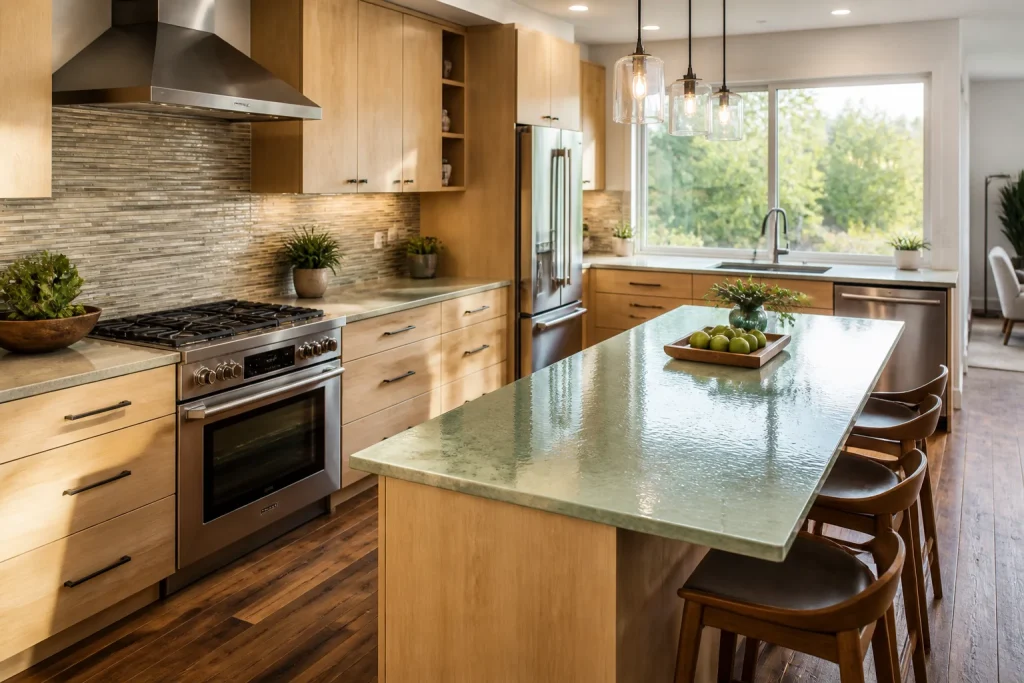
Sustainable luxury home remodeling is characterized by an intentional approach to design and construction that minimizes environmental impact while maximizing long-term value, comfort, and aesthetic appeal. It moves beyond mere aesthetics, integrating principles of ecological responsibility, resource efficiency, and occupant well-being. This means selecting materials that are renewable, recycled, or have a low carbon footprint, such as reclaimed wood, bamboo flooring, or recycled glass countertops. Furthermore, it involves optimizing energy consumption through advanced insulation, high-performance windows, and energy-efficient HVAC systems. The goal is to create a living space that is not only beautiful and functional but also healthier for its occupants and the planet. For instance, a luxury kitchen renovation might feature custom cabinetry crafted from sustainably harvested maple, paired with energy-star rated appliances and LED lighting, significantly reducing both the home’s carbon footprint and utility bills over time.
The concept also extends to water conservation, with the integration of low-flow fixtures, greywater recycling systems, and drought-resistant landscaping. Beyond tangible elements, sustainable luxury considers the entire lifecycle of materials and products, from manufacturing and transportation to installation and disposal. This holistic perspective ensures that every decision contributes to a more resilient and environmentally sound home. For example, choosing a local DFW supplier for custom cabinetry not only supports regional businesses but also reduces transportation emissions, aligning with sustainable practices. This comprehensive approach ensures that the remodeled space is not just a temporary upgrade but a lasting investment in both property value and ecological stewardship, reflecting a growing awareness among luxury homeowners about their environmental impact.
Moreover, sustainable luxury home remodeling often incorporates smart home technology to monitor and manage energy and water usage efficiently. Systems that automatically adjust lighting, heating, and cooling based on occupancy or external conditions can lead to substantial savings and reduced resource consumption. For example, a smart thermostat can learn a family’s schedule and optimize temperature settings, potentially cutting heating and cooling costs by 10-15% annually, according to a 2024 energy efficiency report. This integration of technology enhances convenience and comfort while simultaneously promoting environmental responsibility. The focus remains on creating spaces that are both opulent and eco-friendly, demonstrating that luxury and sustainability are not mutually exclusive but can, in fact, enhance each other, offering a sophisticated and responsible living experience.
STRATEGIC MATERIAL SELECTION FOR BUDGET-CONSCIOUS SUSTAINABILITY
When budget is a primary consideration in sustainable luxury remodeling, the strategic selection of materials becomes paramount. This involves prioritizing options that offer a balance of durability, aesthetic appeal, and environmental responsibility without incurring excessive costs. For instance, instead of exotic hardwoods, homeowners might opt for domestically sourced, fast-growing woods like bamboo or cork, which are both renewable and offer unique textures. Reclaimed wood, often available from local salvage yards or specialized suppliers, provides a rich history and character while diverting materials from landfills. These choices not only reduce the environmental footprint but can also introduce distinctive design elements that elevate the luxury aesthetic.
Beyond wood products, sustainable material selection extends to countertops, flooring, and paint. Recycled glass or composite countertops, for example, offer a sleek, modern look and are often more affordable than natural stone while utilizing post-consumer waste. For flooring, polished concrete, while initially appearing industrial, can be stained and sealed to create a sophisticated, durable, and low-maintenance surface. Low-VOC (Volatile Organic Compound) paints and finishes are essential for indoor air quality and are now widely available at competitive prices, ensuring a healthier living environment without a premium cost. A typical 2,000-square-foot home renovation can significantly reduce its environmental impact by choosing these alternatives, demonstrating that luxury doesn’t always equate to the most expensive or resource-intensive options.
ENERGY EFFICIENCY UPGRADES WITH A FOCUS ON ROI
Investing in energy efficiency upgrades is a cornerstone of sustainable luxury remodeling, particularly when budget is a concern, due to the significant long-term savings they provide. High-performance windows, for example, are a crucial upgrade. While the initial investment might be higher than standard windows, they drastically reduce heat transfer, leading to lower heating and cooling bills. Modern double or triple-pane windows with low-emissivity (Low-E) coatings can cut energy loss by up to 50% compared to older single-pane windows, offering a substantial return on investment over their lifespan. Similarly, enhancing insulation in attics, walls, and crawl spaces is a relatively cost-effective measure that yields immediate and continuous energy savings.
Another key area for energy efficiency is the HVAC system. Upgrading to a high-efficiency HVAC unit, such as a variable-speed heat pump, can significantly reduce energy consumption. While the upfront cost can be considerable, government incentives, rebates, and the long-term operational savings often make these upgrades financially viable. For example, replacing an old 8 SEER (Seasonal Energy Efficiency Ratio) air conditioner with a new 16 SEER unit can halve the electricity consumption for cooling. Furthermore, integrating smart thermostats, as previously mentioned, optimizes these systems by learning occupancy patterns and adjusting temperatures accordingly, ensuring comfort while minimizing waste. These strategic investments not only contribute to a more sustainable home but also enhance its market value and appeal to environmentally conscious buyers.
INTEGRATING PASSIVE DESIGN PRINCIPLES FOR LASTING VALUE
Passive design principles are fundamental to sustainable luxury home remodeling, offering enduring benefits that reduce energy consumption and enhance occupant comfort without relying on active mechanical systems. This approach leverages natural elements like sunlight, wind, and shade to regulate indoor temperatures and maximize natural light. For instance, strategically placed windows can harness natural light, reducing the need for artificial lighting during daylight hours. A well-designed overhang on a south-facing window can block high summer sun, preventing overheating, while still allowing lower winter sun to penetrate and warm the interior. This thoughtful placement can reduce cooling loads by up to 20% in warmer climates, according to a 2023 architectural study, significantly lowering utility bills over the home’s lifetime.
Beyond window placement, passive design also incorporates natural ventilation strategies. Cross-ventilation, achieved by aligning windows on opposite sides of a room, allows breezes to flow through the home, expelling warm air and drawing in cooler air. Thermal mass, such as concrete floors or stone walls, can absorb and store heat during the day and release it slowly at night, moderating indoor temperature fluctuations. These elements, while often requiring careful planning during the design phase, typically have minimal ongoing costs once implemented. For example, a luxury home in a hot climate might feature a central courtyard with strategically placed openings to create a natural chimney effect, drawing hot air upwards and out, thereby cooling the surrounding living spaces without the constant use of air conditioning.
The long-term value of integrating passive design principles extends beyond energy savings. Homes designed with these considerations often boast superior indoor air quality, reduced noise pollution, and a stronger connection to the outdoors, all contributing to a higher quality of life for residents. These features are increasingly sought after by discerning buyers, enhancing the property’s market appeal and resale value. As one veteran architect specializing in sustainable design puts it, “Passive design isn’t just about saving energy; it’s about creating a healthier, more comfortable, and ultimately more valuable living environment that stands the test of time.” This holistic approach ensures that the luxury remodel is not only beautiful but also inherently efficient and resilient.
EMBRACING INNOVATION FOR A SUSTAINABLE FUTURE
The landscape of sustainable luxury home remodeling is continuously evolving, with new innovations offering even more opportunities for eco-conscious upgrades within a budget. Beyond the established practices, emerging technologies and materials are making sustainable living more accessible and luxurious. For example, advancements in solar technology have led to more aesthetically integrated solar panels, such as solar shingles that blend seamlessly with traditional roofing materials, making renewable energy generation less obtrusive. While the initial investment for solar can be substantial, federal tax credits and local incentives, such as those available in Texas, can offset a significant portion of the cost, with systems often paying for themselves within 7-10 years through reduced electricity bills.
Another area of innovation lies in advanced water management systems. Rainwater harvesting, once a niche practice, is becoming more sophisticated and integrated into luxury home designs. Modern systems can collect, filter, and store rainwater for irrigation, toilet flushing, and even laundry, significantly reducing reliance on municipal water supplies. A typical 3,000-square-foot home can collect thousands of gallons of water annually, leading to substantial savings on water bills, especially in regions prone to drought. Furthermore, smart irrigation systems that use weather data and soil moisture sensors to optimize watering schedules prevent waste, ensuring landscapes remain lush with minimal water consumption. These innovations demonstrate that luxury can be achieved through intelligent resource management, not just lavish consumption.
The future of sustainable luxury remodeling also involves a greater emphasis on circular economy principles, where materials are designed for longevity, repair, and eventual recycling. This includes choosing products with transparent supply chains and manufacturers committed to reducing waste and pollution. For instance, modular construction techniques are gaining traction in luxury markets, allowing for off-site fabrication of high-quality components that reduce on-site waste and construction time. These forward-thinking approaches not only minimize environmental impact but also ensure that a luxury home remains at the forefront of design and efficiency for decades to come, reflecting a commitment to both personal well-being and planetary health.
Crafting Your Eco-Luxe Haven: Next Steps
Embarking on a sustainable luxury home remodeling journey requires thoughtful planning and a clear vision. Begin by assessing your current home’s energy and water consumption to identify areas with the greatest potential for improvement. Research local incentives and rebates for energy-efficient upgrades, as these can significantly impact your budget. Consult with architects and contractors who specialize in sustainable design to explore material options and passive design strategies tailored to your home and climate. Prioritize upgrades that offer the best long-term return on investment and align with your personal values for environmental stewardship. Remember, sustainable luxury is about intelligent choices that enhance both your living experience and the planet’s health.
Bottom Line: Sustainable luxury home remodeling, even on a budget, is achievable by strategically selecting durable, eco-friendly materials, investing in energy efficiency upgrades with strong ROI, and integrating passive design principles to create a beautiful, comfortable, and environmentally responsible living space.
Frequently Asked Questions
What are some affordable sustainable materials for remodeling?
Affordable sustainable materials include reclaimed wood, bamboo flooring, recycled glass countertops, and low-VOC paints. These options offer durability and aesthetic appeal while minimizing environmental impact and often costing less than traditional luxury materials.
How can I make my home more energy-efficient on a budget?
Focus on high-impact, cost-effective upgrades like enhancing insulation in attics and walls, sealing air leaks, and upgrading to high-efficiency windows. These improvements significantly reduce energy consumption and offer a strong return on investment over time.
What is passive design and how does it save money?
Passive design uses natural elements like sunlight and wind to regulate indoor temperatures and lighting, reducing reliance on mechanical systems. Strategic window placement, natural ventilation, and thermal mass can significantly lower heating, cooling, and lighting costs over the home’s lifespan.
Are smart home technologies truly sustainable?
Yes, smart home technologies contribute to sustainability by optimizing energy and water usage. Smart thermostats, lighting controls, and irrigation systems can automatically adjust based on occupancy or environmental conditions, leading to substantial resource savings and reduced utility bills.