
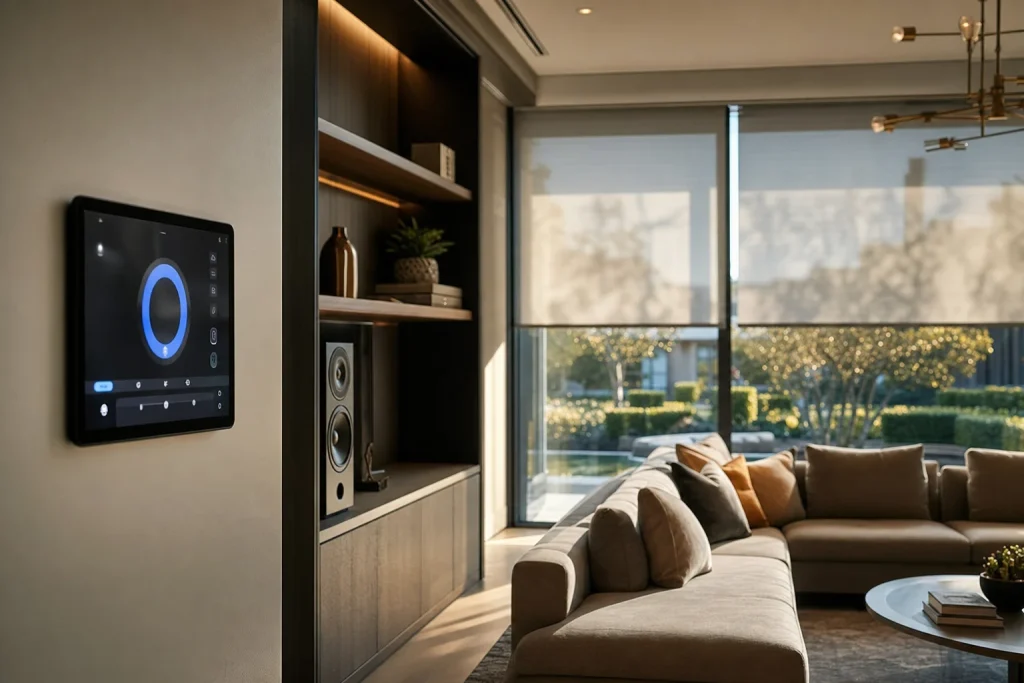
Biophilic design, which integrates natural elements and processes into built environments, significantly enhances health and well-being in luxury home building by reducing stress, improving cognitive function, and fostering emotional comfort. This approach moves beyond mere aesthetics, creating spaces that connect residents with nature through natural…
TL;DR
- Biophilic design is an innovative architectural and interior design philosophy that seeks to connect building occupants more closely to nature.
- Implementing biophilic design effectively in luxury homes involves adherence to several core principles that guide the integration of nature.
- For homeowners embarking on luxury home remodeling or renovation projects, integrating biophilic design offers tangible benefits that extend beyond aesthetics.
- The enduring value of integrating biophilic principles into luxury home design lies in its profound impact on the occupants’ long-term health and quality of life.
- Biophilic design in luxury homes offers numerous benefits, including reduced stress, improved cognitive function, enhanced mood, better sleep quality, and a stronger connection to nature.
Designing for Wellness: How Biophilic Principles Enhance Health in Luxury Homes
Biophilic design, which integrates natural elements and processes into built environments, significantly enhances health and well-being in luxury home building by reducing stress, improving cognitive function, and fostering emotional comfort. This approach moves beyond mere aesthetics, creating spaces that connect residents with nature through natural light, ventilation, organic materials, and views of greenery, thereby promoting a restorative living experience. For homeowners in Plano, TX, and the broader DFW area seeking to elevate their living spaces, incorporating biophilic principles into luxury home remodeling and renovation projects can transform a residence into a sanctuary that actively supports physical and mental health, making it a cornerstone of modern, high-end design as of 2024.
What is Biophilic Design and Why is it Essential for Luxury Homes? luxury home building
Biophilic design is an innovative architectural and interior design philosophy that seeks to connect building occupants more closely to nature. It is founded on the concept of biophilia, coined by Edward O. Wilson, which suggests humans possess an innate tendency to connect with nature and other living systems. In the context of luxury homes, this translates into creating environments that are not only aesthetically pleasing but also deeply restorative and health-promoting. For instance, a luxury home might feature expansive windows framing a meticulously landscaped garden, allowing natural light to flood interior spaces and offering calming views. This deliberate integration of natural elements, such as wood, stone, and water features, goes beyond simple decoration; it aims to replicate the sensory richness of natural environments within the home, fostering a sense of tranquility and vitality that is increasingly sought after by discerning homeowners.
The essence of biophilic design in luxury residences lies in its ability to address the physiological and psychological needs of occupants, often overlooked in conventional construction. Consider a master bathroom designed with a large skylight, a living wall of native plants, and a natural stone soaking tub. Such a design not only elevates the aesthetic appeal but also provides a serene, spa-like atmosphere that reduces stress and promotes relaxation. According to a 2023 study on environmental psychology, exposure to natural elements in indoor settings can lead to a 15% improvement in cognitive performance and a significant reduction in perceived stress levels. This makes biophilic principles particularly valuable for luxury homeowners who prioritize holistic well-being and seek to create a sanctuary from the demands of modern life. The careful selection of materials, the optimization of natural light, and the incorporation of living elements all contribute to a healthier, more harmonious living environment.
Implementing biophilic design in luxury home building also involves a deep understanding of local ecosystems and sustainable practices. For example, in the DFW area, integrating drought-resistant native plants into interior and exterior landscaping not only connects residents to the regional environment but also promotes water conservation. A luxury kitchen renovation might incorporate custom cabinetry crafted from sustainably sourced wood, paired with countertops made from recycled glass or natural quartz. These choices reflect a commitment to environmental stewardship while providing a sophisticated, healthy living space. The goal is to create a seamless transition between the indoors and outdoors, blurring the lines between built and natural environments. This holistic approach ensures that every design decision contributes to both the aesthetic grandeur and the inherent health benefits of the home, aligning with the values of luxury and sustainability.
Key Principles of Biophilic Design in Luxury Residences
Implementing biophilic design effectively in luxury homes involves adherence to several core principles that guide the integration of nature. One fundamental principle is the direct connection with nature, which means incorporating actual natural elements into the living space. This can manifest through living walls, indoor water features, or even strategically placed planters with lush, vibrant foliage. For example, a grand foyer in a luxury home could feature a cascading indoor waterfall, not only creating a stunning visual focal point but also introducing the calming sound of moving water and increasing ambient humidity, beneficial for both residents and indoor plants. Another aspect of direct connection is maximizing natural light through large windows, skylights, and glass doors, reducing reliance on artificial lighting and connecting occupants with the diurnal and seasonal cycles of the sun.
Another crucial principle is the indirect connection with nature, which involves using natural analogues and patterns. This includes incorporating natural shapes and forms in architecture and interior design, such as curved walls, organic furniture designs, or patterns inspired by fractals found in nature. For instance, a custom-designed rug in a living room might feature a pattern reminiscent of a forest canopy, or wall textures could mimic the rough bark of a tree. The use of natural materials like unpolished stone, reclaimed wood, and natural fibers in textiles also falls under this principle, providing tactile and visual connections to the natural world without necessarily bringing living elements indoors. These indirect connections evoke the feeling of nature, even in spaces where direct integration might be limited, contributing to a sense of comfort and authenticity.
The third principle focuses on spatial organization and the human-nature relationship, emphasizing views and prospects. This involves designing spaces that offer clear, unobstructed views of natural landscapes, whether it’s a private garden, a distant cityscape with green spaces, or a serene water body. A luxury master bedroom, for example, might be oriented to provide panoramic views of a meticulously designed backyard oasis, complete with native flora and a tranquil pond. This principle also encompasses creating spaces that offer both refuge and prospect—areas where one can feel protected while still having an expansive view. A cozy reading nook with a window seat overlooking a garden provides a sense of security (refuge) combined with an engaging view (prospect), enhancing psychological well-being. These carefully considered spatial arrangements foster a deeper connection to the surrounding environment and promote a sense of peace and contemplation.
Practical Applications of Biophilic Design in Luxury Home Remodeling
For homeowners embarking on luxury home remodeling or renovation projects, integrating biophilic design offers tangible benefits that extend beyond aesthetics. One practical application involves enhancing natural light and ventilation. During a kitchen renovation, for instance, replacing smaller windows with larger, energy-efficient ones or adding a strategically placed skylight can dramatically increase natural light, reducing the need for artificial illumination during the day. Incorporating operable windows and doors, such as bifold or sliding glass doors that open to a patio, not only improves air circulation but also creates a seamless transition between indoor and outdoor living spaces. This approach can significantly improve indoor air quality and provide a constant connection to the outdoor environment, even when inside.
Another key application is the thoughtful selection and incorporation of natural materials. In a luxury bathroom remodel, opting for natural stone tiles like marble or travertine, a solid wood vanity, and organic cotton towels can transform the space into a spa-like retreat. Beyond their aesthetic appeal, these materials often have lower volatile organic compound (VOC) emissions compared to synthetic alternatives, contributing to a healthier indoor environment. For a living room renovation, consider custom built-ins crafted from sustainably sourced hardwoods, paired with furniture upholstered in linen or wool. These material choices not only exude luxury but also provide tactile and visual textures that mimic those found in nature, fostering a sense of calm and authenticity within the home.
Finally, integrating living elements and natural patterns is a powerful way to apply biophilic principles. This could involve designing a custom indoor planter system for a dining area, featuring a variety of low-maintenance plants that purify the air and add vibrant greenery. For a home office, a small living wall or a collection of potted plants can reduce stress and improve focus. Beyond living plants, incorporating patterns and artwork inspired by nature can also be effective. A custom wallpaper featuring a subtle botanical print or a large-scale abstract painting with organic forms can evoke the beauty of the natural world. Even the layout of furniture can mimic natural patterns, creating flow and harmony within a space. These elements collectively contribute to a living environment that actively supports the well-being of its occupants, making a luxury home truly a sanctuary.
The integration of biophilic design also extends to the strategic placement of artwork and decorative elements. Instead of generic prints, luxury homes can feature custom pieces that depict natural landscapes, abstract interpretations of organic forms, or even botanical illustrations. These visual cues, even when not directly living elements, can evoke the same calming and restorative responses as direct exposure to nature. For example, a large-scale photographic print of a serene forest scene in a formal dining room can create a sense of depth and connection to the outdoors, enhancing the dining experience. Furthermore, the use of natural patterns in textiles, such as bedding with leaf motifs or curtains with subtle wave-like textures, reinforces the biophilic aesthetic throughout the home. These thoughtful details contribute to a cohesive design narrative that consistently reminds occupants of their innate connection to the natural world, fostering a deeper sense of peace and well-being within their luxurious surroundings.
Beyond individual room renovations, biophilic principles can guide larger-scale luxury home additions or new construction projects. Imagine a new sunroom addition designed with a retractable glass roof and walls, allowing for complete immersion in the outdoor environment on pleasant days. This type of design blurs the boundaries between indoor and outdoor living, providing flexible spaces that adapt to weather conditions while maintaining a strong connection to nature. For a multi-story luxury home, incorporating an internal courtyard or atrium with lush planting and a small pond can bring natural light and greenery deep into the core of the residence, creating a tranquil focal point visible from multiple rooms. These architectural interventions demonstrate a commitment to holistic well-being, ensuring that every part of the home contributes to a restorative and health-enhancing environment. Such comprehensive applications of biophilic design elevate a luxury home beyond mere opulence, transforming it into a living ecosystem that nurtures its inhabitants.
Cultivating Serenity: The Enduring Value of Nature-Inspired Living
The enduring value of integrating biophilic principles into luxury home design lies in its profound impact on the occupants’ long-term health and quality of life. As urban environments become increasingly dense and digital demands intensify, the home serves as a crucial refuge. Biophilic design ensures this refuge is not merely comfortable but actively restorative. For instance, a luxury home designed with optimal natural light exposure can help regulate circadian rhythms, leading to improved sleep quality and increased daytime alertness. A 2024 industry report on sustainable architecture highlighted that homes incorporating significant biophilic elements consistently command a higher market value, often seeing a 5-10% premium, due to their perceived health benefits and unique aesthetic appeal. This financial appreciation underscores the growing recognition of biophilic design as a wise investment in both personal well-being and property value, particularly in competitive markets like Plano, TX, and the wider DFW area.
Moreover, biophilic design fosters a deeper sense of connection to place and community. By utilizing native plants in landscaping and incorporating locally sourced natural materials, a luxury home can reflect the unique ecological character of its region. This approach not only supports local biodiversity and sustainable practices but also creates a distinct identity for the residence, making it feel more rooted and authentic. Consider a luxury estate where the exterior landscaping seamlessly blends with the surrounding Texas prairie, featuring native grasses and wildflowers that attract local wildlife. This thoughtful integration extends beyond the property lines, contributing to the overall ecological health of the neighborhood. Such design choices resonate with discerning homeowners who seek not just a beautiful house, but a home that is harmoniously integrated with its environment and reflects a commitment to responsible living, enhancing both personal and communal well-being.
The psychological benefits of biophilic design are equally compelling, offering a continuous source of mental refreshment and emotional balance. Spaces designed with natural views, calming sounds of water, and tactile natural textures can significantly reduce feelings of anxiety and promote a sense of peace. A study published in 2023 by the Journal of Environmental Psychology found that even passive exposure to natural elements in indoor settings can lead to a 20% increase in positive mood states and a noticeable decrease in self-reported stress. This makes biophilic design an indispensable component for luxury homeowners who prioritize mental clarity and emotional resilience. By consciously weaving nature into the fabric of their homes, residents create an environment that acts as a daily antidote to the stresses of modern life, transforming their living space into a true sanctuary for mind, body, and spirit.
Embracing a Healthier Future Through Design
For those considering a luxury home remodeling or renovation project, embracing biophilic design offers a clear path to a healthier, more enriching living experience. It’s about making intentional choices that prioritize well-being alongside aesthetics and functionality. Whether it’s optimizing natural light, selecting sustainable materials, or integrating living plants, each decision contributes to a home that actively supports physical and mental health. The investment in biophilic principles is an investment in a future where your home is not just a place to live, but a dynamic environment that nurtures and inspires, providing a continuous connection to the restorative power of nature. This forward-thinking approach ensures that your luxury residence remains a beacon of wellness and sophisticated living for years to come.
Bottom Line: Biophilic design in luxury home building significantly enhances health and well-being by integrating natural elements and processes, creating restorative spaces that reduce stress, improve cognitive function, and foster emotional comfort.
Frequently Asked Questions
What are the main benefits of biophilic design in luxury homes?
Biophilic design in luxury homes offers numerous benefits, including reduced stress, improved cognitive function, enhanced mood, better sleep quality, and a stronger connection to nature. It creates a restorative living environment that supports overall physical and mental well-being.
How can natural light be maximized in a biophilic luxury home?
Natural light can be maximized through large, strategically placed windows, skylights, and glass doors. Optimizing window orientation to capture sunlight throughout the day and using light-colored interior finishes also helps to amplify natural illumination.
What types of natural materials are commonly used in biophilic luxury design?
Common natural materials include sustainably sourced wood, natural stone (like marble, granite, or travertine), cork, bamboo, and natural fibers such as linen, wool, and organic cotton. These materials provide tactile and visual connections to nature while often being healthier for indoor air quality.
Can biophilic design be incorporated into existing luxury homes during renovation?
Yes, biophilic design can be effectively incorporated into existing luxury homes during renovation. This can involve adding living walls, improving natural light and ventilation, selecting natural materials, and integrating water features or natural patterns into the decor.