
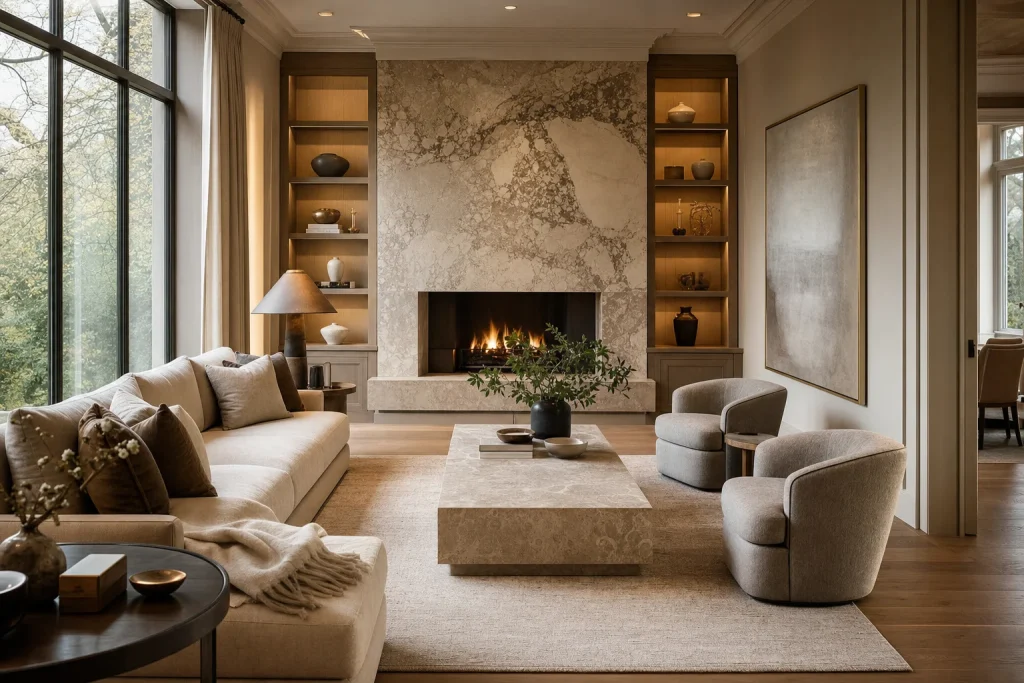
For homeowners seeking to transform their living spaces into bespoke sanctuaries, elevating luxury home building interiors involves a meticulous selection of premium finishes and custom features that reflect personal style and enhance functionality. This process typically focuses on high-quality materials such as natural stone, exotic…
- Luxury home building interiors are characterized by an unwavering commitment to quality, exclusivity, and personalized design.
- The hallmark of true luxury home building interiors lies in their unparalleled degree of customization, transforming a house into a unique reflection of its inhabitants.
- Luxury interiors frequently feature natural stones like marble and quartzite for surfaces, exotic hardwoods such as wenge or Brazilian cherry for flooring, and custom millwork.
Elevating Your Luxury Home Interiors: A Guide to Premium Finishes and Custom Features with Nova Star Remodeling
For homeowners seeking to transform their living spaces into bespoke sanctuaries, elevating luxury home building interiors involves a meticulous selection of premium finishes and custom features that reflect personal style and enhance functionality. This process typically focuses on high-quality materials such as natural stone, exotic hardwoods, and bespoke millwork, integrated with advanced smart home technologies and personalized design elements. Achieving a truly luxurious interior requires a cohesive vision, expert craftsmanship, and an understanding of how each component contributes to the overall aesthetic and comfort of the home. At Nova Star Remodeling, we understand that true luxury is found in the details and the seamless execution of a personalized design.
What Defines Luxury Home Building Interiors?
Luxury home building interiors are characterized by an unwavering commitment to quality, exclusivity, and personalized design. Unlike standard homes, luxury properties prioritize superior materials, intricate craftsmanship, and advanced technological integration. For instance, instead of conventional drywall, you might find Venetian plaster or custom-paneled walls, offering unique textures and visual depth. Flooring often features large-format natural stone tiles, such as Italian marble or Brazilian quartzite, or wide-plank European oak, known for its durability and aesthetic appeal. According to a 2023 industry report by the National Association of Home Builders, custom millwork and built-in cabinetry remain among the most requested features in high-end residential projects, with over 70% of luxury homeowners opting for bespoke storage solutions.
Beyond the visible elements, the definition of luxury extends to the unseen infrastructure and systems. This includes state-of-the-art HVAC systems that provide precise climate control and air purification, advanced soundproofing for enhanced tranquility, and comprehensive smart home automation that seamlessly manages lighting, security, entertainment, and climate. Consider a scenario where a homeowner desires a spa-like master bathroom. This would involve not just high-end fixtures like a freestanding soaking tub and a multi-head shower system, but also heated floors, chromotherapy lighting, and integrated sound systems, all controllable via a central smart home interface. These elements combine to create an environment that is not only visually stunning but also exceptionally comfortable and convenient.
Furthermore, luxury interiors often incorporate unique architectural details and custom features that set them apart. This could range from custom-designed fireplaces crafted from rare stone to elaborate ceiling treatments like coffered or tray ceilings with integrated LED lighting. Custom-built wine cellars, home theaters with acoustic paneling, and private fitness studios are also common additions. The emphasis is on creating spaces that cater specifically to the homeowner’s lifestyle and preferences, transforming a house into a personalized retreat. For example, a client might request a hidden pantry integrated into their kitchen cabinetry, or a secret room accessible only through a disguised bookshelf, adding an element of surprise and bespoke functionality that defines true luxury.
The Role of Premium Materials in Luxury Interiors
The foundation of any luxury interior lies in the thoughtful selection and application of premium materials. These are not merely decorative elements but integral components that contribute to the durability, tactile experience, and long-term value of a home. For instance, natural stone, such as Carrara marble or Calacatta gold, is often chosen for countertops, backsplashes, and flooring due to its unique veining, inherent strength, and timeless appeal. Beyond aesthetics, these materials offer practical benefits; marble, for example, is naturally cool, making it ideal for baking stations in a gourmet kitchen. Similarly, exotic hardwoods like Brazilian cherry or African wenge are prized for their rich colors, distinctive grain patterns, and exceptional hardness, making them suitable for high-traffic areas while adding a touch of global sophistication.
Beyond the more common luxury materials, specialized finishes also play a significant role. Consider the use of precious metals, such as brass or bronze, in fixtures, hardware, and decorative accents. These metals can be patinated to achieve various effects, from a polished sheen to an aged, antique look, adding character and depth. Glass, too, is elevated beyond standard windows; custom-fabricated art glass panels, etched mirrors, or even structural glass elements like stair railings can introduce light, transparency, and a sense of expansive space. The careful integration of these materials, often requiring specialized fabrication techniques and skilled artisans, ensures that every surface and detail contributes to an overarching sense of refined elegance.
Integrating Advanced Technology for Seamless Living
Modern luxury interiors are increasingly defined by the seamless integration of advanced technology, transforming homes into intuitive and responsive environments. This goes far beyond basic smart lighting; it encompasses comprehensive systems that manage climate, security, entertainment, and even wellness. For example, a sophisticated home automation system might allow a homeowner to pre-set lighting scenes that adjust throughout the day, automatically lower shades to reduce glare, and activate a whole-house audio system with a single voice command. These systems are often designed to be discreet, with control panels flush-mounted or integrated into furniture, ensuring that technology enhances comfort without detracting from the aesthetic.
The benefits of such integration extend to energy efficiency and security. Advanced HVAC systems, often zoned for individual room control, can learn occupancy patterns and adjust temperatures accordingly, reducing energy consumption while maintaining optimal comfort. Security systems incorporate high-resolution cameras, motion sensors, and smart locks, all accessible and controllable remotely via a smartphone or tablet. In a typical luxury residence, this might mean a homeowner can verify a delivery, grant temporary access to a service provider, or monitor their property from anywhere in the world, providing unparalleled peace of mind. The emphasis is on creating an intelligent home that anticipates needs and responds effortlessly, making daily life more convenient and secure.
Furthermore, advanced technology extends to personalized wellness features. Imagine a master bedroom equipped with circadian lighting systems that mimic natural daylight cycles, promoting better sleep and wakefulness. Air quality sensors can monitor particulate matter and volatile organic compounds, automatically activating purification systems to maintain a pristine indoor environment. Even water systems can be enhanced with smart filtration and temperature control, delivering purified, perfectly warmed water to every tap. These technological integrations are not about flashy gadgets but about creating an environment that intuitively supports the homeowner’s health, comfort, and daily routines, making the home a truly responsive and intelligent sanctuary. The goal is to blend cutting-edge functionality so seamlessly into the design that its presence is felt through enhanced living, rather than seen as obtrusive hardware.
Crafting Bespoke Spaces: The Art of Customization in Luxury Home Building Interiors
The hallmark of true luxury home building interiors lies in their unparalleled degree of customization, transforming a house into a unique reflection of its inhabitants. This goes beyond selecting finishes; it involves designing and fabricating elements that are specific to the homeowner’s vision and lifestyle. For instance, a bespoke library might feature floor-to-ceiling bookshelves crafted from a specific wood species, with integrated rolling ladders and hidden compartments, all designed to house a cherished collection. Similarly, a gourmet kitchen could include custom-sized refrigeration units, a professional-grade range with a custom ventilation hood, and a pantry meticulously organized with pull-out shelving and specialized storage for unique culinary tools. According to a 2023 survey by the American Society of Interior Designers, 85% of high-net-worth individuals prioritize custom-designed furniture and built-ins over off-the-shelf options, highlighting the demand for personalized environments.
Customization also extends to the architectural elements that define a space. This could involve designing unique ceiling treatments, such as intricate plasterwork or exposed timber beams, that add character and visual interest. Custom-fabricated staircases, whether a grand spiral design or a minimalist floating structure, become sculptural focal points. Even seemingly minor details, like custom door hardware or unique light fixtures, are often commissioned to ensure they perfectly align with the overall design aesthetic. Consider a scenario where a homeowner is an avid art collector. Their luxury interior might feature gallery-style lighting systems, reinforced walls for heavy pieces, and climate-controlled display cases, all integrated seamlessly into the home’s architecture to showcase their collection optimally. This level of detail ensures that every corner of the home tells a story and serves a specific purpose, tailored precisely to the owner’s passions.
Beyond aesthetics, custom features enhance functionality and convenience in highly personalized ways. This might include a dedicated pet spa with a custom washing station and built-in drying area, or a soundproof music studio designed with specific acoustic properties. Home offices are often custom-built with integrated desks, ergonomic storage, and advanced connectivity solutions to support specific professional needs. Even outdoor living spaces are subject to this level of bespoke design, with custom-built outdoor kitchens, fire pits, and water features that extend the home’s luxury experience into the landscape. The emphasis is on creating environments that are not only beautiful but also perfectly attuned to the daily rhythms and unique requirements of the people who live there, making every interaction with the home feel effortless and intentional.
Envisioning Your Ideal Living Space
Considering the myriad possibilities for premium finishes, advanced technology, and bespoke features, the next step in elevating your home’s interior is to articulate a clear vision. Begin by identifying your core needs, aesthetic preferences, and lifestyle priorities. What aspects of your current home fall short? What experiences do you wish to create within your living spaces? Research different styles, materials, and technological innovations that resonate with you. Gather inspiration from design magazines, online portfolios, and even travel experiences. A well-defined vision serves as the blueprint for a successful remodeling project, ensuring that every decision contributes to a cohesive and truly luxurious outcome. Engaging with experienced design professionals can help translate these aspirations into tangible plans, guiding you through the selection process and ensuring that the final result exceeds expectations.
Bottom Line: Elevating luxury home building interiors involves a strategic blend of premium materials, advanced technology, and bespoke design, meticulously tailored to create a unique, comfortable, and highly functional living environment that reflects personal style and enhances daily life.
Frequently Asked Questions
What are common premium materials used in luxury interiors?
Luxury interiors frequently feature natural stones like marble and quartzite for surfaces, exotic hardwoods such as wenge or Brazilian cherry for flooring, and custom millwork. Precious metals like brass or bronze are also used for fixtures and accents, contributing to both durability and aesthetic appeal.
How does technology enhance a luxury home?
Technology in luxury homes extends beyond basic smart lighting to integrated systems managing climate, security, entertainment, and wellness. This includes automated shades, whole-house audio, advanced HVAC with zoning, and remote-controlled security, all designed for seamless comfort and convenience.
What defines customization in luxury home design?
Customization in luxury homes means designing and fabricating elements specifically for the homeowner’s vision and lifestyle. This can range from bespoke cabinetry and unique architectural details like custom staircases to personalized wellness features and dedicated hobby spaces, ensuring a truly unique environment.