
For homeowners embarking on a luxury home building project, selecting high-end flooring involves a critical balance of durability, aesthetic appeal, and practical maintenance. The ideal flooring solution for a luxury residence in Plano, TX, or the broader DFW area, typically combines exceptional longevity and resistance…
- Durability is Non-Negotiable: High-end flooring must withstand significant traffic and maintain its integrity for decades, often requiring materials like dense hardwoods, natural stone, or premium engineered options.
- When undertaking a luxury home building project, the selection of flooring is a foundational decision that significantly influences the home's overall character, comfort, and long-term value.
- The market for luxury flooring offers a diverse array of materials, each with unique attributes that cater to specific design preferences and functional requirements.
- The selection of high-end flooring is not an isolated decision but an integral component of the broader interior design and architectural scheme of a luxury home.
- To truly maximize the investment in high-end flooring for a luxury home, a holistic approach is essential, encompassing not only the initial selection but also the installation process and ongoing care.
Choosing High-End Flooring for Luxury Homes: Durability, Aesthetics, and Maintenance Considerations
For homeowners embarking on a luxury home building project, selecting high-end flooring involves a critical balance of durability, aesthetic appeal, and practical maintenance. The ideal flooring solution for a luxury residence in Plano, TX, or the broader DFW area, typically combines exceptional longevity and resistance to wear with sophisticated visual textures and colors that complement the home’s architectural style. Materials like wide-plank European oak, natural stone (marble, travertine, limestone), and engineered hardwood with robust wear layers offer superior durability. Aesthetically, these options provide timeless elegance, rich character, and a sense of permanence. Maintenance considerations, such as resistance to moisture, ease of cleaning, and long-term care requirements, are paramount to ensure the flooring retains its pristine condition and value over decades, aligning with the expectations for a high-caliber interior finish.
Key Insights
- Durability is Non-Negotiable: High-end flooring must withstand significant traffic and maintain its integrity for decades, often requiring materials like dense hardwoods, natural stone, or premium engineered options.
- Aesthetics Define Luxury: The visual impact, texture, and finish of the flooring are crucial for establishing the desired ambiance, from classic elegance to modern minimalism.
- Maintenance Impacts Longevity: Understanding the specific cleaning and care requirements for each material is essential to preserve its beauty and extend its lifespan, preventing premature wear or damage.
- Consider Lifestyle and Climate: Flooring choices should align with the homeowner’s lifestyle (e.g., pets, children) and the local climate, such as the humidity fluctuations common in the DFW region.
- Professional Installation is Key: Even the finest materials require expert installation to achieve optimal performance and appearance, ensuring proper subfloor preparation and precise fitting.
What Factors Drive High-End Flooring Choices in Luxury Home Building?
When undertaking a luxury home building project, the selection of flooring is a foundational decision that significantly influences the home’s overall character, comfort, and long-term value. Our experience in luxury home remodeling and renovation across Plano and the DFW area shows that clients prioritize three core factors: unparalleled durability, sophisticated aesthetics, and manageable maintenance. Durability is not merely about resisting scratches; it encompasses the material’s ability to withstand environmental shifts, heavy foot traffic, and the test of time without losing its structural integrity or visual appeal. For instance, a premium engineered hardwood floor, often featuring a thick wear layer of European oak, can last 30-50 years with proper care, whereas a lower-grade laminate might show significant wear in less than a decade. This longevity is crucial for luxury properties, where replacements are costly and disruptive. Homeowners expect their investment to endure, reflecting the quality synonymous with high-end construction.
Aesthetics play an equally vital role, as flooring is a dominant visual element that sets the tone for each space. The choice of material, color, texture, and pattern contributes to the home’s architectural narrative, whether it’s a contemporary masterpiece or a traditional estate. For example, large format porcelain tiles can create a seamless, expansive feel in modern homes, while hand-scraped solid hardwood adds warmth and rustic charm to more classic designs. The visual impact extends beyond individual rooms, influencing the flow and cohesion of the entire residence. In our custom cabinetry projects, we often see how carefully chosen flooring complements bespoke millwork, enhancing the perceived luxury. According to a 2023 industry report, homeowners in the luxury segment are increasingly opting for natural materials like marble and wide-plank wood, with over 60% prioritizing authenticity and unique character in their selections. This trend underscores the desire for flooring that is not only beautiful but also distinctive and reflective of a refined taste.
Finally, maintenance considerations are paramount, especially for busy luxury homeowners. While the allure of exotic materials is strong, the practicalities of cleaning and upkeep cannot be overlooked. A floor that requires constant specialized care or is highly susceptible to damage may detract from the living experience. For example, polished marble, while stunning, is porous and prone to etching from acidic spills, requiring immediate cleanup and regular sealing. In contrast, certain types of engineered wood or high-quality porcelain are more forgiving, offering excellent resistance to stains and moisture, making them ideal for high-traffic areas or homes with pets and children. Our clients often inquire about the ease of cleaning and the long-term care regimen during initial consultations for kitchen renovations and bathroom renovations. Balancing the desire for exquisite materials with the reality of daily life ensures that the chosen flooring remains a source of pride and comfort, rather than a burden, for decades to come.
Popular High-End Flooring Materials and Their Characteristics
The market for luxury flooring offers a diverse array of materials, each with unique attributes that cater to specific design preferences and functional requirements. Understanding the inherent characteristics of these popular options is crucial for making an informed decision that aligns with a luxury home’s overall vision. For instance, natural stone, encompassing varieties like marble, travertine, and limestone, brings an unparalleled sense of grandeur and organic beauty. Marble, with its distinctive veining and polished finish, evokes classical elegance, often seen in grand foyers and opulent bathrooms. Travertine and limestone, offering more subdued earth tones and a porous texture, lend themselves well to rustic or Mediterranean-inspired designs, particularly in areas like sunrooms or outdoor living spaces.
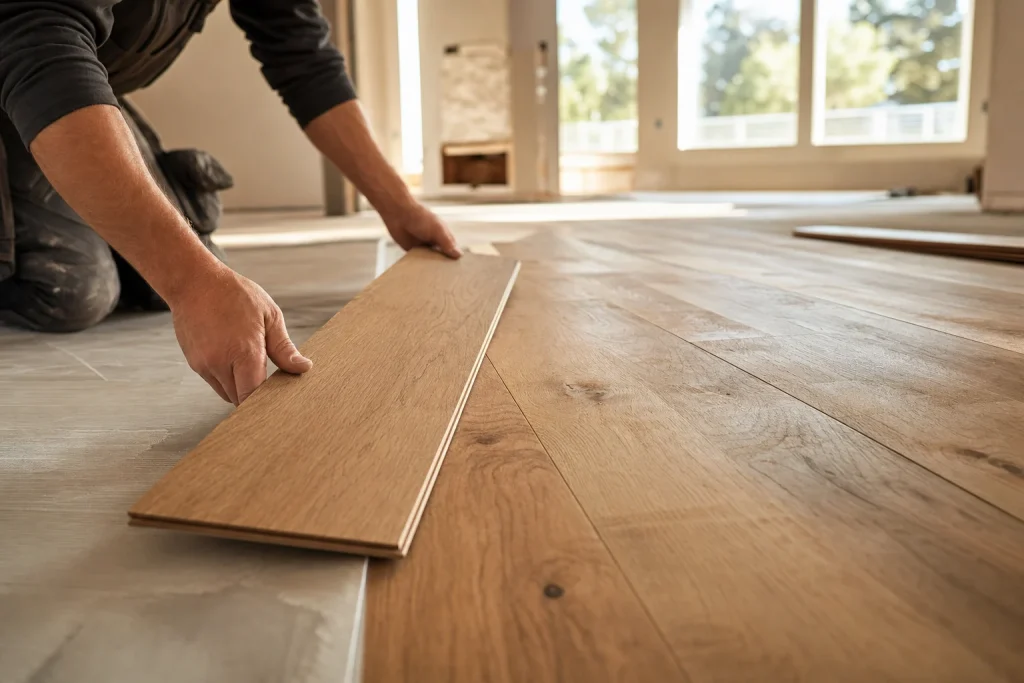
Hardwood flooring remains a perennial favorite in luxury homes, celebrated for its warmth, timeless appeal, and ability to enhance property value. Within the hardwood category, options range from solid planks to engineered constructions. Solid hardwood, typically 3/4 inch thick, can be refinished multiple times over its lifespan, offering decades of beauty. European oak, known for its wide planks and distinctive grain patterns, is a prime example, often finished with natural oils to highlight its character. Engineered hardwood, while also featuring a real wood veneer, is constructed with multiple layers of plywood or high-density fiberboard, providing enhanced stability and resistance to moisture fluctuations, making it suitable for areas where solid wood might be less ideal, such as basements or over radiant heating systems. The wear layer, the top veneer of real wood, is a critical factor in engineered hardwood’s durability and refinishing potential.
Beyond natural wood and stone, high-end porcelain and ceramic tiles have evolved significantly, now offering sophisticated aesthetics that mimic natural materials with remarkable fidelity. Large format porcelain tiles, for example, can replicate the look of marble, concrete, or even wood, but with superior resistance to scratches, stains, and moisture. This makes them an excellent choice for kitchens, bathrooms, and high-traffic areas where durability and ease of cleaning are paramount. Their versatility in design, coupled with their robust performance, positions them as a strong contender for modern luxury interiors. Furthermore, specialized options like reclaimed wood, which offers a unique history and character, or luxury vinyl tile (LVT) with advanced photographic imaging and robust wear layers, provide alternative solutions for specific design goals or practical needs, ensuring that every luxury home can find its perfect flooring match.
Integrating Flooring with Interior Design and Architecture
The selection of high-end flooring is not an isolated decision but an integral component of the broader interior design and architectural scheme of a luxury home. The flooring acts as a foundational element, influencing everything from furniture choices to wall colors and lighting. A cohesive design strategy ensures that the flooring complements the home’s architectural style, whether it’s a sleek contemporary residence, a classic Georgian estate, or a rustic farmhouse. For instance, in a modern minimalist home, large format, light-colored porcelain tiles or polished concrete can create an expansive, uncluttered feel, enhancing the sense of open space and allowing other design elements to stand out. Conversely, in a traditional home, rich, dark solid hardwood floors with intricate patterns or natural stone like slate can ground the space, adding warmth and a sense of history.
The interplay between flooring and other interior elements extends to the flow between different rooms. Thoughtful flooring transitions can define spaces without the need for physical barriers, or they can create a seamless continuum throughout an open-concept layout. For example, maintaining the same wide-plank European oak flooring from the living room into the dining area and kitchen can visually connect these spaces, fostering a sense of unity and spaciousness. When transitioning between different materials, such as from hardwood in a living area to natural stone in an entryway, careful consideration of thresholds and material compatibility is essential to ensure a smooth and aesthetically pleasing change. This attention to detail is a hallmark of luxury design, where every element contributes to a harmonious and sophisticated environment.
Furthermore, the texture and finish of the flooring significantly impact the overall sensory experience of a home. A highly polished marble floor reflects light, adding brilliance and a formal atmosphere, while a matte-finished, wire-brushed engineered wood floor offers a more subdued, tactile experience, contributing to a cozy and inviting ambiance. The choice of finish also has practical implications for maintenance and slip resistance, particularly in areas like bathrooms or kitchens. In luxury home building, the goal is to create spaces that are not only visually stunning but also comfortable and functional, reflecting the homeowner’s lifestyle and preferences. By carefully integrating flooring choices with the overarching design narrative, architects and interior designers can craft truly exceptional living environments that embody elegance and enduring quality.
The choice of flooring also profoundly impacts the acoustic properties of a home. Hard, reflective surfaces like polished stone or large format tiles can amplify sound, potentially creating an echoey environment, especially in open-plan layouts or homes with high ceilings. In such cases, incorporating area rugs or considering materials with inherent sound-absorbing qualities, such as cork underlayment beneath engineered wood, can significantly improve comfort. Conversely, softer materials like thick pile carpets, while less common in primary luxury living areas today, offer superior sound dampening, making them suitable for private spaces like bedrooms or home theaters where acoustic control is paramount. A well-designed luxury home considers not just the visual and tactile aspects of flooring but also its contribution to the overall sensory experience, ensuring a serene and comfortable living environment. According to a 2022 survey by the National Association of Home Builders, over 70% of luxury homeowners prioritize sound insulation and acoustic comfort in their material selections, highlighting the importance of this often-overlooked factor in high-end construction.
Furthermore, the long-term implications of flooring choices on a home’s resale value are a significant consideration for luxury homeowners. While personal preference plays a role, certain materials consistently command higher value and appeal to a broader range of discerning buyers. Natural stone, premium hardwoods, and high-quality engineered wood are generally perceived as superior investments, signaling quality and durability. For example, a home featuring wide-plank European oak flooring throughout its main living areas is likely to appraise higher than one with less durable or aesthetically dated alternatives. The timelessness of these materials means they are less susceptible to fleeting trends, ensuring that the home retains its appeal and value for decades. Our experience in luxury home remodeling shows that clients often view flooring as a foundational investment, similar to structural elements or high-end appliances, expecting it to contribute positively to the property’s market standing. This forward-thinking approach ensures that the initial investment in exquisite flooring yields substantial returns, both in terms of daily enjoyment and future financial benefit.
Maximizing Your Investment in Luxury Home Building Flooring
To truly maximize the investment in high-end flooring for a luxury home, a holistic approach is essential, encompassing not only the initial selection but also the installation process and ongoing care. The quality of installation is as critical as the quality of the material itself. Even the most exquisite marble or premium hardwood can underperform or look subpar if not installed by experienced professionals. This involves meticulous subfloor preparation, precise leveling, and expert handling of materials to prevent issues like gapping, warping, or uneven surfaces. For natural stone, this means careful templating and grout selection; for wood, it involves proper acclimation to the home’s environment and precise cutting and fitting. Engaging installers with a proven track record in luxury projects, who understand the nuances of high-end materials, is paramount. A 2023 report from the Flooring Contractors Association indicated that improper installation accounts for nearly 25% of all flooring complaints in luxury residential projects, underscoring the importance of professional expertise.
Beyond installation, establishing a consistent and appropriate maintenance regimen is vital for preserving the beauty and longevity of luxury flooring. Each material has specific care requirements that, when followed diligently, can extend its pristine condition for decades. For instance, natural stone floors benefit from regular sealing to protect against stains and moisture penetration, along with pH-neutral cleaners to avoid etching. Hardwood floors, whether solid or engineered, typically require gentle cleaning with specialized wood cleaners and protection from excessive moisture and direct sunlight. Understanding these nuances and integrating them into a routine prevents premature wear and costly repairs. Many luxury homeowners opt for professional cleaning and maintenance services for their high-end floors, ensuring that specialized care is applied consistently. This proactive approach safeguards the aesthetic appeal and structural integrity of the flooring, reinforcing its value as a long-term asset within the luxury home.
Considering the future adaptability and potential for renovation is another strategic element in maximizing a flooring investment. While luxury materials are chosen for their timelessness, design preferences can evolve. Selecting materials that offer flexibility for future updates, or those that can be refinished or restored, provides an added layer of value. Solid hardwood, for example, can be sanded and refinished multiple times, allowing for changes in stain color or finish to match evolving interior styles without requiring a complete replacement. Similarly, certain types of natural stone can be re-honed or re-polished to restore their original luster. This foresight ensures that the flooring remains a relevant and beautiful component of the home, even as other design elements may change over time. It transforms the flooring from a static choice into a dynamic element that can adapt and continue to contribute to the home’s enduring luxury and appeal.
Crafting Enduring Elegance Underfoot
The journey of selecting and integrating high-end flooring into a luxury home building project is a nuanced process that culminates in spaces of unparalleled beauty and functionality. By prioritizing durability, aesthetic harmony, and practical maintenance, homeowners can ensure their investment enhances their living experience for decades. The right flooring not only elevates the visual appeal but also contributes to the comfort, acoustics, and long-term value of the residence, making it a cornerstone of true luxury.
Bottom Line: Choosing high-end flooring for luxury homes requires a careful balance of durability, sophisticated aesthetics, and manageable maintenance to ensure longevity, enhance design, and preserve property value over time.
Frequently Asked Questions
What is the most durable high-end flooring for luxury homes?
The most durable high-end flooring options include natural stone like granite or quartzite, premium engineered hardwood with a thick wear layer, and large format porcelain tiles. These materials are renowned for their resistance to wear, impact, and environmental factors, ensuring decades of performance.
How does climate affect luxury flooring choices?
Climate significantly impacts luxury flooring choices, particularly in regions with humidity fluctuations like DFW. Engineered hardwood is often preferred over solid wood in such areas due to its enhanced stability and resistance to warping. Natural stone and porcelain tiles are generally less affected by humidity.
Is engineered hardwood considered a luxury flooring option?
Yes, premium engineered hardwood is a highly regarded luxury flooring option. It features a real wood veneer, often from species like European oak, combined with a stable core, offering superior durability, aesthetic appeal, and resistance to moisture compared to solid hardwood in certain applications.
What maintenance is required for natural stone luxury flooring?
Natural stone luxury flooring, such as marble or travertine, requires regular sealing to protect against stains and moisture. Daily cleaning should use pH-neutral cleaners to prevent etching, and immediate cleanup of spills is crucial. Professional cleaning and re-sealing are recommended periodically.