
Selecting high-performance building materials for luxury home building involves prioritizing longevity, energy efficiency, and aesthetic appeal, directly impacting a property's durability and long-term value. For homeowners like Mr.
- High-performance materials in luxury home building are characterized by their superior functional attributes, extending beyond basic code compliance to deliver enhanced durability, energy efficiency, and occupant comfort.
- When embarking on the selection of high-performance materials for a luxury home, several critical factors must be meticulously evaluated.
- In luxury home building, the aesthetic appeal of materials is just as important as their functional performance.
- To truly maximize the value and longevity of a luxury home, the integration of high-performance materials must be a holistic process, considered from the initial design phase through construction and beyond.
- High-performance materials offer enhanced durability against environmental factors, superior energy efficiency leading to lower utility costs, improved indoor air quality, and reduced long-term maintenance needs.
How to Select High-Performance Building Materials to Ensure Durability and Value in Luxury Homes
Selecting high-performance building materials for luxury home building involves prioritizing longevity, energy efficiency, and aesthetic appeal, directly impacting a property’s durability and long-term value. For homeowners like Mr. Henderson in Plano, who recently experienced unexpected maintenance issues with his previous home’s exterior, the key is to focus on materials proven to withstand local climate challenges and reduce lifecycle costs. This means opting for advanced insulation systems, robust roofing, high-quality window technologies, and durable exterior claddings that offer superior protection against the elements, minimize heat transfer, and require less frequent maintenance, thereby preserving the home’s structural integrity and enhancing its market desirability for decades.
What Defines High-Performance Materials in Luxury Home Building?
High-performance materials in luxury home building are characterized by their superior functional attributes, extending beyond basic code compliance to deliver enhanced durability, energy efficiency, and occupant comfort. These materials are engineered to excel in specific areas such as thermal resistance, moisture management, structural integrity, and aesthetic longevity. For instance, advanced insulation products like closed-cell spray foam or rigid insulation boards offer significantly higher R-values per inch compared to traditional fiberglass, reducing heating and cooling loads by up to 30% in a typical DFW home, according to industry norms as of 2024. This translates into substantial energy savings and a more stable indoor environment, crucial for maintaining the pristine condition of high-end interiors and sensitive art collections often found in luxury residences. The selection process involves a deep understanding of material science and an assessment of how each component contributes to the overall performance envelope of the structure.
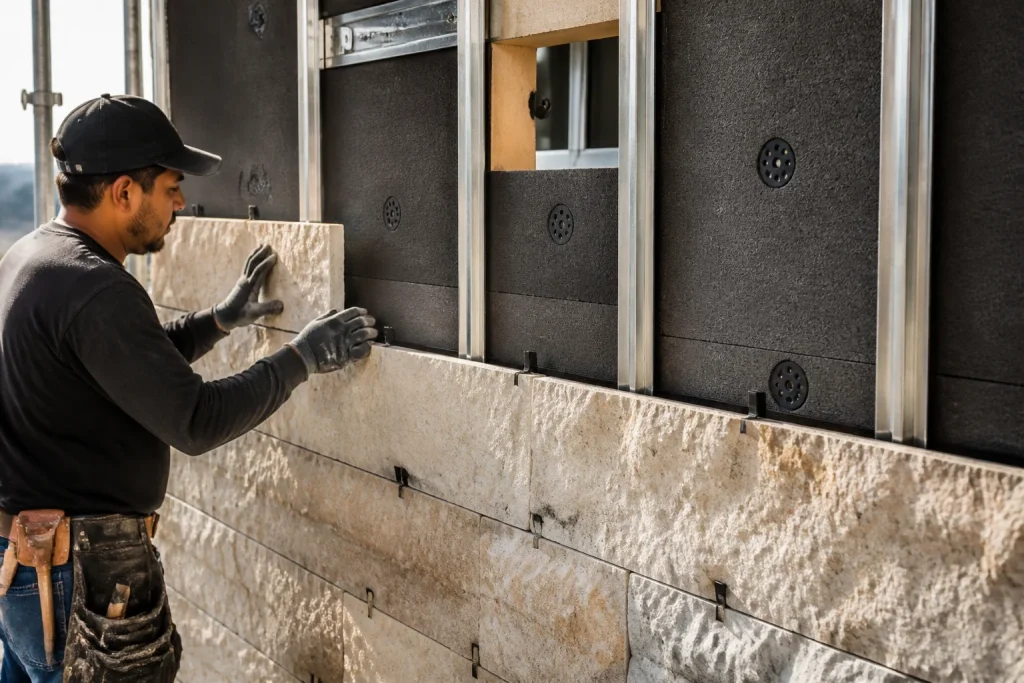
Beyond energy performance, the definition extends to materials that resist degradation from environmental factors, such as UV radiation, extreme temperatures, and moisture intrusion. Consider exterior cladding options like fiber cement siding from brands such as James Hardie or natural stone veneers. These materials are chosen not just for their visual appeal but for their inherent resistance to rot, pests, and fire, often coming with warranties exceeding 30 years. In contrast, lower-grade materials might show signs of wear, fading, or structural compromise within a decade, necessitating costly repairs or replacements. A luxury home, by its very nature, demands components that minimize future maintenance burdens and preserve its aesthetic integrity over time, reflecting a commitment to enduring quality and craftsmanship. This foresight in material selection is a hallmark of sophisticated luxury home building, ensuring that the initial investment yields sustained value and peace of mind for the homeowner.
Furthermore, high-performance materials contribute significantly to the indoor air quality and overall health of the occupants. Products with low volatile organic compound (VOC) emissions, such as certain paints, sealants, and flooring adhesives, are increasingly specified to create healthier living environments. For example, selecting formaldehyde-free cabinetry or natural wood flooring finished with non-toxic sealants can drastically reduce indoor air pollutants. This focus on occupant well-being aligns with the broader trend in luxury construction towards holistic design that considers not just the visible aesthetics but also the unseen aspects of comfort and health. The integration of smart home technologies, often requiring robust wiring and infrastructure, also falls under the umbrella of high-performance, ensuring seamless operation and future adaptability. Ultimately, these materials are chosen for their ability to deliver a superior living experience, combining cutting-edge technology with timeless elegance and unwavering reliability.
Key Considerations for Material Selection
When embarking on the selection of high-performance materials for a luxury home, several critical factors must be meticulously evaluated. Beyond the inherent qualities of the materials themselves, their suitability for the specific project, local environmental conditions, and long-term performance expectations are paramount. A comprehensive assessment includes understanding the climate zone, potential for natural hazards, and the desired architectural style, all of which influence material choices from the foundation to the roof.
For instance, homes situated in coastal regions face unique challenges such as salt spray corrosion and high humidity, necessitating materials with exceptional resistance to these elements. Stainless steel fasteners, marine-grade sealants, and corrosion-resistant cladding systems become essential, whereas they might be overkill in an arid inland climate. Similarly, areas prone to seismic activity or high winds require structural components and connection systems engineered to withstand extreme forces, often involving reinforced concrete, advanced framing techniques, and impact-resistant windows. The initial investment in these specialized materials is justified by the enhanced safety, structural integrity, and reduced risk of damage over the home’s lifespan.
Evaluating Climate and Environmental Factors
The local climate plays a pivotal role in determining the most effective high-performance materials. In regions with significant temperature swings, such as the Midwest, materials with excellent thermal mass and low thermal conductivity are crucial for maintaining stable indoor temperatures and minimizing energy consumption. This could involve specifying insulated concrete forms (ICFs) for walls or using advanced glazing technologies with low-emissivity coatings to manage solar heat gain and loss effectively. For a typical 3,000-square-foot luxury home in a climate with hot summers and cold winters, optimizing insulation and window performance can lead to annual energy savings of 20-40% compared to standard construction, according to analyses by the Department of Energy.
Moisture management is another critical environmental consideration. In humid climates or areas with heavy rainfall, selecting materials that resist water penetration and allow for effective drainage is non-negotiable. This includes specifying robust waterproofing membranes, rainscreen cladding systems, and durable roofing materials like slate, metal, or high-performance asphalt shingles that can shed water efficiently and prevent moisture intrusion. Proper flashing details around windows, doors, and roof penetrations are equally important, as these are common points of failure if not executed with precision and high-quality materials. The goal is to create a building envelope that acts as an impenetrable barrier against water, protecting the interior finishes and structural components from mold, rot, and degradation.
Assessing Lifecycle Costs and Return on Investment
While the initial cost of high-performance materials can sometimes be higher than conventional options, it is crucial to evaluate their lifecycle costs and the long-term return on investment. Lifecycle costing considers not only the purchase price but also installation, maintenance, energy consumption, and eventual replacement costs over the home’s expected lifespan. Materials that require less frequent maintenance, offer superior energy efficiency, and boast extended warranties often prove to be more economical in the long run, despite a higher upfront expenditure.
For example, a premium roofing material like natural slate or copper, while significantly more expensive initially than asphalt shingles, can last 75-100 years or more with minimal maintenance, whereas asphalt shingles typically require replacement every 20-30 years. Over a century, the slate roof might only need one installation, while the asphalt roof would require three to five replacements, each incurring material and labor costs. This long-term perspective highlights how high-performance materials contribute to sustained value and reduced ownership costs, aligning perfectly with the expectations of luxury homeowners who seek enduring quality and minimal future burdens.
Integrating Aesthetics with Performance
In luxury home building, the aesthetic appeal of materials is just as important as their functional performance. High-performance materials are increasingly available in a wide array of finishes, textures, and colors, allowing architects and designers to achieve sophisticated visual outcomes without compromising on durability or efficiency. The challenge lies in selecting materials that not only meet stringent performance criteria but also complement the architectural vision and interior design scheme, creating a cohesive and visually stunning residence.
This integration often involves a careful balance between natural and engineered materials. For instance, while natural stone offers unparalleled beauty and durability for exterior cladding, its thermal performance can be enhanced by pairing it with advanced insulation systems. Similarly, large expanses of glass, desirable for their views and natural light, can be specified with high-performance glazing units that minimize heat transfer and UV exposure, ensuring comfort and protecting interior furnishings from fading. The synergy between aesthetics and performance is a hallmark of truly exceptional luxury homes, where every material choice contributes to both the beauty and the longevity of the structure.
The selection of materials also extends to the interior, where elements like flooring, cabinetry, and wall finishes contribute to both the home’s aesthetic and its performance. For instance, engineered hardwood flooring, while offering the timeless appeal of natural wood, often provides greater stability and resistance to moisture fluctuations than solid hardwood, making it a high-performance choice for diverse climates. Similarly, low-VOC paints and finishes not only enhance indoor air quality but also maintain their color and integrity longer, resisting fading and chipping, which preserves the luxurious feel of the interiors for years. This meticulous attention to detail, ensuring that every material serves a dual purpose of beauty and resilience, is what truly defines a high-performance luxury home. It’s a testament to thoughtful design and engineering, where the visible elegance is underpinned by unseen strength and efficiency, providing lasting satisfaction and value for the discerning homeowner.
Maximizing Value and Longevity in Luxury Home Building
To truly maximize the value and longevity of a luxury home, the integration of high-performance materials must be a holistic process, considered from the initial design phase through construction and beyond. This involves a collaborative effort between architects, builders, and material suppliers to ensure that each component works synergistically within the overall building system. For example, a robust roofing system, such as standing seam metal or clay tiles, offers superior protection against severe weather events common in many regions, often carrying warranties of 50 years or more. When combined with advanced attic insulation and proper ventilation, it not only extends the roof’s lifespan but also significantly reduces the home’s cooling load during hot summer months, leading to substantial energy savings. This integrated approach ensures that the home is not just a collection of expensive parts, but a finely tuned machine designed for enduring performance and comfort.
Furthermore, the long-term value of a luxury home is significantly influenced by its adaptability and resilience to future changes, both environmental and technological. High-performance materials contribute to this by providing a stable and robust foundation for potential upgrades or modifications. Consider the increasing demand for smart home technologies and electric vehicle charging stations. Homes built with ample conduit pathways, robust electrical panels, and structurally sound walls can more easily accommodate these advancements without costly retrofits. A study by the National Association of Home Builders in 2023 indicated that homes incorporating advanced energy-efficient features and smart technology infrastructure commanded a premium of 5-10% in the resale market, underscoring the financial benefits of forward-thinking material selection. This foresight ensures that the luxury home remains relevant and desirable for future generations, protecting the initial investment and enhancing its market appeal.
The commitment to high-performance materials also translates into a reduced environmental footprint, a growing concern for many luxury homeowners. Opting for sustainably sourced wood, recycled content in building products, or materials with low embodied energy contributes to a greener build without sacrificing quality or aesthetics. For instance, using locally sourced natural stone not only reduces transportation emissions but also supports regional economies and often provides a unique, authentic aesthetic. Similarly, advanced water management systems, including permeable paving and rainwater harvesting, integrate seamlessly with high-performance building envelopes to conserve resources and mitigate stormwater runoff. This alignment with environmental stewardship adds another layer of value, appealing to a demographic that increasingly prioritizes sustainability alongside luxury and durability.
Investing in Enduring Quality for Your Luxury Home
Investing in high-performance materials for your luxury home is a strategic decision that pays dividends in durability, energy efficiency, and sustained value. It moves beyond mere aesthetics to embrace a philosophy of enduring quality and thoughtful construction. When planning your project, prioritize materials that offer proven longevity, superior protection against environmental stressors, and contribute to a healthier indoor environment. Engage with experienced architects and builders who specialize in high-performance construction and can guide you through the myriad of options, ensuring that every choice aligns with your vision for a resilient, efficient, and truly luxurious residence. This proactive approach minimizes future maintenance burdens and safeguards your investment for decades to come.
Bottom Line: Selecting high-performance building materials for luxury home building is paramount for ensuring long-term durability, superior energy efficiency, and sustained property value, achieved through a holistic approach to material science, climate considerations, and lifecycle cost analysis.
Frequently Asked Questions
What are the primary benefits of high-performance materials in luxury homes?
High-performance materials offer enhanced durability against environmental factors, superior energy efficiency leading to lower utility costs, improved indoor air quality, and reduced long-term maintenance needs. These benefits collectively contribute to a higher resale value and a more comfortable living experience.
How do climate conditions influence material selection for luxury homes?
Climate conditions dictate material choices by requiring specific resistances, such as corrosion resistance in coastal areas, high thermal mass in regions with extreme temperature swings, or superior moisture management in humid environments. Materials are selected to withstand local challenges and optimize performance.
Is the initial cost of high-performance materials justified?
While often higher upfront, the initial cost of high-performance materials is justified by lower lifecycle costs, including reduced energy consumption and less frequent maintenance or replacement. This results in significant long-term savings and a greater return on investment over the home’s lifespan.
Can high-performance materials also be aesthetically pleasing?
Yes, high-performance materials are increasingly available in a wide range of aesthetic options, allowing for sophisticated designs without compromising functionality. Modern manufacturing techniques ensure that durability and efficiency can be seamlessly integrated with luxurious finishes and architectural styles.