
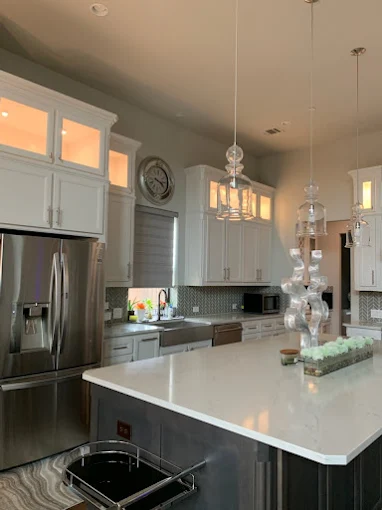
Choosing between modern and traditional luxury home architecture hinges on your personal aesthetic, daily routines, and long-term vision for your living space. Modern luxury homes, characterized by clean lines, open floor plans, large windows, and minimalist aesthetics, often prioritize functionality, natural light, and integration with…
TL;DR
- Modern luxury home architecture is fundamentally defined by its commitment to simplicity, functionality, and a strong connection to nature.
- The choice between modern and traditional luxury home architecture ultimately comes down to a homeowner’s priorities and aesthetic preferences.
- Modern luxury homes often integrate advanced energy-efficient features like passive solar design, superior insulation, and smart home systems.
Modern vs. Traditional Luxury Home Architecture: Which Style Best Suits Your Lifestyle?
Choosing between modern and traditional luxury home architecture hinges on your personal aesthetic, daily routines, and long-term vision for your living space. Modern luxury homes, characterized by clean lines, open floor plans, large windows, and minimalist aesthetics, often prioritize functionality, natural light, and integration with the surrounding landscape. In contrast, traditional luxury home building emphasizes classic design principles, intricate detailing, symmetrical layouts, and rich materials, drawing inspiration from historical architectural styles like Colonial, Victorian, or Mediterranean. For a Plano homeowner considering a significant renovation or a custom build, understanding these fundamental differences is crucial for creating a home that truly reflects their lifestyle and provides lasting satisfaction. Both styles offer distinct advantages, from energy efficiency in modern designs to timeless elegance in traditional ones, making the decision a balance of contemporary desires and enduring appeal.
What Defines Modern Luxury Home Architecture? luxury home building
Modern luxury home architecture is fundamentally defined by its commitment to simplicity, functionality, and a strong connection to nature. This style emerged from the early 20th-century modernist movement, rejecting ornate historical embellishments in favor of clean, unadorned forms. Key characteristics include expansive glass walls, often floor-to-ceiling, that blur the lines between indoor and outdoor living spaces, maximizing natural light and offering panoramic views. Materials like steel, concrete, glass, and natural wood are frequently exposed, celebrating their inherent textures and structural integrity. Open-concept layouts are paramount, fostering a sense of spaciousness and fluidity between living, dining, and kitchen areas, which is particularly appealing for contemporary family life and entertaining. For instance, a luxury home building project in DFW might feature a cantilevered roofline and a minimalist facade, creating a striking visual statement that prioritizes sleekness over ornamentation. This approach often incorporates smart home technology seamlessly, integrating automation for lighting, climate control, and security without disrupting the clean aesthetic.
The emphasis on functionality in modern luxury homes extends to their spatial organization and material choices. Designers often prioritize efficient use of space, creating multi-functional areas and incorporating built-in storage solutions that maintain the uncluttered look. Sustainable design principles are also frequently integrated, with features like passive solar heating, rainwater harvesting systems, and energy-efficient windows becoming standard. For example, a modern luxury residence might utilize a geothermal heating and cooling system, significantly reducing its environmental footprint and operational costs, a growing concern for many homeowners as of 2024. The color palette typically leans towards neutrals—whites, grays, and earth tones—allowing the architecture itself, the natural light, and carefully selected furnishings to provide visual interest. This minimalist approach creates a serene and sophisticated environment, often perceived as a blank canvas for the homeowner’s personal style, allowing art and furniture to stand out without competing with excessive architectural detail.
Furthermore, modern luxury architecture often embraces innovative construction techniques and materials to achieve its distinctive aesthetic. Large-format porcelain tiles, polished concrete floors, and custom metalwork are common, chosen for their durability, low maintenance, and sleek appearance. The integration of outdoor living spaces is also a hallmark, with features like infinity pools, expansive patios, and meticulously landscaped gardens designed as extensions of the interior. Consider a luxury home building project in a suburban setting where a modern design might incorporate a private courtyard with a fire pit, accessible directly from the main living area through sliding glass doors, providing a secluded oasis. This seamless transition between indoor and outdoor environments enhances the overall living experience, offering diverse spaces for relaxation and entertainment. The deliberate absence of traditional ornamentation means that every element, from the window frames to the door handles, must be carefully considered for its contribution to the overall minimalist and refined aesthetic, demanding precision and high-quality craftsmanship in every detail.
What Defines Traditional Luxury Home Architecture?
Traditional luxury home architecture stands in stark contrast to its modern counterpart, rooted deeply in historical precedents and a celebration of enduring craftsmanship. This style draws heavily from established architectural periods, such as Georgian, Tudor, Mediterranean, or French Country, each bringing its own distinct set of characteristics. Common features include pitched roofs, often with dormer windows, intricate brickwork or stone facades, and meticulously crafted trim and molding. Unlike the open layouts of modern homes, traditional designs frequently feature more defined rooms, offering a sense of intimacy and distinct purpose for each space. For example, a luxury home in Highland Park might showcase a symmetrical facade with a grand central entrance, flanked by balanced window arrangements and classical columns, evoking a sense of timeless grandeur.
The emphasis on detail and ornamentation is a hallmark of traditional luxury homes. This can be seen in everything from custom millwork, wainscoting, and crown molding indoors to decorative gables, cupolas, and elaborate landscaping outdoors. Materials are often chosen for their classic appeal and longevity, such as natural stone, rich hardwoods, copper accents, and slate roofing. These elements contribute to a sense of permanence and heritage. Consider a traditional luxury residence in Preston Hollow, where a formal dining room might feature coffered ceilings, a large crystal chandelier, and custom built-in cabinetry, creating an elegant setting for formal gatherings. The color palettes tend to be richer and more varied than modern homes, often incorporating deeper hues and intricate patterns in wallpapers, fabrics, and finishes, contributing to a warm and inviting atmosphere.
Furthermore, traditional luxury architecture often incorporates elements that speak to a sense of history and established elegance. Features like grand staircases, multiple fireplaces, and dedicated libraries or studies are common, reflecting a lifestyle that values comfort, tradition, and intellectual pursuits. Outdoor spaces are typically designed as formal gardens, often with manicured lawns, fountains, and structured pathways that complement the home’s architectural style. A traditional luxury home building project might include a porte-cochère for a grand arrival, or a meticulously designed conservatory, offering a bright, plant-filled retreat. The careful selection of every fixture, from door handles to light fixtures, is crucial in maintaining the authentic period feel, requiring a deep understanding of historical design principles and a commitment to high-quality, often handcrafted, materials. This meticulous attention to detail ensures that the home not only looks luxurious but also feels deeply rooted in a rich architectural legacy.
The choice between modern and traditional luxury home architecture ultimately comes down to a homeowner’s priorities and aesthetic preferences. Modern designs appeal to those who value sleekness, technological integration, and a seamless connection with nature, often seeking a minimalist backdrop for their lives. These homes are frequently chosen by individuals or families who appreciate cutting-edge design and sustainable living, with a focus on energy efficiency and innovative materials. For instance, a homeowner in Frisco might opt for a modern design to incorporate smart home systems and expansive glass walls that overlook a meticulously designed xeriscape garden, reflecting a desire for both convenience and environmental consciousness. The clean lines and open spaces also lend themselves well to displaying contemporary art collections, allowing each piece to command attention without visual clutter.
Conversely, traditional luxury homes resonate with those who cherish history, intricate craftsmanship, and a sense of established elegance. These homeowners often seek a living space that feels enduring, rich in detail, and reflective of classic architectural heritage. They might prioritize formal entertaining areas, cozy nooks, and the warmth of natural wood and stone. A family considering a luxury home building project in Southlake, for example, might choose a traditional style to create a stately residence with a grand foyer, multiple fireplaces, and a dedicated library, envisioning a home that will be passed down through generations. The defined rooms and classic aesthetics provide a sense of order and comfort, often appealing to those who appreciate a more structured and ornate environment. The decision between these two distinct styles is not merely about aesthetics but about aligning the home’s design with one’s daily rituals, social life, and long-term vision for comfort and beauty.
Crafting Your Vision: A Path to Architectural Harmony
Deciding between modern and traditional luxury home architecture is a significant step in creating your ideal living space. Begin by reflecting on your daily routines and how you envision using each area of your home. Do you prefer large, flowing spaces for frequent entertaining, or do you value distinct, intimate rooms for different activities? Consider your personal style: are you drawn to minimalist aesthetics and cutting-edge technology, or do you find comfort in classic details and historical charm? Gathering inspiration from architectural magazines, online galleries, and local luxury home tours can help clarify your preferences. For example, visiting a modern home in Dallas might highlight your appreciation for natural light and open concepts, while touring a traditional estate could reveal a fondness for intricate millwork and formal gardens. Documenting these preferences will be invaluable when you begin discussions with architects and builders.
Engaging with experienced professionals is the next crucial step in translating your vision into reality. An architect specializing in luxury home building can help you explore how either modern or traditional elements can be adapted to suit your specific needs and the unique characteristics of your property. They can provide insights into material choices, structural considerations, and how different styles impact energy efficiency and long-term maintenance. For instance, a modern design might offer superior insulation and smart home integration, potentially reducing utility costs by up to 20% annually as of 2024, while a traditional home might require more specialized upkeep for its intricate details. Discussing your budget early and openly with your design and build team is also essential, as both styles can vary widely in cost depending on the complexity of design, material selections, and desired finishes. A collaborative approach ensures that the final design not only meets your aesthetic desires but also functions perfectly for your lifestyle.
Bottom Line: Choosing between modern and traditional luxury home architecture hinges on personal aesthetic, lifestyle needs, and long-term vision, with modern designs prioritizing simplicity and functionality, and traditional styles emphasizing classic elegance and intricate detail.
Frequently Asked Questions
Do modern luxury homes offer better energy efficiency?
Modern luxury homes often integrate advanced energy-efficient features like passive solar design, superior insulation, and smart home systems. These elements can significantly reduce energy consumption compared to older traditional homes, though new traditional builds can also incorporate modern efficiency technologies.
What are the typical material differences between the two styles?
Modern luxury homes frequently feature exposed steel, concrete, large glass panels, and natural wood. Traditional luxury homes, conversely, often utilize natural stone, brick, rich hardwoods, copper, and slate, emphasizing classic appeal and intricate detailing.
Which style is better for resale value?
Both modern and traditional luxury homes can hold strong resale value, depending on location, quality of construction, and current market trends. Well-executed designs in either style, tailored to a desirable neighborhood, tend to perform well.
Can modern and traditional styles be combined?
Yes, a “transitional” style blends elements from both modern and traditional architecture. This approach allows for clean lines and open spaces while incorporating classic details or materials, offering a unique and personalized aesthetic.