
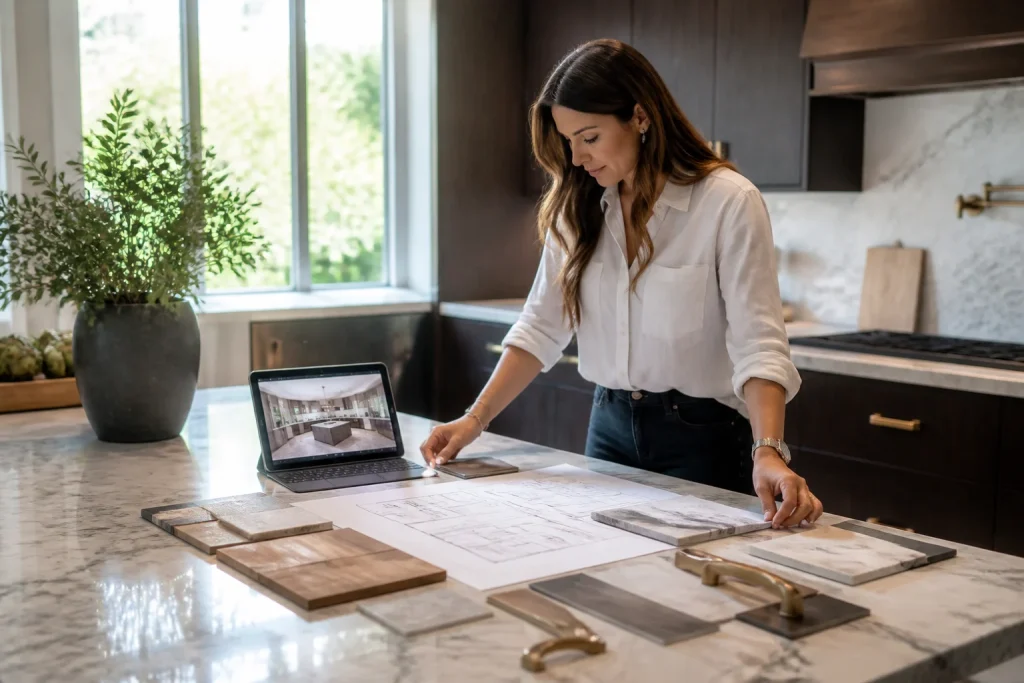
Planning a luxury home remodeling project requires a strategic approach that balances aesthetic aspirations with a keen eye on return on investment (ROI). To effectively plan, homeowners should begin by defining clear objectives, establishing a realistic budget that includes a contingency fund (typically 10-15% of…
- The planning process for a luxury home remodel is multifaceted, typically unfolding in several distinct phases, each critical to the project's success.
- The selection of materials and the degree of customization are hallmarks of a luxury home remodel, significantly influencing both the aesthetic outcome and the project's overall value.
- Achieving a successful luxury home remodel hinges on meticulous execution and continuous oversight, transforming the detailed plans into a tangible reality.
- Luxury kitchen remodels often yield an average ROI of 60-75% upon resale.
How to Plan a Luxury Home Remodel: A Comprehensive Guide to Maximizing ROI and Aesthetic Appeal
Planning a luxury home remodeling project requires a strategic approach that balances aesthetic aspirations with a keen eye on return on investment (ROI). To effectively plan, homeowners should begin by defining clear objectives, establishing a realistic budget that includes a contingency fund (typically 10-15% of the total), and assembling a qualified team of professionals, including an architect, interior designer, and a reputable general contractor specializing in high-end renovations. This foundational planning ensures that design choices, material selections, and project timelines align with both personal preferences and long-term property value, ultimately delivering a sophisticated and functional living space. For instance, a recent industry survey from 2024 indicated that homes with well-executed luxury kitchen and bathroom remodels often see an average ROI of 60-75% upon resale, underscoring the importance of thoughtful upfront planning.
What Are the Key Phases of Luxury Home Remodeling Planning?
The planning process for a luxury home remodel is multifaceted, typically unfolding in several distinct phases, each critical to the project’s success. Initially, homeowners must engage in a comprehensive visioning stage, where they articulate their desires, lifestyle needs, and aesthetic preferences. This involves gathering inspiration from design magazines, architectural portfolios, and even travel experiences. For example, a client might envision a spa-like master bathroom inspired by a boutique hotel they visited, or a gourmet kitchen designed for entertaining large gatherings. This early conceptualization helps translate abstract ideas into concrete goals, forming the bedrock for subsequent design and execution. According to a 2023 report on luxury real estate trends, homeowners increasingly prioritize personalized, highly functional spaces that reflect their unique tastes, making this initial visioning phase more crucial than ever.
Following the visioning, the next crucial phase involves assembling the right professional team. For a luxury project, this typically includes an experienced architect, a skilled interior designer, and a general contractor with a proven track record in high-end renovations, such as NovaStar Construction. Each professional brings specialized expertise: the architect translates the vision into structural plans, the interior designer refines aesthetic details and material selections, and the contractor manages the execution. This collaborative approach ensures seamless communication and coordination, mitigating potential issues before they arise. A well-integrated team can navigate complex permitting processes, source premium materials, and manage intricate timelines, which is particularly vital for projects in areas like Plano, TX, where specific building codes and aesthetic standards often apply. Industry best practices suggest that engaging all key team members early in the design phase can reduce change orders by up to 20%, saving both time and budget.
The final planning phase focuses on detailed design development, material selection, and comprehensive budgeting. This is where the initial concepts are refined into precise drawings, specifications, and a detailed scope of work. Homeowners will work closely with their design team to select high-quality finishes, fixtures, and custom elements—from bespoke cabinetry to advanced smart home technologies. For example, choosing between Carrara marble and Calacatta gold for countertops, or integrating a professional-grade Sub-Zero refrigerator, involves both aesthetic and practical considerations. A robust budget, including a contingency, is finalized during this stage, reflecting all chosen elements and labor costs. This meticulous attention to detail during planning is what differentiates a standard renovation from a truly luxurious transformation, ensuring that every aspect of the project is thoughtfully considered and financially accounted for before construction commences. Data from the National Association of Home Builders indicates that detailed planning can prevent cost overruns by an average of 15% on large-scale projects.
Navigating Material Selection and Customization in Luxury Remodels
The selection of materials and the degree of customization are hallmarks of a luxury home remodel, significantly influencing both the aesthetic outcome and the project’s overall value. This phase moves beyond basic choices, delving into the nuances of premium finishes, bespoke elements, and advanced technological integrations. Homeowners, guided by their design team, will explore options that offer superior durability, unique visual appeal, and enhanced functionality, ensuring every surface and fixture contributes to a cohesive, high-end environment.
Consider, for instance, the choice of flooring. While standard renovations might opt for engineered wood or ceramic tile, a luxury remodel often features wide-plank European oak, exotic hardwoods like Brazilian cherry, or large-format natural stone slabs such as travertine or marble. These selections are not merely about appearance; they involve understanding the material’s provenance, its maintenance requirements, and its long-term resilience. Similarly, kitchen countertops might extend beyond common granite to include rare quartzite, custom-fabricated stainless steel, or even specialized glass, each chosen for its specific properties and the unique statement it makes within the space.
Integrating Smart Home Technology and Sustainable Solutions
Modern luxury remodels increasingly incorporate sophisticated smart home technologies and sustainable design elements, enhancing convenience, efficiency, and environmental responsibility. Integrating these features requires careful planning during the design phase to ensure seamless operation and aesthetic integration. From automated lighting and climate control systems to advanced security and entertainment setups, smart home technology transforms a living space into an intuitive, responsive environment.
For example, a comprehensive smart home system might include voice-activated controls for blinds, lighting, and audio, or a centralized panel that manages energy consumption across various appliances. Beyond convenience, these systems can contribute to significant energy savings, aligning with sustainable living principles. Furthermore, the selection of materials often extends to eco-friendly options, such as reclaimed wood, low-VOC paints, and energy-efficient windows, which not only reduce environmental impact but can also improve indoor air quality and reduce utility costs over time. A typical luxury remodel in a warm climate, for instance, might prioritize high-performance, insulated windows and a smart HVAC system to minimize cooling loads, reflecting both a commitment to sustainability and a desire for optimal comfort.
The integration of these advanced systems and sustainable choices is not merely about luxury; it’s about creating a future-proof home that offers unparalleled comfort, efficiency, and a reduced environmental footprint. According to a 2024 report by the National Association of Realtors, properties featuring integrated smart home technology and sustainable upgrades command a premium of 5-10% on average in the resale market, highlighting their tangible value. This trend underscores a shift in luxury remodeling towards thoughtful, long-term investments that align with contemporary values of wellness and ecological responsibility. Homeowners are increasingly seeking spaces that not only look exquisite but also perform optimally, providing a sanctuary that is both technologically advanced and environmentally conscious.
Ensuring Project Success and Maximizing Value in Luxury Home Remodeling
Achieving a successful luxury home remodel hinges on meticulous execution and continuous oversight, transforming the detailed plans into a tangible reality. This phase requires a strong partnership between the homeowner and the project team, ensuring that every decision aligns with the initial vision and budget. Effective communication channels are paramount, allowing for swift resolution of any unforeseen challenges that may arise during construction. For instance, weekly site meetings with the general contractor and design team can address progress, upcoming decisions, and potential adjustments, keeping the project on track and within financial parameters. A recent study published in the Journal of Construction Engineering and Management (2023) found that projects with high levels of client engagement and transparent communication experienced 15% fewer delays and 10% lower cost overruns compared to those with limited interaction.
Beyond the construction itself, maximizing the long-term value of a luxury remodel involves strategic choices that enhance both functionality and aesthetic appeal for years to come. This includes selecting timeless designs that transcend fleeting trends, ensuring that the investment remains relevant and desirable. For example, opting for classic architectural elements, neutral color palettes with opportunities for accent through decor, and durable, high-quality materials ensures longevity. Furthermore, considering future lifestyle changes, such as aging-in-place features or adaptable spaces, can significantly extend the home’s utility and appeal. As one veteran interior designer puts it, “True luxury isn’t just about what’s new; it’s about what endures, offering comfort and beauty that stands the test of time.” This forward-thinking approach safeguards the substantial investment made in a high-end renovation, ensuring it continues to deliver both personal enjoyment and strong market value.
Finally, the successful completion of a luxury home remodel culminates in a detailed walkthrough and final inspection, ensuring every aspect meets the highest standards of craftsmanship and the homeowner’s expectations. This critical step involves identifying any minor imperfections or adjustments needed before final payment and project closeout. A comprehensive punch list is typically created, addressing items ranging from paint touch-ups to the calibration of smart home systems. Post-completion, homeowners should receive all relevant warranties, operational manuals for new appliances and systems, and a maintenance guide to preserve the pristine condition of their newly transformed space. This meticulous handover process guarantees that the homeowner can fully enjoy their sophisticated living environment, confident in the quality and longevity of their luxury investment. Industry best practices suggest that a thorough final inspection and clear documentation can prevent up to 25% of post-completion issues, ensuring a smooth transition into the newly renovated home.
Crafting Your Vision into a Lasting Legacy
Embarking on a luxury home remodel is a journey that transforms not just a house, but a lifestyle. It’s an opportunity to infuse your personal narrative into every corner, creating spaces that resonate with your deepest desires for comfort, beauty, and functionality. As you consider your own project, reflect on what truly defines luxury for you—is it the serene spa bathroom, the chef’s dream kitchen, or the seamless integration of technology that simplifies daily living? Envision how these elements will enhance your everyday experience and contribute to the long-term enjoyment and value of your property. The meticulous planning, expert collaboration, and thoughtful material selections discussed are all steps towards realizing a home that is uniquely yours, a testament to discerning taste and a wise investment in your future.
Bottom Line: Planning a luxury home remodel requires defining clear objectives, assembling a qualified team, and meticulous attention to design, material selection, and budgeting to maximize both aesthetic appeal and return on investment.
Frequently Asked Questions
What is the typical ROI for a luxury kitchen remodel?
Luxury kitchen remodels often yield an average ROI of 60-75% upon resale. This return is achieved through thoughtful design, high-quality material selections, and professional execution that aligns with current market demands and homeowner preferences.
How important is a contingency fund in luxury remodeling?
A contingency fund, typically 10-15% of the total budget, is crucial for luxury remodels. It covers unforeseen issues, material price fluctuations, or desired changes during construction, preventing project delays and cost overruns.
What professionals are essential for a high-end renovation?
An experienced architect, a skilled interior designer, and a reputable general contractor specializing in luxury renovations are essential. This team ensures structural integrity, aesthetic coherence, and efficient project management from concept to completion.
How do smart home technologies impact luxury remodels?
Smart home technologies enhance convenience, efficiency, and property value in luxury remodels. They offer automated controls for lighting, climate, security, and entertainment, contributing to a modern, responsive, and often more energy-efficient living environment.